The deaths of 147 farmers due to debt have once again put India’s agrarian crisis in the spotlight. Each loss is a tragic loss of a family, a shattered dream, a painful reality for the people who feed our nation.
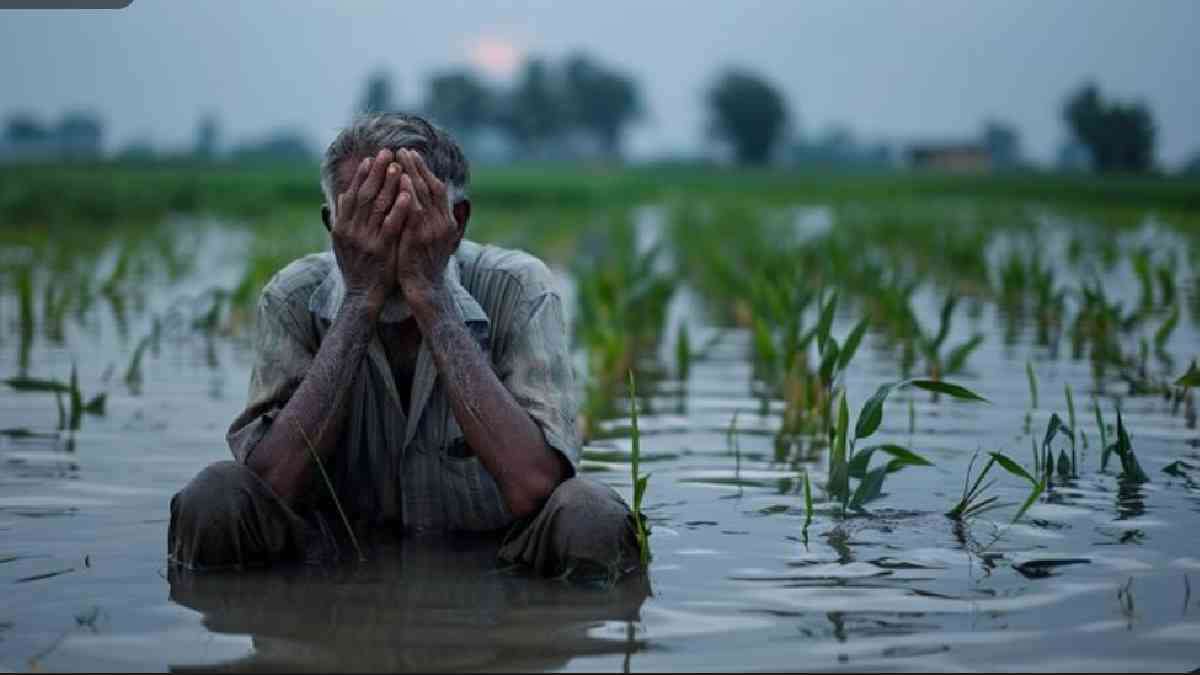
For decades, farmers have been at the heart of the country’s economy and the source of food security. But farmers continue to struggle with mounting debt, uncertain incomes, and the unpredictable nature of agriculture. The recent figures have reignited the debate over whether enough is being done to tackle the structural problems affecting the farming community.
More Than Just Numbers
Every farmer’s death leaves behind a family that has to deal with emotional trauma and financial strain. Widows, children, and elderly parents also face uncertainty as to what will happen when they lose their main source of income.
But agricultural experts note that tragedies like this are rarely caused by a single factor. They are a product of economic, climatic, and social problems that accumulate over time.
Several Factors Behind the Crisis
Farmers in several regions still face a wide array of problems, such as:
- Unpredictable weather, droughts, floods, and crop failures.
- Rising costs of seeds, fertilizers, pesticides, and irrigation.
- Heavy dependence on borrowed money for cultivation.
- Fluctuating market prices for agricultural produce.
- Slow compensation for crop loss.
- Financial stress caused by outstanding institutional and non-institutional loans.
When harvests fail or market prices fall below expectations, many farmers cannot pay back debts and end up in severe financial distress.
Need for Comprehensive Reforms
Experts in agriculture and farmer organisations have repeatedly stressed that tackling the crisis needs to be a long-term policy change and not temporary relief measures.
Among the key areas that are frequently highlighted are:
- Providing fair prices for farmers’ produce.
- Establishing affordable institutional credit.
- Strengthening crop insurance.
- Developing irrigation infrastructure and water management.
- Compensation for crop losses promptly.
- Expanding access to agricultural technology and market information.
- Incentivizing rural jobs to improve farm incomes.
Improving financial literacy and decreasing dependence on informal moneylenders can also help ease farmers’ debt burden, they say.
Supporting Rural Families
On top of basic financial assistance, mental health support and counselling services are increasingly being recognised as essential to rural welfare. Farmer organisations have called upon governments to strengthen social security measures to improve welfare provision for vulnerable farming families and to ensure faster delivery of welfare benefits.
There is also a need for greater awareness about government schemes, insurance coverage, and institutional support for cultivators.
A Shared Responsibility
Agriculture is still one of India’s largest sectors, and it feeds millions of families and is critical to national food security.
The solution to the agrarian crisis will require coordination by governments, financial institutions, agricultural experts, and the private sector. Sustainable farming practices, better market access, improved infrastructure, and farmer-centric policies will also be critical for long-term stability.
The reported loss of 147 farmers serves as a reminder that behind every agricultural statistic are real people whose livelihoods depend on timely support, fair opportunities, and effective policies. As discussions on agricultural reforms continue, many hope that meaningful and lasting solutions will help create a more secure future for India’s farming community.