In March 2026, India had a moment as monumental as it was heartfelt, in which the dying kin of Harish Rana, who had come from Ghaziabad as a 32-year-old, said goodbye before a withdrawal of life support at AIIMS Delhi. The government had officially deployed passive euthanasia guidelines recognized by the Supreme Court for the first time in the country. Harish had been in a persistent vegetative state for over a decade after suffering a mortal fall in 2013 from his dormitory in Chandigarh. His parents took care of him at home, working tirelessly, for the first time; suffering was so hard over time that the latter sought legal permission to withdraw medical support.
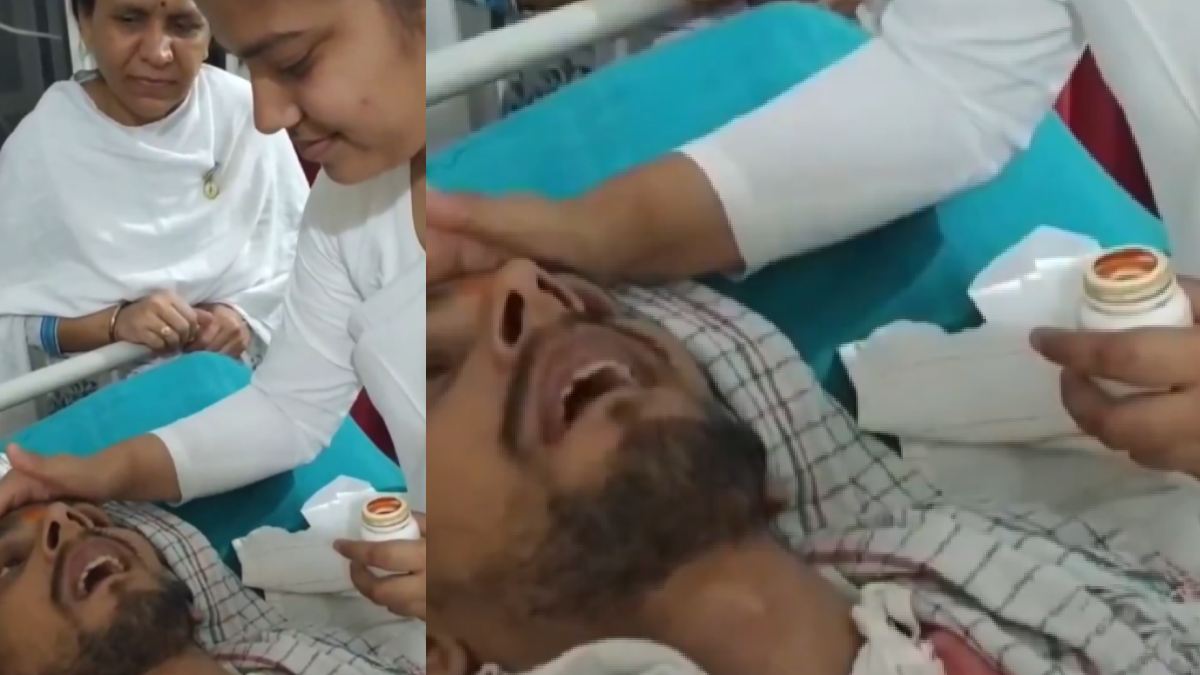
Harish suffered severe brain damage in his accident, and despite numerous years of medical care, his condition did not improve. He continued to rely on feeding tubes and other means of life-support systems. His family, weary of his condition at home and on the outside, went to the Supreme Court (and from time to time also visited him) with a plea for relief. The Court had its approval on March 11, 2026 and the patient's feeding tube, along with his other supports, was removed.
The Supreme Court decision was landmark as it was the first time that India ever operationalized its passive euthanasia principles. The passive euthanasia is to discontinue medical treatment that is not able to prolong life. The ruling was humane, the court said, factoring in the family’s longstanding suffering and Harish’s lengthy ordeal.
Ashok Rana, Harish’s father, termed it a humane decision that truly put an end to his son's pain at last. The family welcomed organ donation; they wished they would donate for Harish’s life and death. They shared that their decision was a combination of being compassionate and brave that honored the grief they had individually while also carrying a larger societal responsibility.
This case has ignited nationwide debates among people in India on the ethics of euthanasia, patients’ rights and the duties of family and institution. It emphasises compassion in law and medicine, and the importance of trading tradition against changing humanitarian values.

The farewell to Harish Rana was not merely a family’s personal tragedy but also pivotal in India’s medical and legal history. It underscored the emotional burden that families bear for loved ones who are undergoing conditions that are irreversible, and it sparked a new chapter for the country in regard to care at the end of life. Harish’s tale will be known as a turning point, the juncture of law, medicine, and human compassion to relieve agony.