A visit by Abhijeet Dipke and a group of reel influencers to a government school in Kesapur has triggered questions about the way public schools are being approached during ongoing classes.
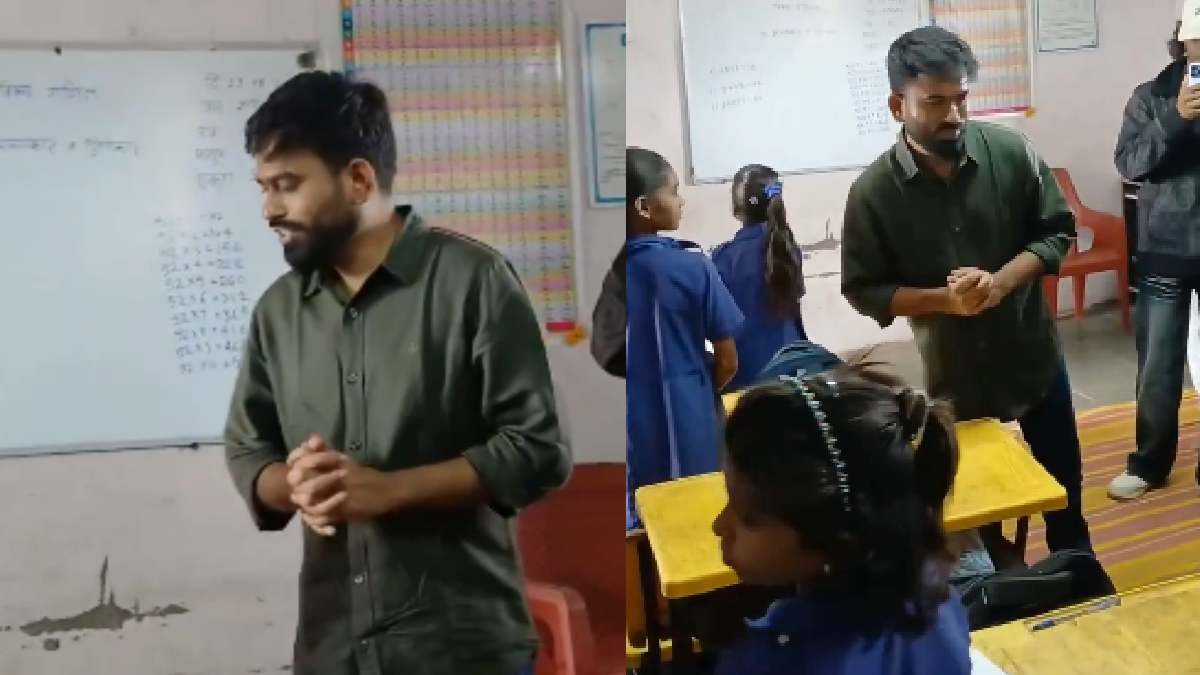
According to the information provided about the incident, Dipke visited the school with around 15 social media influencers. During the visit, he allegedly entered a classroom when a lesson was going on.
Government schools are primarily to offer students a safe and uninterrupted environment. Visitors from outside the school during teaching hours can disturb classroom work.
That's what school authorities were aware of in advance and how appropriate procedures were taken.
The incident has also opened a wider conversation about the role of public figures, activists, and social media personalities when they visit educational institutions.
Public attention to problems in government schools should be sought, but such visits need to be handled carefully so that students are not unnecessarily disturbed.
Dipke has been involved with campaigns highlighting problems facing government schools in Maharashtra. His campaigning has focused on the state of school functioning and problems faced by students in government-run schools.
However, the Kesapur incident has brought more attention to the manner in which such campaigns are carried out. A class with a large group of people will disrupt the routine of class, and teachers and students may be uncomfortable.
Accountability has also been raised. If visitors enter a school without prior permission, you need to know who authorised the visit and what safeguards were put in place for students.
Today Abhijeet Dipke with his 15 reel influencers visited the government school in Kesapur. He entered an ongoing class and began disrupting the lesson.
— Chota Don (@choga_don) August 29, 2026
Look at his attitude, he behaved as if he were the district magistrate. Who gave him the authority to enter a school and… pic.twitter.com/N4ayPN6oGl
Schools are usually governed by administrative guidelines to protect students as well as staff.
The incident has also raised criticism of the Maharashtra government, with questions raised about whether there is a sufficient mechanism in place to control outside visits to government schools. Maharashtra Chief Minister Devendra Fadnavis has been mentioned in the criticism of the episode.
At the same time, claims about the actual events inside the classroom, the permissions obtained by the visitors, and any possible impact on students should be established through statements from school authorities or an official inquiry.
The controversy highlights a larger problem of public education: problems in government schools must be addressed and classrooms must be safe and focused on the education process.
Educational campaigns designed to raise attention to the issues can be important, but they should be respectful of school procedures and the students’ interests.
So the Kesapur episode invites questions not only about Dipke’s visit but also about how individuals and groups should interact with government institutions.
Any effort to highlight problems in schools is likely to receive greater public trust when it is carried out transparently, responsibly, and without disrupting regular classes.