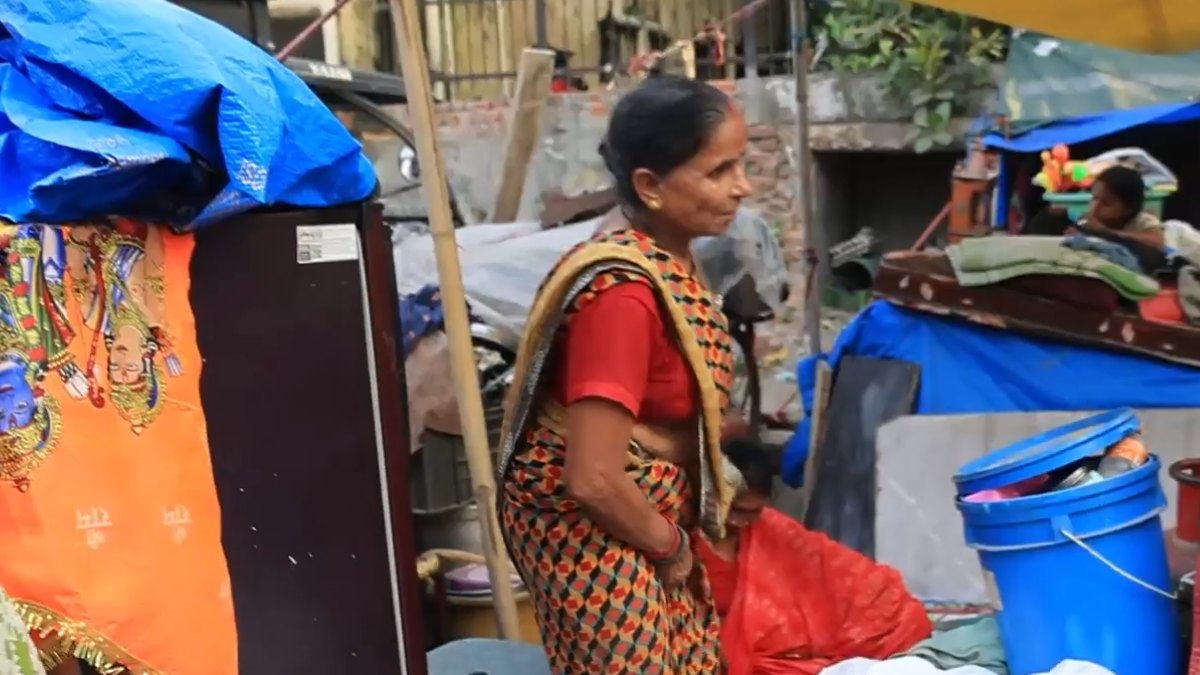
Alleged traffic challans stir worries in Delhi. Transportation rules will keep roads safe and organized. In India traffic officers have an opportunity to check documents and issue challans (fines) if rules are broken. Recent Delhi police reports come as a surprise to many. But the police can’t change things. Without uniforms or identification available to investigators, unknown and unidentifiable men are pulling over cars, asking for documents and issuing counterfeit challans. This practice has also been characterized as "traffic loot," even in criminal jurisdictions and questions about law enforcement and public safety are raised.
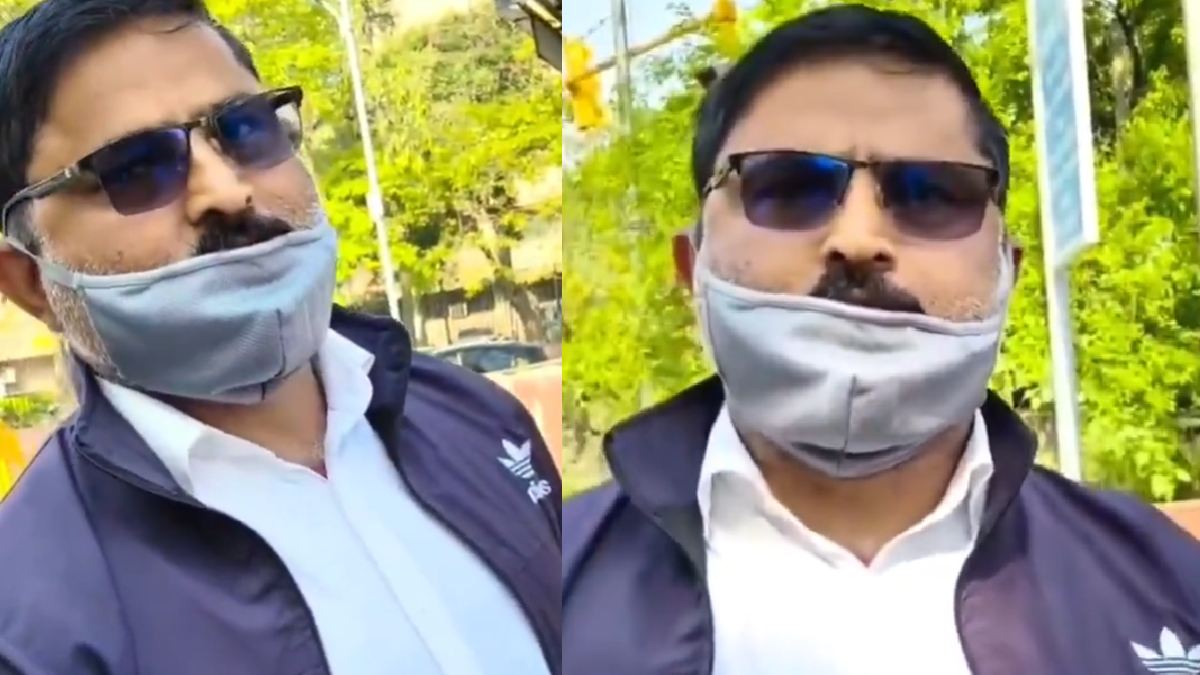
Commuters in Delhi say that some men pretending to be traffic police are targeting drivers. They stop vehicles, demand to see licenses or registration papers, and then issue challans on the spot. These men lack the uniforms of an officer and don’t have the badges of an official or an official receipt. More often than not, they demand cash payment directly. Many people don't believe traffic enforcement officials are working, however, so they let someone else do what they do but they stay behind because of the distance from people.
It’s more than money; it’s trust in the system. People don’t trust law enforcement when fake officers issue challans. Also genuine traffic policemen can’t always be distinguished from fake personnel. And if such scams are not paid for then harassment, extortion and even danger might be imminent. Unfounded to others, if such practices are not stopped, they will spread throughout a multitude of cities and have damaged the credibility of traffic management in India in all cities.
The problem shows there are weaknesses in monitoring and accountability. Traffic police should be more visible on the roads and only authorized officials should deal with the public. Citizens need to learn how to identify genuine challans. The official challans must be tracked online and can all be verified using government forms. Don’t hand money to anybody without cash receipts. Stronger action against impersonators and stricter enforcement can restore the public trust and a more proactive approach can be taken to that effect.
The Delhi case highlights that traffic management can no longer be about rules, but about fairness and transparency and to be fair has to be appreciated. These fake challans can be dangerous for drivers and to the reputation of the police as well. Thus, action must be taken immediately against the fraudsters, and such law enforcement must be made for citizens, so as to be made an even more sensitive approach to quality for the citizens of Delhi. For commuters, the lesson is apparent (a big one) : always check challans through official systems and never simply give money to unknown men (and do so when they are very likely to work to a certain extent as an unknown man). And freedom on the road comes with responsibility, but it must also come with protection from exploitation.