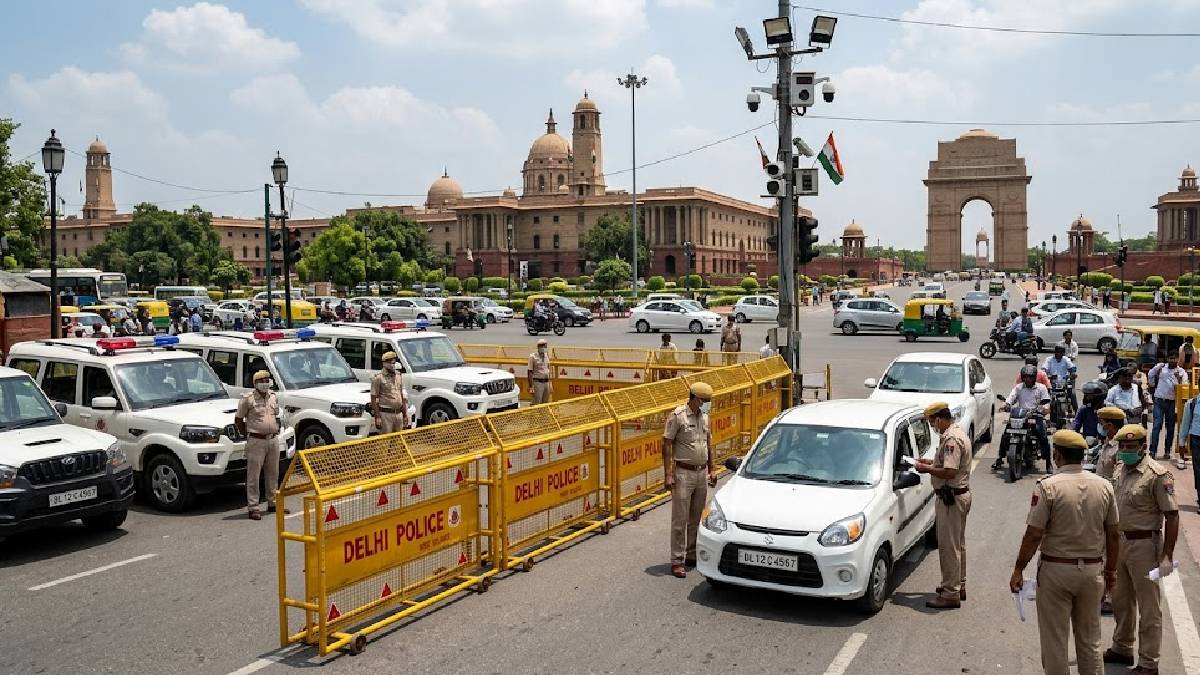
Redesigned the Delhi Government policies to address traffic congestion, pollution and its impact on urban infrastructure in the national capital. The Delhi government has also brought back its two-day-a-week mandatory working-from-home policy for public staff every week.
They also indicated the same guidance could soon be made available to private-sector companies, officials told the release. All the departments of the Delhi government can eventually roll out a hybrid working model according to a government document that would see staff working from home for 2 days in every week and those days in the company’s physical office instead at the headquarters instead.
The policy is phased in and is being implemented along with operational guidance from all departments, the company said. The decision arose on inspection of traffic congestion, pollution worries and changing working habits from remote working models introduced in recent years, authorities said.
The administration believes the move could help reduce the number of cars driving through the city and improve its quality of life. The new work-from-home model will also be expected to reduce commuting stress for employees and promote digital governance and flexible office structures.
Departments responsible for key public services could be granted special exemptions or altered schedules based on operational requirements, officials said. The Delhi government is also preparing a larger advisory to raise awareness among private companies, corporate offices and businesses of what hybrid work systems will entail in a draft, according to a draft, the agency added.

Among others, most notably, the advisory will likely recommend minimum remote working, especially in fields where you don’t need to work in person. It has roused mixed attitudes among workers and business circles. In the congested capital city, many government supporters jumped on board, arguing that hybrid work would have allowed for a better work-life balance and reduced travel costs.
But officials said implementation hurdles might arise in departments where there is frequent physical public contact and paperwork to be filled out. There have also been concerns related to overall coordination, productivity monitoring and readiness for digital infrastructure in certain government buildings.
Environmental scientists were in on this, referring to the idea of halving commute by reducing car emissions in the city of Delhi, where air pollution still runs high. High office hours of traffic congestion remained one of the largest challenges in the capital city for years.
Therefore, urban planners agree that a hybrid work culture can bring a phased evolution of the manner in demand for and consumption of transportation and office space in the urban centres as well. If successful, Delhi’s approach may serve as a model for other states, pursuing a similar flexible work provision for private and public entities.
Formal process guidelines, as well as registers for each worker and rules for adherence, will be released soon, officials said. It is also likely under the impression that the government will gauge periodically the impact of the policy at hand to decide whether that long-term commitment would be appropriate. It's a piece in a broader shift to using technology for decision-making functions and an emerging corporate workplace culture in India's public sector ecosystems.