Andhra Pradesh has reported a fresh increase in COVID-19 infections, with 12 confirmed cases and four deaths recorded between June 26 and July 16, according to health department data. While the numbers remain relatively low compared to previous pandemic waves, the development has prompted state health authorities to intensify surveillance, monitor the situation closely and encourage the public to stay vigilant without giving in to panic.
Officials have clarified that the current number of infections is not indicative of a large-scale outbreak, but rather is an indication that the coronavirus is still being spread. COVID-19 is an endemic disease that is still very much present in many countries, and so sporadic cases and localized outbreaks are still possible especially among older people and people with chronic health issues.
The reported deaths have made clear the need to protect those at high risk. Although at present the COVID-19 infections are milder than the ones experienced in the past wave, severe illness still is possible in some individuals who have weak immune systems, chronic diseases, or advanced age. The facts on the reported deaths are still being reviewed and their clinical consequences will be discussed.
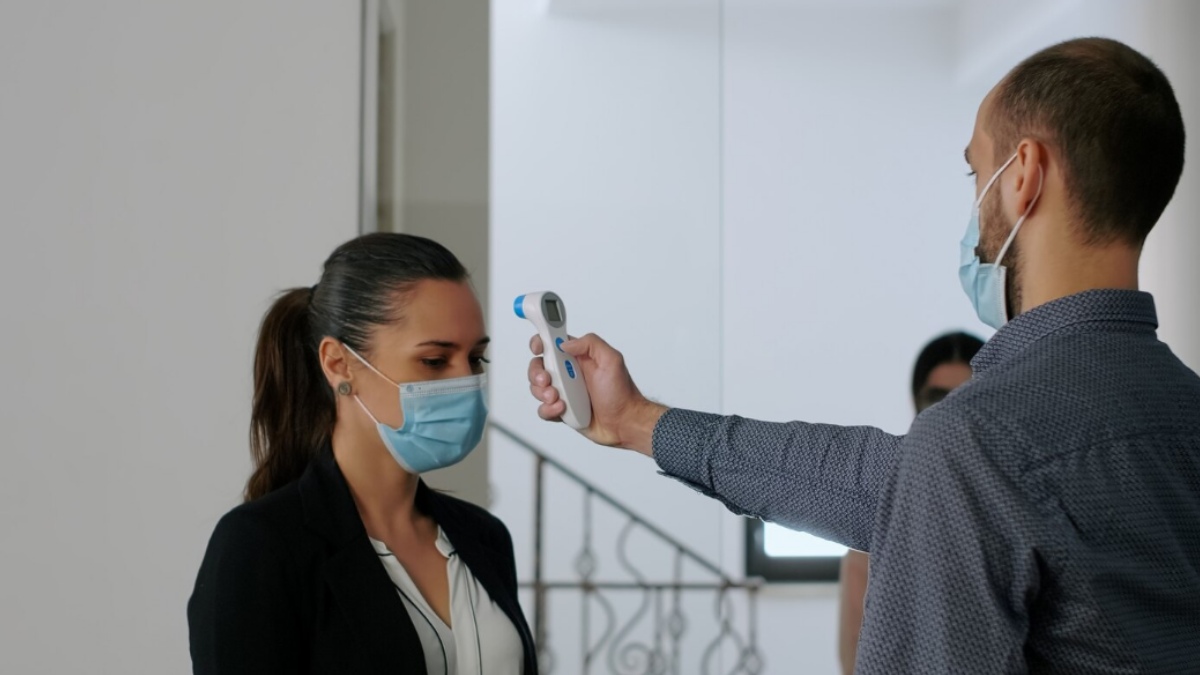
Andhra Pradesh Health Department has strengthened disease surveillance in hospitals and health facilities to find new infections early. Testing and monitoring efforts have been reinforced, especially in patients with influenza-like illness (ILI) or severe acute respiratory infections (SARI). Hospitals should be prepared for any increase in cases with adequate medical supplies, isolation facilities, oxygen support and essential medicines.
Health officials have advised residents to take basic preventive measures that have been shown to prevent respiratory infections. People with fever, cough, sore throat, body aches, fatigue or breathing difficulty should seek medical help as soon as possible, rather than keep on self-medicating.

Medical professionals say good hygiene is still the most efficient way of preventing the spread of COVID-19 and other respiratory viruses. Frequent handwashing with soap and water, using alcohol-based hand sanitizers as necessary, covering the mouth and nose while coughing or sneezing, and proper ventilation in indoor spaces can greatly decrease transmission risk.
People who are elderly, pregnant, immunocompromised, or living with chronic diseases such as diabetes, hypertension, heart disease, kidney disease, or respiratory disorders are recommended to be especially wary. Doctors recommend avoiding crowded indoor environments when respiratory illness activity is at a high level and seeking professional help if symptoms are present.
Public health experts say there is no reason for alarm. What is happening now is that healthcare systems are far better equipped to detect, monitor and manage COVID-19 than in the early stages of the pandemic, they say. Better diagnostic capabilities, clinical experience, surveillance systems and vaccination coverage have enhanced the country’s capacity to cope with changes in infections locally.
Vaccination still plays a crucial role in reducing the risk of severe disease, hospitalization and death. All eligible people are encouraged to continue to receive recommended COVID-19 vaccines and booster doses, especially high-risk groups. And doctors also recommend that healthy eating is maintained and that people are physically active, get adequate sleep, and manage chronic medical conditions.
The revival of a few cases also reminds us that respiratory viruses such as COVID-19, influenza, and other seasonal diseases continue to spread throughout the year. Experts suggest that common viral diseases and COVID-19 must be separated by a medical examination if symptoms are persistent or severe.
Andhra Pradesh authorities have assured the public that the situation is well under control and that there is no indication of widespread community transmission at present. A constant monitoring system is in place, early case detection and contact tracing are taking place, and public health measures are being implemented to prevent further spread.
The state is monitoring developments, but the public must follow the information from government health organizations and avoid misinformation on social media, they say. Good public behavior, timely medical consultation, and basic preventive measures are essential in order to minimize COVID-19 and protect vulnerable members of the community.
The recent figures demonstrate that the pandemic emergency is no longer an emergency, but COVID-19 still exists. Vigilance, effective public health surveillance and community cooperation will be key to ensure that isolated cases do not develop into larger outbreaks and Andhra Pradesh can handle the current state of affairs as it develops.