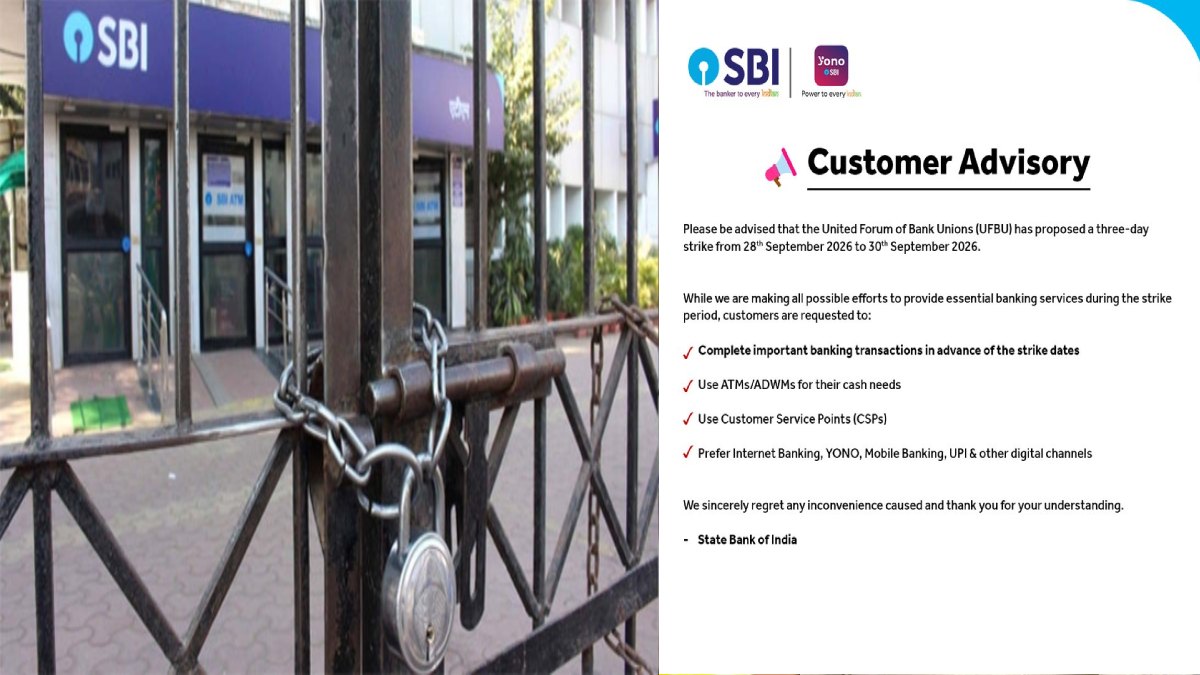
Banks across India should continue to operate on Sunday, September 27, 2026, despite it being a holiday. The decision comes ahead of a three-day national strike by bank employees from September 28 to September 30, which could disrupt banking operations nationwide.
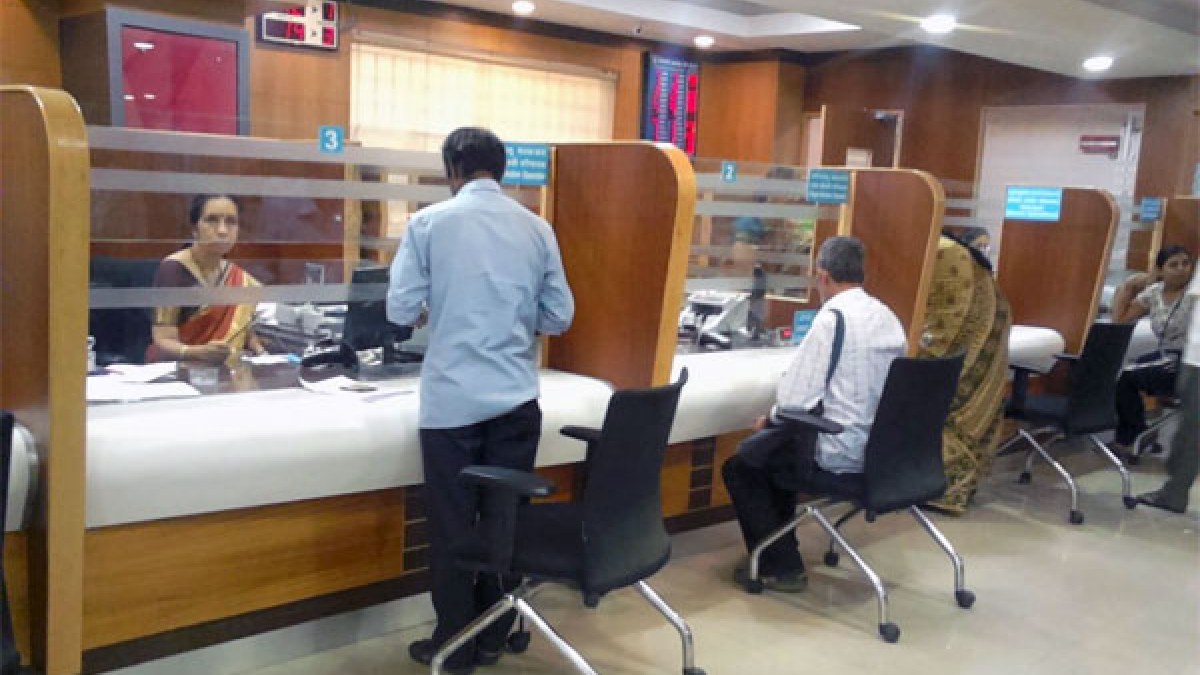
According to the Ministry of Finance, the RBI (Reserve Bank of India) has approved the opening of bank branches and related offices in India on September 27 for uninterrupted service and less inconvenience to customers.
Under the agreement, all bank branches, administration offices, ATM-linked service centres, and currency chests will work normally on Sunday. The directive applies to public sector banks, regional rural banks (RRBs), and other government-run banks and allows customers to access essential banking services before the strike begins.
To avoid Five Consecutive Days of Disruption
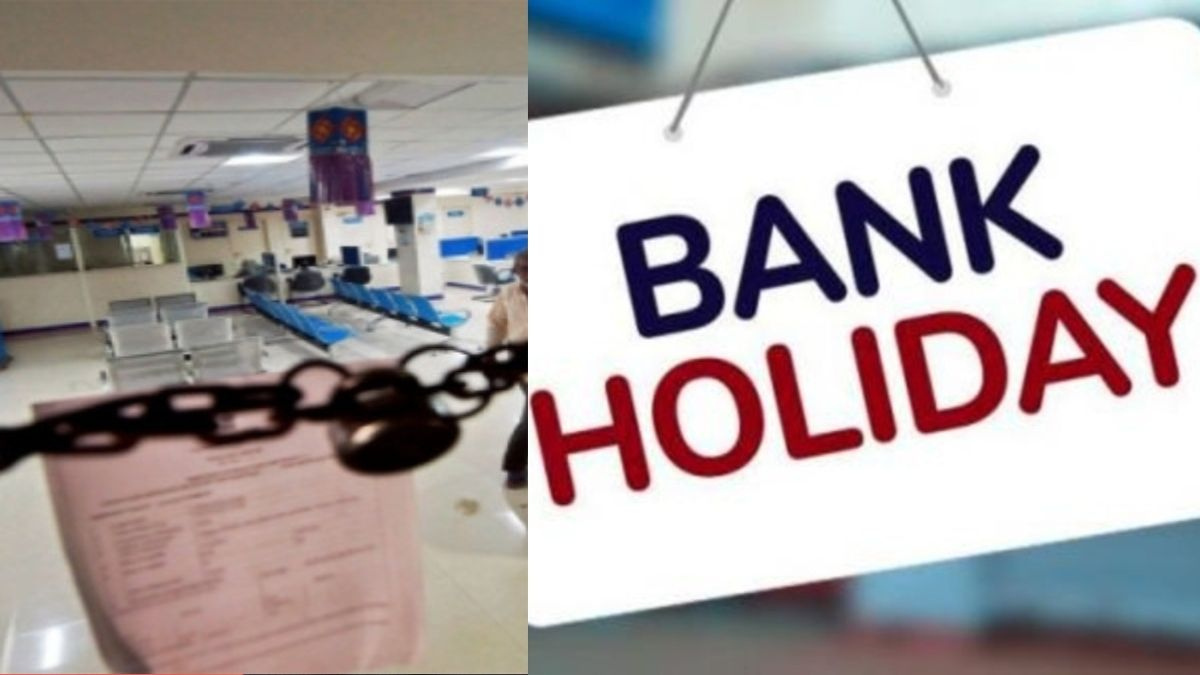
The decision was made to avoid a five-day interruption in banking services. September 26 is the fourth Saturday (which is a bank holiday) and September 27 is the fifth Sunday. With the bank employees’ strike from September 28 to September 30, customers might have been left without regular banking services for five days.
People feared this sort of extended shutdown would have a big impact on cash transactions, cheque clearing, business operations, and other banking processes. To counter these concerns, RBI approved normal operations on September 27 because customers need a day more to complete urgent financial transactions.
Why Are Bank Employees Going On Strike?
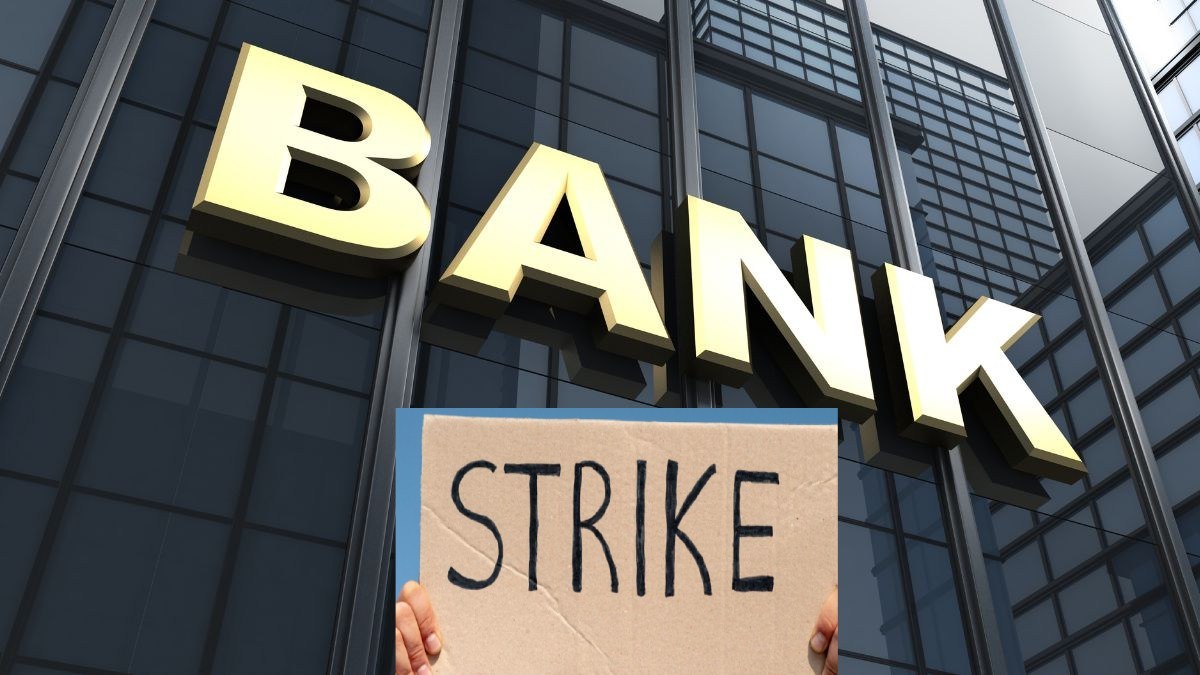
The strike was called by the United Forum of Bank Unions (UFBU), which is a union of several bank employees’ and officers’ unions in India. Employee welfare, working conditions, and service benefits are among the demands that the organisation has made.
One of the major demands is the implementation of the five-day work week that would give bank workers two weekly days off, like many government and corporate sectors. Union leaders maintain that the banking sector has changed considerably and the workload has risen in recent years, so it is reasonable and necessary to have a two-day weekend.
As of September 13, the UFBU had already held a one-day strike to draw attention to its demands. Still unsatisfied with the progress of talks, the union has now declared a three-day strike from September 28 to September 30. And if the union is not satisfied now, it may go on an indefinite strike in October.
The Government, Banking Industry Seek A Solution
The government is aggressively trying to avoid a long-term disruption of banking services. Underlining the need for the unions to reconsider the strike action, the Department of Financial Services (DFS), the Indian Banks’ Association (IBA), and the management of some banks have appealed to the unions to reconsider the strike action.
Officials have already begun discussions with employees about a compromise, the employee has said. The UFBU has also said it could reconsider its strike if the government gives concrete guarantees of delivering on all key demands.
What Customers Should Know
Customers should complete important banking transactions before the strike begins. Although digital banking services, mobile banking, internet banking, and ATMs will be available, branch visits will be affected during the strike.
And with banks still open on September 27, customers will have another chance to deposit, withdraw money, submit cheques, and complete other important banking tasks before the national industrial action takes place.