
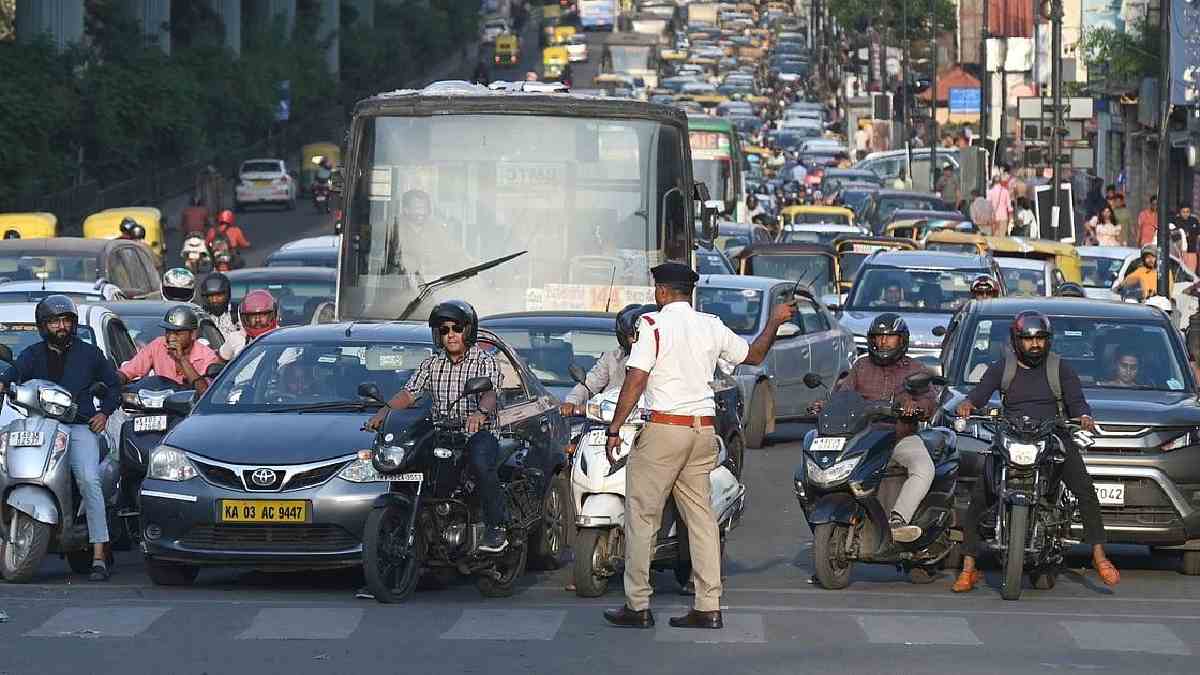
Bengaluru Airport Road witnesses severe traffic gridlock during peak office hours.
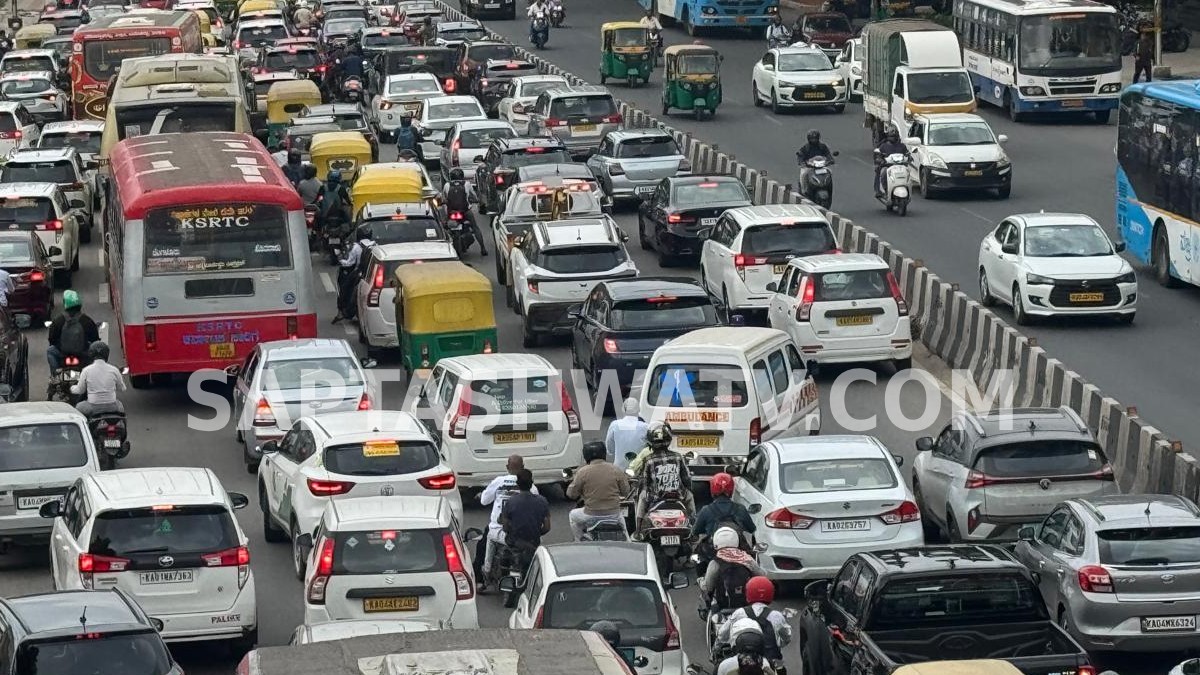
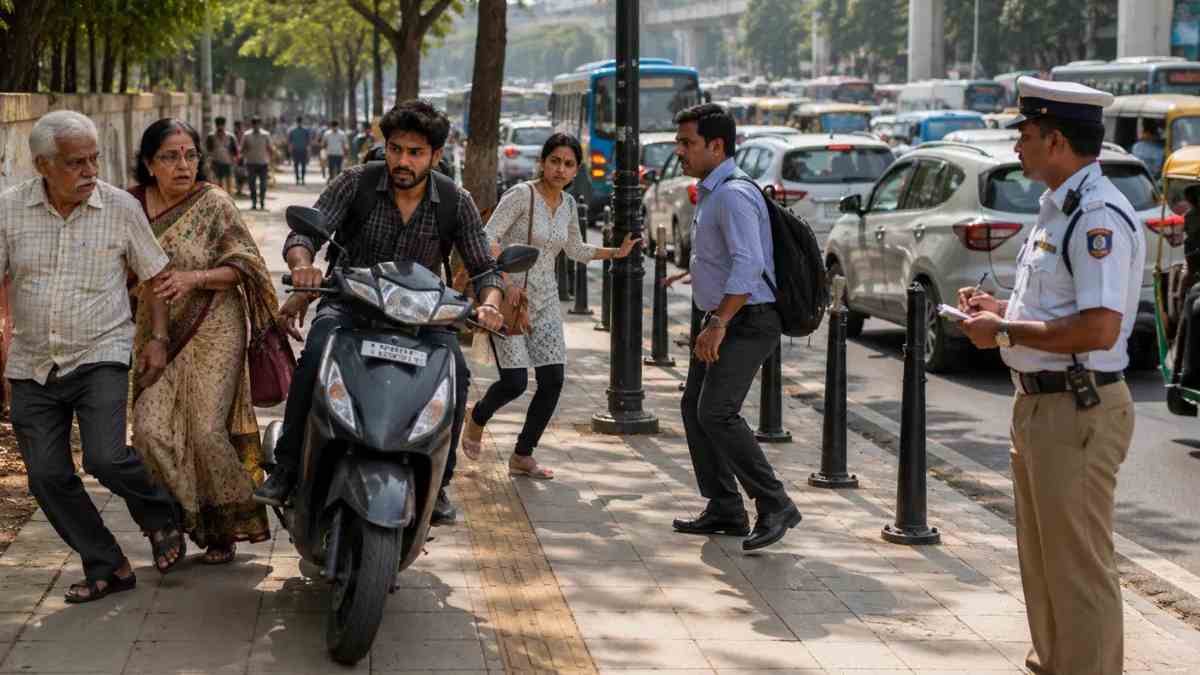
Bengaluru’s notorious traffic woes rekindled on the morning of July 7 as a massive traffic jam shut down Airport Road and surrounding streets during the city’s busy office commute. From 10:00 AM to 10:30 AM, thousands of vehicles were stuck in a mess of cars in a gridlock, and there remained long lines of cars on the road and at the airport, on bus routes, and on busy streets.
The congestion occurred at peak office hours when employees in the city are heading to huge IT hubs, and therefore, heavy traffic on one of Bengaluru's busiest arterial roads was particularly high.
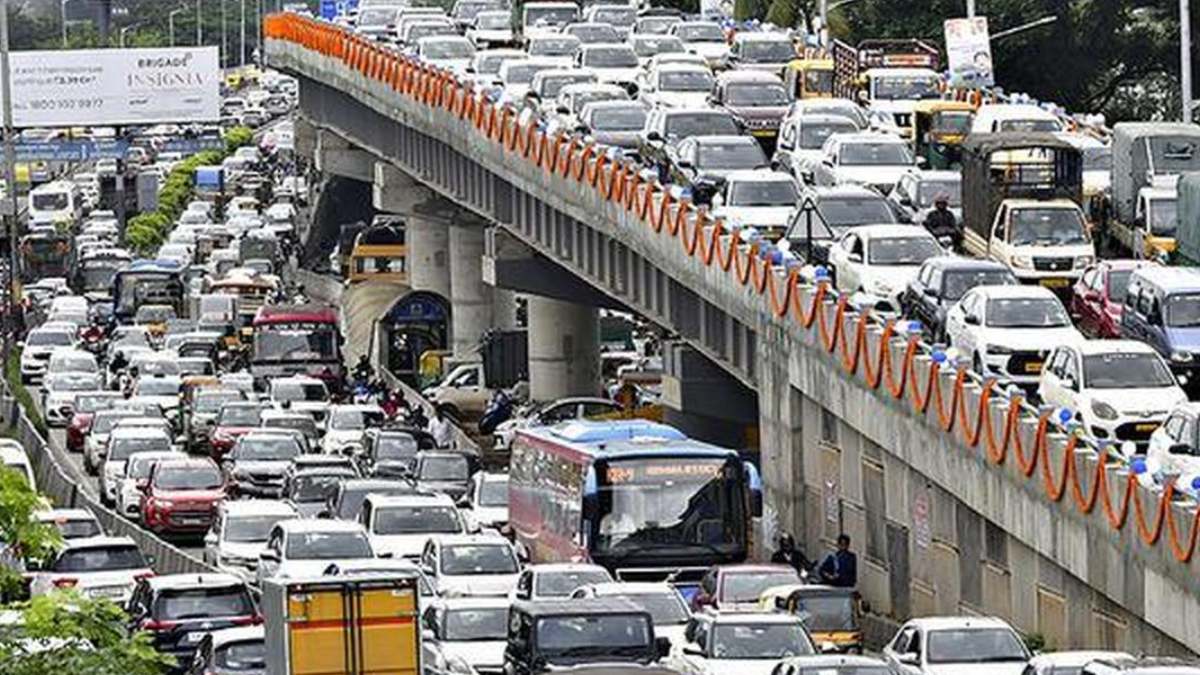
IT employees face long delays
The worst impact was felt by thousands of professionals traveling towards Hebbal and Manyata Tech Park, one of Bengaluru’s biggest technology campuses. Employees working for multinational companies got stuck in traffic for long periods and were unable to reach their offices on time.
Several commuters reported that what is usually a short commute turned into an hour-long ordeal as vehicles had to scramble through heavily congested roads. Office buses, private vehicles, cabs, and two-wheelers couldn't handle the crowded roads that had been filled with people.
The delays also affected productivity; employees informed their employers they would be late due to the unexpected traffic conditions.

Airport Passengers Left Worried
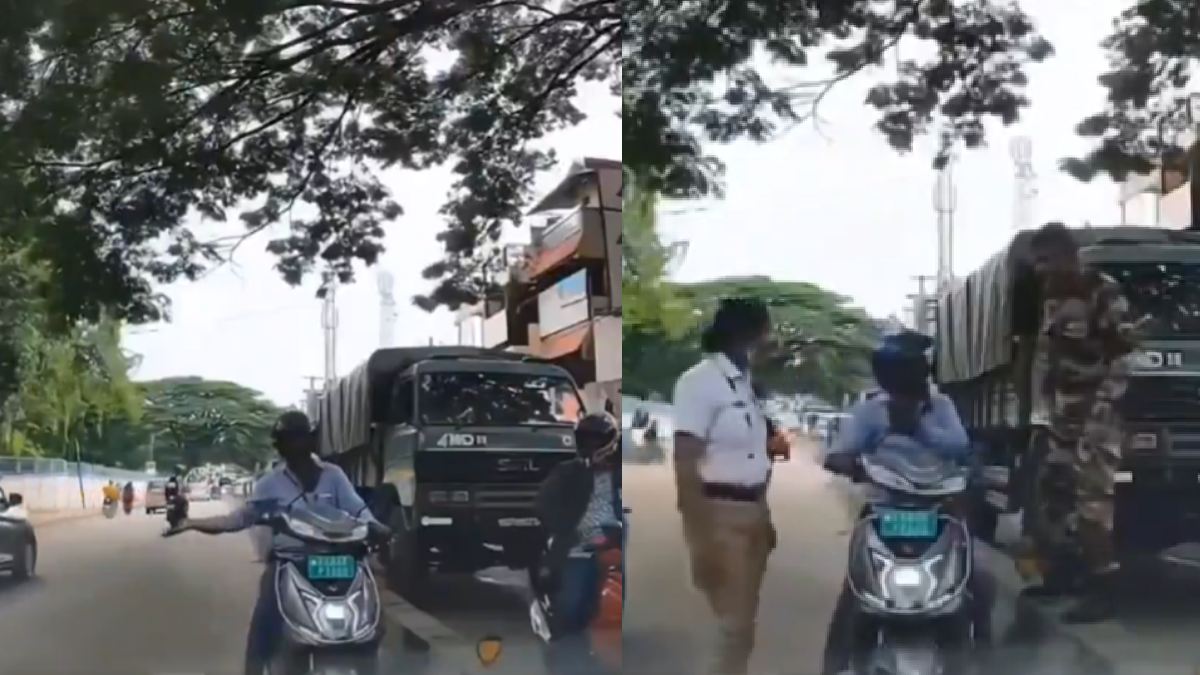
The traffic congestion also caused a great deal of concern for passengers on the way to Kempegowda International Airport (KIA). Travelers feared they might miss their scheduled flights as vehicles on Airport Road were moving at an extremely slow pace.
Airport-bound taxis and private cars continued to be stuck in long queues, so passengers would closely monitor flight times and hope to avoid getting stuck in traffic before arriving at the terminal.
Transportation experts often warn travelers heading to the airport during Bengaluru’s peak traffic periods to leave well in advance, particularly on weekdays when office traffic converges with airport-bound traffic.
Major Junctions Witness Kilometre-Long Vehicle Queues
The traffic congestion was particularly bad around several of the crucial junctions, including:
Hebbal Flyover
Kempapura Junction
Kalyan Nagar Junction
Airport Road stretches leading towards Hebbal
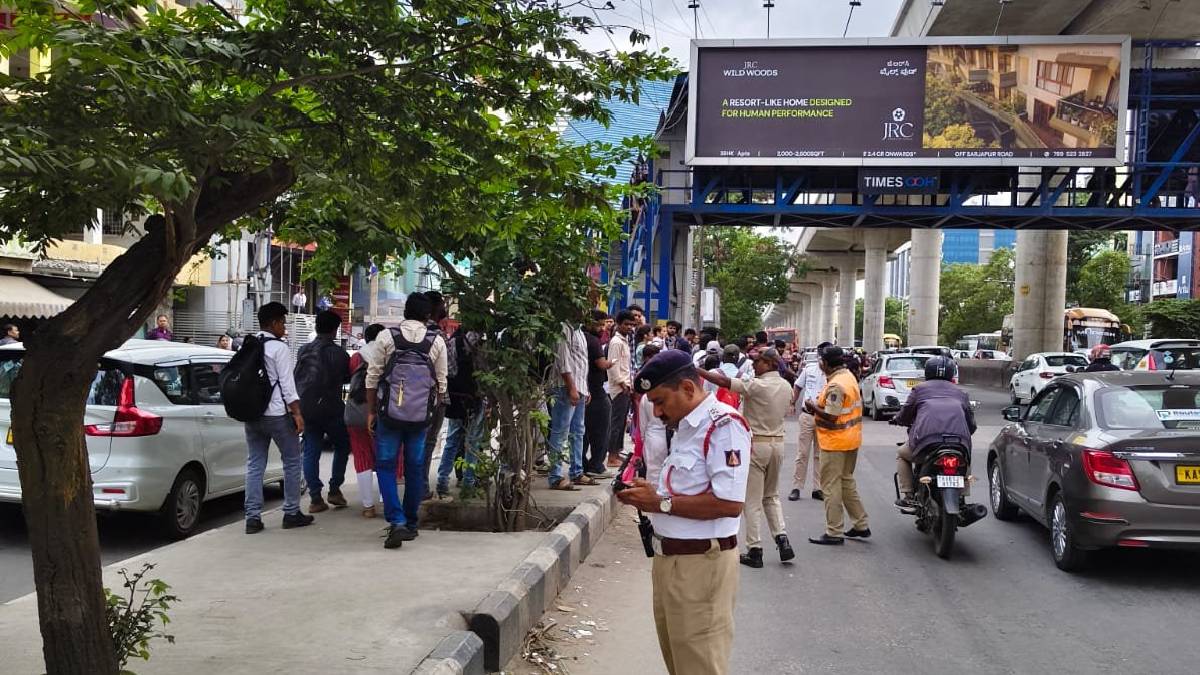
Vehicles formed queues that ran for several kilometres, and the movement was painfully slow. Traffic police were able to control traffic flow, but the sheer volume of traffic made it difficult to clear the bottlenecks quickly.
Buses, delivery vehicles, school transport, and emergency travel were also affected by congestion on connecting roads.
Alternate Routes Also Become Congested
As traffic got worse, many commuters started to search for more convenient alternatives on Google Maps. Drivers diverted towards Hennur Road and Thanisandra Main Road to avoid the gridlock on Airport Road.
However, the sudden influx of vehicles onto these relatively narrow roads quickly created congestion once more. What seemed to be faster routes quickly became packed with hundreds of motorists following the same navigation suggestions.
The spillover traffic highlighted Bengaluru's increasing dependence on a few major corridors and the city's continued struggle to manage increasing vehicle numbers during peak commuting hours.
Traffic Challenges Continue in India's IT Capital
Bengaluru has long been recognized as one of India’s most congested metropolitan cities, where rapid urban expansion, increasing vehicle ownership, and large employment hubs often overwhelm existing road infrastructure.
The July 7 traffic jam once again illustrates the need for better traffic management, public transportation, road planning, and integrated mobility solutions in the city to curb congestion.
For everyday commuters, especially those going to the airport or major IT parks, checking live traffic updates and leaving early are essential methods of avoiding travel disruption during Bengaluru’s busy office hours.





Comments