A new Airport Metro corridor between Silk Board Junction and Kempegowda International Airport (KIA) via KR Puram and Hebbal is expected to be completed by March 2028, but the delay will put Bengaluru’s commuters and airport passengers on edge.
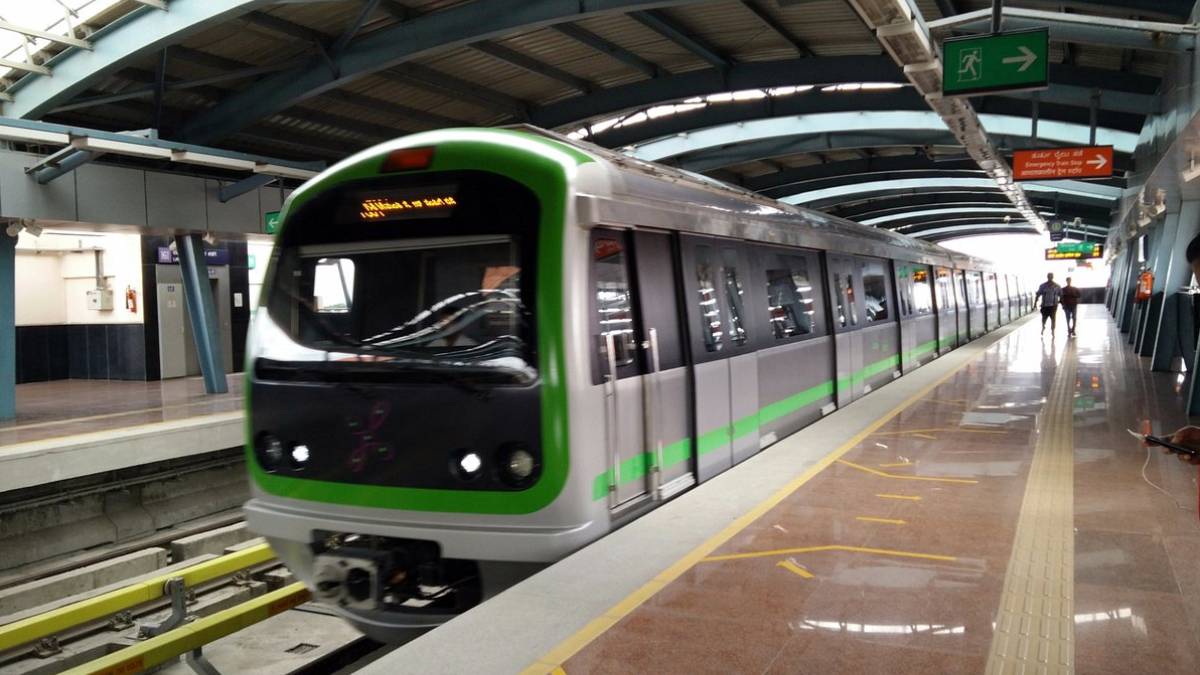
The proposed corridor is one of the more ambitious additions to the city’s metro network and is expected to dramatically improve connectivity between southern, eastern and northern parts of Bengaluru and the international airport. When it is operational, it will be a key link for daily commuters, business travellers, tourists and airport staff.
The airport metro route is particularly important as Bengaluru’s road links to KIA are frequently affected by traffic congestion. Travel times to the airport can differ by the time of day, weather and traffic conditions. The metro connection will make for a consistent journey and less reliance on private cars and taxis.
The corridor will connect Silk Board Junction, one of Bengaluru’s busiest traffic points, to the airport through important transportation hubs including KR Puram and Hebbal. These are strategic locations connecting some of the city’s largest residential, commercial and employment areas.
Silk Board is located at the heart of technology and business corridors, and the airport-bound metro is one of the best starting points. KR Puram is another main transportation hub with connections to eastern Bengaluru and a variety of growing residential and industrial centres. Hebbal is the gateway to northern Bengaluru and the airport.
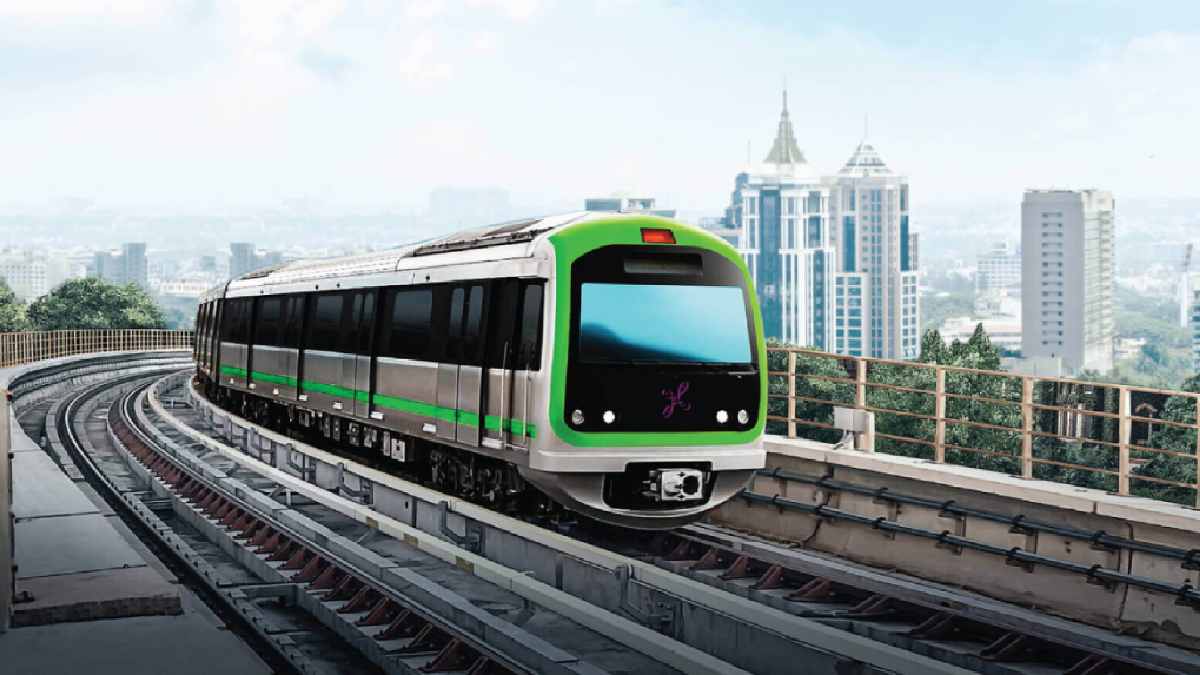
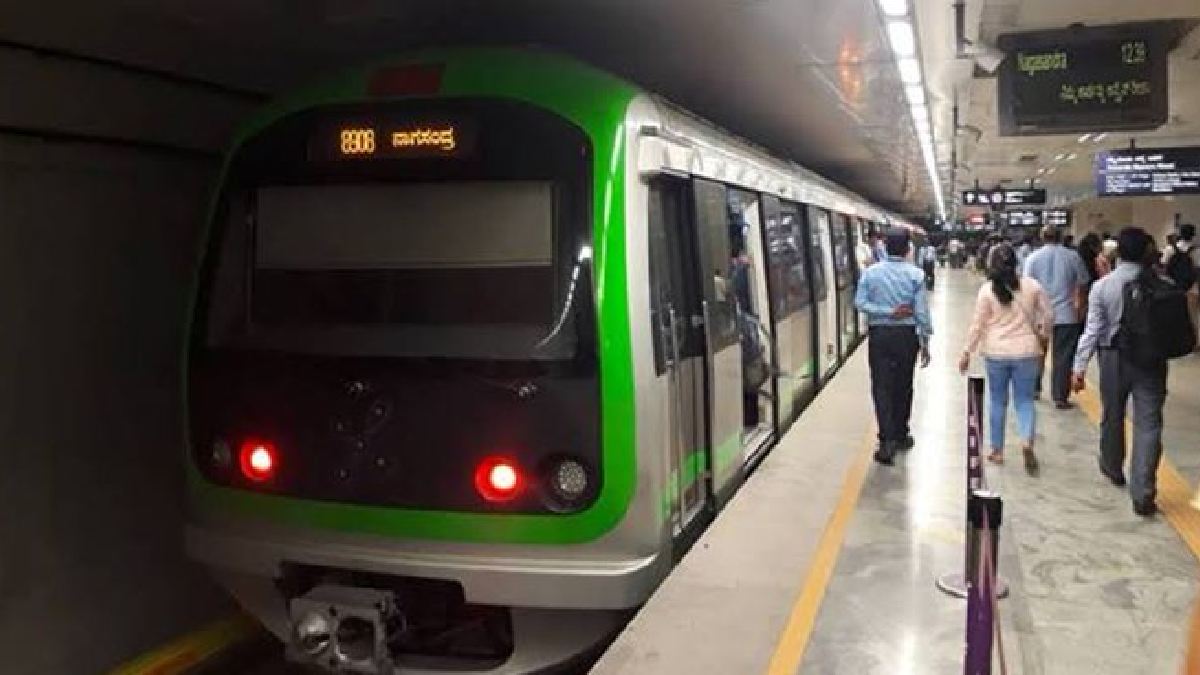
The integration of the airport corridor with the Namma Metro network could also make this more important. And passengers travelling from other parts of the city could use the airport line instead of driving on the road for much of their journey.
Bengaluru residents see this project not only as airport connectivity, but also as part of a larger solution to the city’s increasing mobility issues. Bengaluru’s rapid growth has put enormous pressure on its road infrastructure— cars, two-wheelers, buses, commercial vehicles and airport-bound traffic compete for limited road space.
A high-capacity metro system could solve some of these problems by moving such a large number of passengers without directly affecting road congestion.
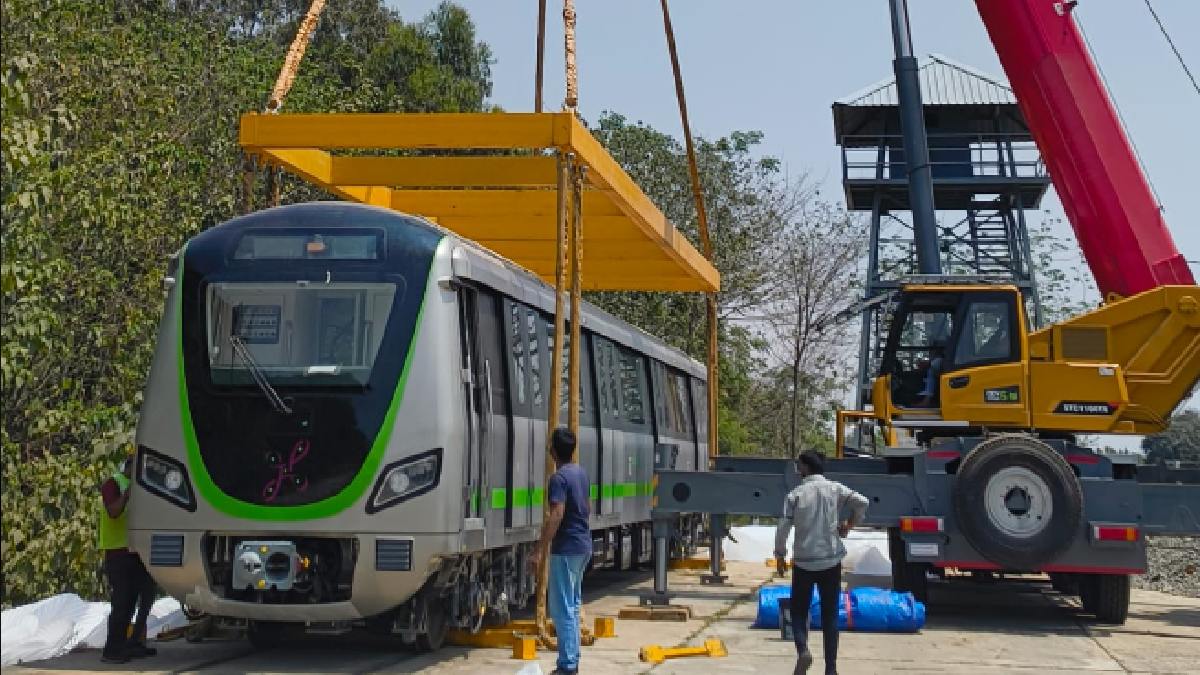
But the March 2028 timeline means commuters will have to wait longer for the benefits. And large infrastructure projects such as metro corridors involve civil construction, viaduct and station construction, track installation, electrical and signalling systems, testing and safety approval, etc. Delays can be due to construction challenges, land requirements, utility switching, coordination among agencies, and other project-related aspects.
Once the physical construction has been completed, the line will also need testing and statutory safety clearances before passenger services can start. Thus, the construction completion date and actual commercial opening date may not necessarily be the same.
The airport metro’s eventual impact can be significant. A quick connection could eliminate the uncertainty of airport travel at least in peak times. Passengers could plan on metro timetables rather than driving late due to road conditions being erratic.
And airport workers and businesses along the route could also benefit from the line. Every day, thousands of people come to and from KIA to do work, logistics, hospitality, and aviation-related activities. A reliable public transport connection may make those trips more convenient and lower transportation costs.
If successful completion of the project could allow more people to migrate from private vehicles to public transportation, congestion and pressure on Bengaluru's road network would be lessened for the city as a whole.
Much will depend on the final cost of the project, service frequency, station accessibility and integration with existing metro and bus services. No line will be enough; reliable last-mile connection will be critical if the corridor is to be successful.
The March 2028 timeline will thus be closely monitored by Bengaluru residents and infrastructure experts. The project has already attracted considerable public interest due to the huge extent of connectivity it promises.
Despite a delay, the airport metro remains one of Bengaluru’s most important transportation projects. When completed, the Silk Board–KR Puram–Hebbal–KIA corridor could change the way people travel to Kempegowda International Airport completely.
Because traffic congestion is one of the biggest issues faced in a city with traffic congestion that is one of the biggest problems every day, the Airport Metro may provide some relief in the form of long-awaited relief. Now it is key to the continued progress of construction to make sure the latest target is achieved, and the next target will be reached with minimal delays.