The heightened civic concern is being voiced in cities throughout the country, where public infrastructure is becoming more and more adorned with banners and posters. Neighborhoods that were meant to be designed for regular people and easy pedestrian flows: footpaths, electric stands, streetlights, metro pillars, are increasingly thought of as inundated with visual pollution and there are questions of enforcement and civic duty.
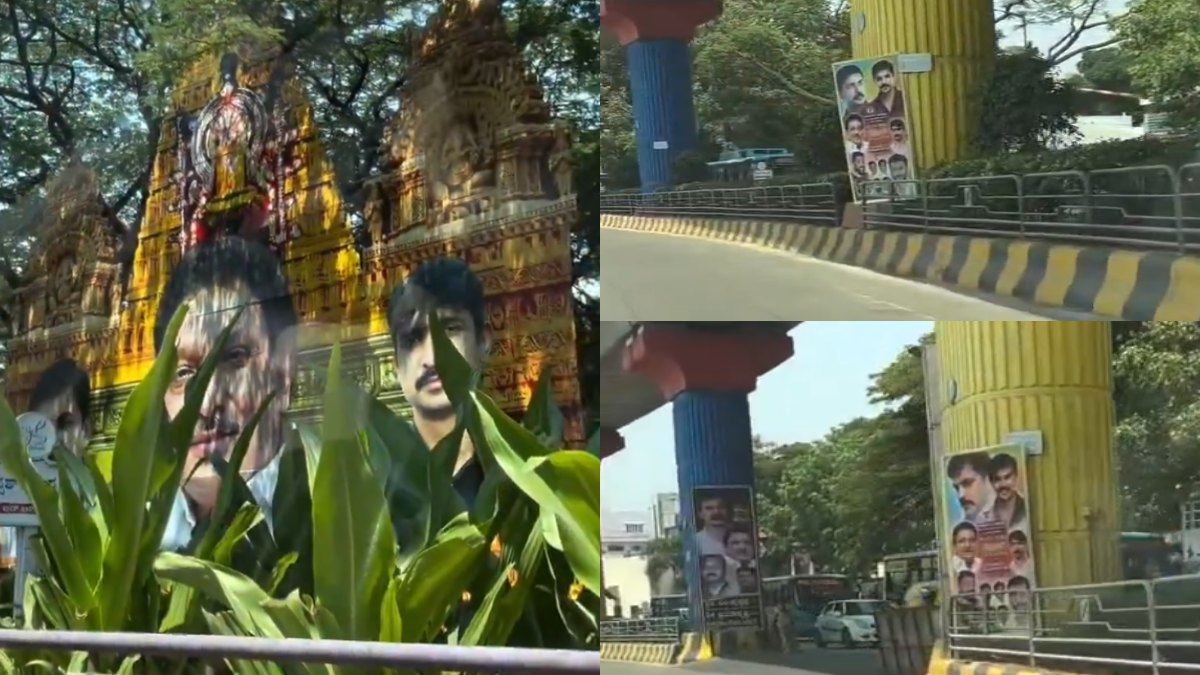
There are areas, too such as high-footfall pedestrian areas and transport corridors where banners are tied or pasted on structures like pedestrian paths and metro pillars without proper approval. Previously a smooth walkway is broken up by signs, political messaging and announcement of events.
Street traffic is so often unchecked creates a bad looking city with ugly aesthetics and practically creates serious problems for the pedestrian population. In certain areas, walkways are sometimes blocked in some ways, and so pedestrians have to walk on the street (and are at higher risk of accidents). And the posters plastered on streetlights and signboards can also be fairly hard to see as darkness descends, creating plenty of confusion.
That lack of maintenance and enforcement has been complaints among residents and commuters. Many say the rules prohibiting unlicensed posters on public property are still violated in a number of places.
The problem encompasses a more general challenge in reconciling political, commercial and civic interests by protecting these public spaces. Urban civic specialists further note that such policies cause “visual pollution,” which eventually harms the quality of life in urban areas. Clean and appealing streets are important both for the aesthetics and for safety, accessibility and urban dignity.
In some cities periodic campaigns have been held to remove illegal banners and fine violators. But its sheer frequency suggests that only enforcement alone is not enough in times like this. Long-term solutions involve public awareness, tougher penalties and responsible behavior by political groups, businesses of all kinds and event organizers. This begs a simple but vital question What is it that we are responsible for preserving in public space?”
The moment that every pole and pillar becomes a notice board, all the urban infrastructure that once buoyed our lives has become powerless. This is true in every way because clean and tidy spaces should be won through everyone’s participation. Without collective discipline and good governance systems, cities will become busy with ads, blurring vital infrastructure.