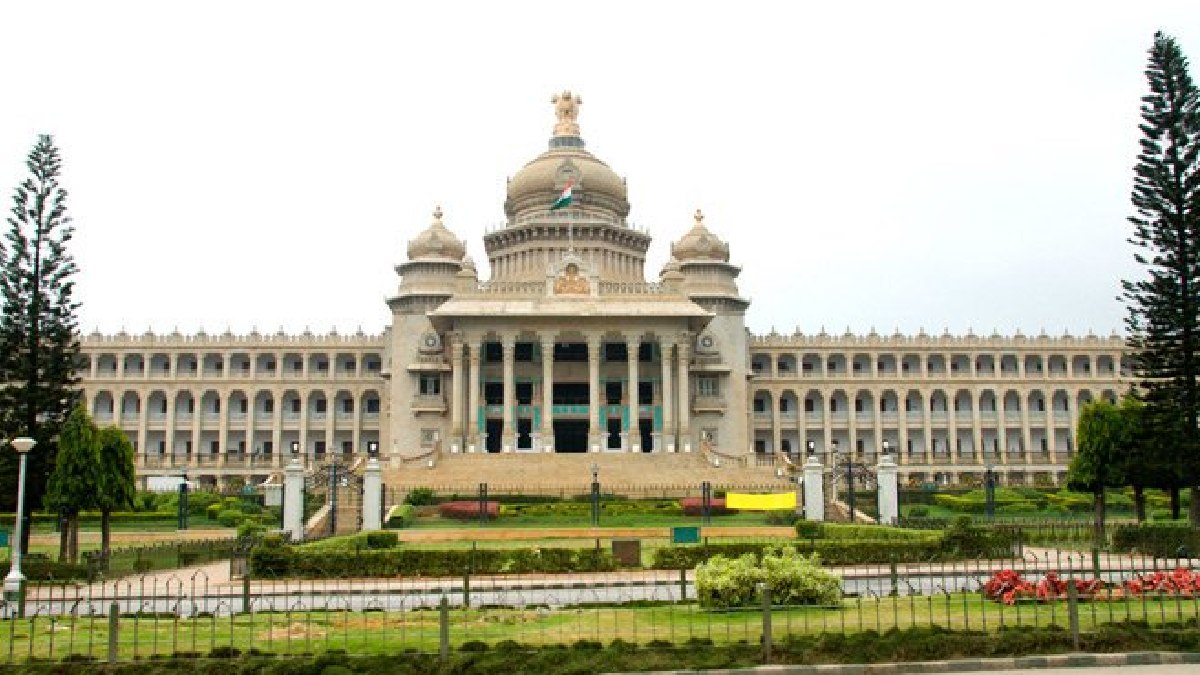
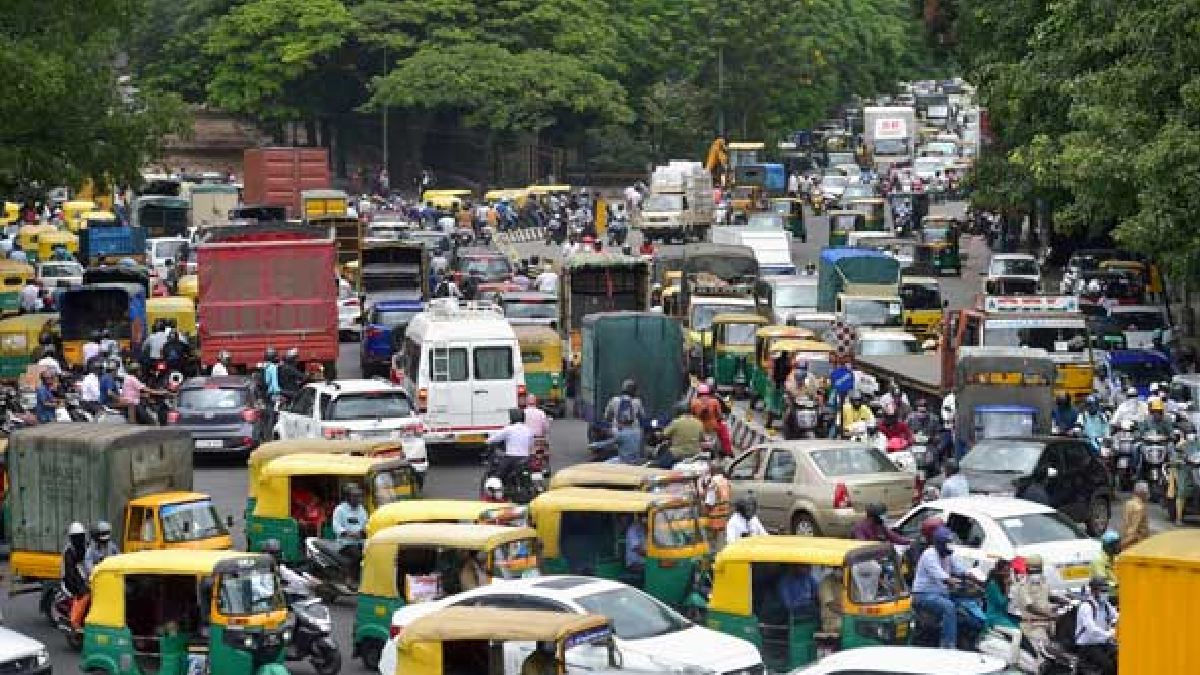
In a revelation that substantiates the daily woes of millions of commuters, Bengaluru has been confirmed to be the second most congested city in the world. The 2025 TomTom Traffic Index, published by the location technology specialists from the Netherlands, revealed that India’s Silicon City trails only Mexico City in traffic density. Bengaluru, which has been globally lauded for its IT strengths and blasted for a crumbling infrastructure, is a place of grim concern according to the report.
The Rising Numbers: A Statistical Analysis
This data is a sobering testament to the urban city’s poor mobility. As of 2025, Bengaluru's mean congestion level reached a staggering 74.4%. This marks a significant increase from the 2024 reading of 72.7%. Although the increase of 1.7% year-on-year may appear slight on paper, for a city of over 13 million people it translates to thousands of additional hours lost in traffic.
Time to cover short distances is one of the most jarring statistics in the report. Even just 10 kilometers would take a commuter in Bengaluru, on average, 36 minutes and 9 seconds to travel. This translates to a great deal of daily office-goers idling in traffic, on a large part of the time they can be doing productive work.
Speed vs. Congestion: A Strange Paradox
The report found a slight improvement in average travel speed. The average speed in the city reached 16.6 km/h in 2024 and had a slight increase to 17.6 km/h in 2025. In addition, within 15 minutes the distance traveled grew from 4.2 km (2024) to 4.4 km (2025). But experts claim this increase in speed does not represent a "relief" due to greater vehicle volume than the infrastructure is able to cope with. This density still exists to the point where a fraction of the velocity imposed doesn't alleviate the greater burden on the commuter.
Why Is Traffic Worsening in Bengaluru?
There are many important reasons for Bengaluru’s sordid position on the global list:

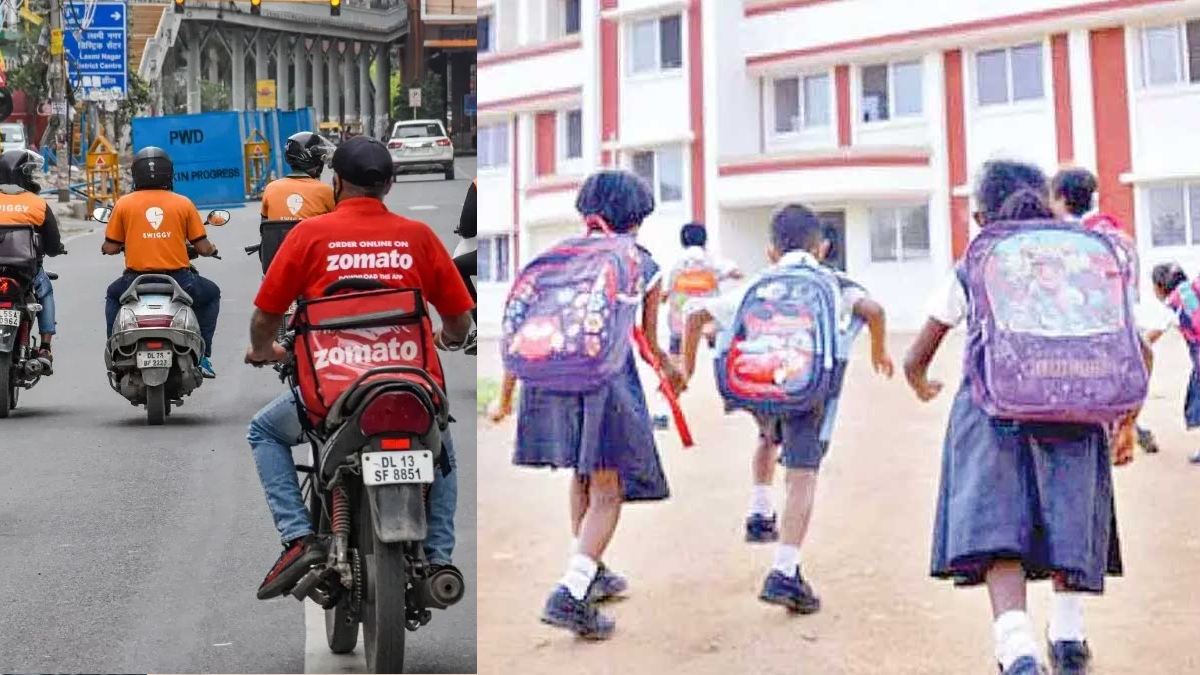
- Rapid Vehicle Explosion: More and more private vehicles (especially two-wheelers and cars) are arriving at the state with cars and people moving faster than roadway widening.
- Infrastructure Bottlenecks: The construction and ongoing works on metro (Namma Metro) development and flyover projects are required for future developments; however, they have created temporary, but severe bottlenecks for heavy traffic areas such as Outer Ring Road (ORR) and Sarjapur.
- Last Mile Connectivity: There’s still some time left for residents to finish a well-designed public transportation circuit and rely on private transport or online ride-hailing services.
Comparisons with Global and National Countries
Despite Mexico City topping the global charts, Dubai was third and Lodz (Poland) in fourth after Bengaluru. Bengaluru is not the only Indian city suffering within its borders. Pune, which has emerged to be the 5th most congested city in the world. While Mumbai is widely celebrated for its heavy traffic, even compared to the rankings in metro area, it performed significantly better, with an 18th place on the world scale.
The Path Ahead
The 2025 TomTom Index acts as a wake-up call for urban developers and the state government. With the “Silicon Valley” attracting foreign investment (and billions of dollars annually) all around it a world away from global challenges notwithstanding — the ongoing traffic crisis remains a threat to the quality of life and economic productivity of its citizens. Solving this will not be just about fixing roads; it will require an urgent drive for better public transport, more sophisticated traffic management technology and perhaps the reimagining of the growth model for cities in a center.