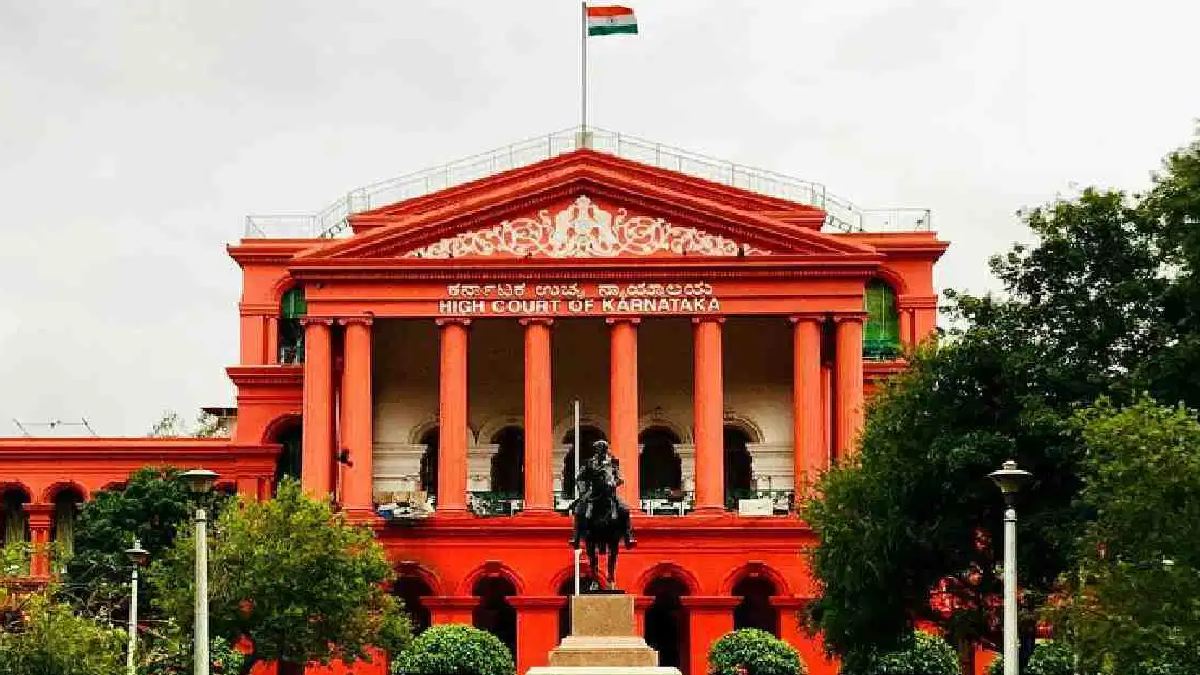
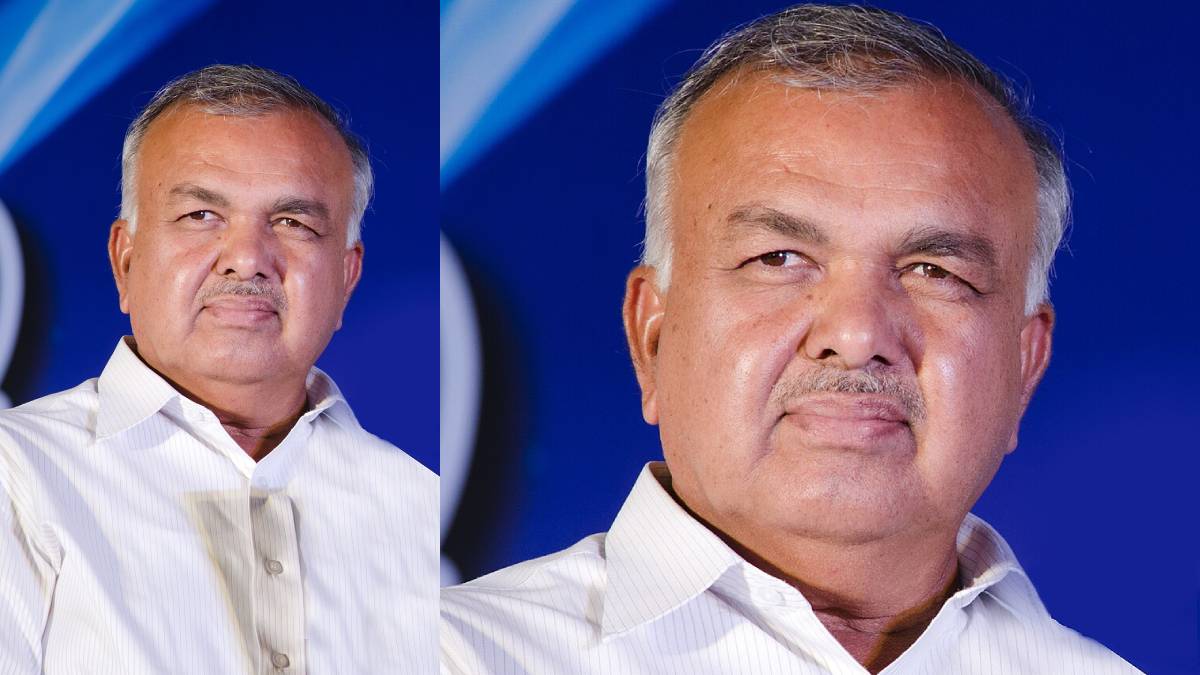
Karnataka Transport Minister Ramalinga Reddy has decided to ban advertisements on public transport for direct and indirect promotion of tobacco consumption. This ban will apply to buses and bus stops, which are run by the state’s four transport companies. The minister also has ordered removal of tobacco‑related advertisements that are already being displayed within a fixed timeframe. The decision represents government dedication to safeguard citizens, particularly those people (notably young) from the dangerous effects of tobacco advertising in public places.
Use of tobacco continues to be the leading cause of health problems in India, such as heart diseases, cancer and respiratory diseases. Tobacco use is glamorized in many advertisements and the result is that it seems in good fashions or harmless. In prohibiting such ads during public transport, the government of Karnataka is clearly expressing that the public spaces should serve health, not harm. Millions of people, from schoolchildren to college students to working professionals, take public transport every day. Tobacco ads in these spots may promote unhealthy lifestyle choices. Get rid of them and have a cleaner, safer place where people want to make better choices while they’re healthy.
- Advertvertising/Direct Pending Advertising: Pending advertisements such as billboards and posters, banners and hoardings that directly commercialise tobacco products.
- Indirect Advertising: Campaigns or images that neither mention tobacco, but encourage the use of smokeable products, such as by using images or connecting them with a brand.
- Locations: Each bus and bus stop is in accordance with the four state transport companies in Karnataka, ensuring a wide coverage effect.
That is the plan: The government is making sure that in addition to direct promotions, there are indirect promotions (because there are often loopholes that companies would use to continue to influence consumers).
Minister Ramalinga Reddy of India told officials to remove existing tobacco-related advertisements in accordance with predetermined deadlines. This is a guarantee for the ban of a policy announcement from merely being a ‘policy’ to being an ‘actionable’ decision. Transport authorities observe compliance and no new advertisement is put up in those spaces. The move is in accordance with national laws and guidelines that restrict advertising of tobacco products. By placing the ban at public transport points however, which it does, Karnataka will make a much-needed difference.
The ban is expected to produce the following positive effects:

- Lowered Exposure: Tens of millions of commuters will not see tobacco promotions as they travel.
- Youth Protection: Young people, who are more impressionable, will be insulated from advertisements as they may be more likely to begin smoking or chewing tobacco.
- Health Awareness: The lack of unhealthy ads makes for greater opportunities for healthy campaigns regarding fitness, road safety and wellbeing in society.
- Long‑term benefits you may have seen: in the long‑term, lower promotion can lead to lower tobacco utilization overall public health.
Tobacco companies may respond to this as a setback; but the societal benefits are worth it far outweighing any economic worries. The health costs attached to tobacco use are colossal — and reducing consumption can save families and the government huge amounts of money. In addition, the ban represents Karnataka’s status as a forward-thinking state that places citizens above everything else.
They will need rigorous monitoring to enforce the ban. A large number of companies have also tried indirect promotions using surrogate advertising, by promoting lifestyle products under one brand name. Officials will have to be on guard to keep the spirit of the ban intact. There’s also a challenge in eliminating the revenue that transport companies stand to miss through tobacco advertising. But with that also come opportunities for healthier partnerships, around education, tourism or digital services, for example.
Karnataka’s ban of advertisements for tobacco on buses and bus stops is a bold and well-earned step. In taking away such promotion from such public areas, the government is shielding its citizens, including the younger segment of the population in particular, from the perils of tobacco. This will lead not just to better public health but also, as the case is, open the way for other states to follow. Minister Ramalinga Reddy’s advice indicates that leadership is about making decisions with emphasis on individuals' health over profits. When the advertisements are removed, the public transport system in Karnataka will provide a symbol of health and safety.