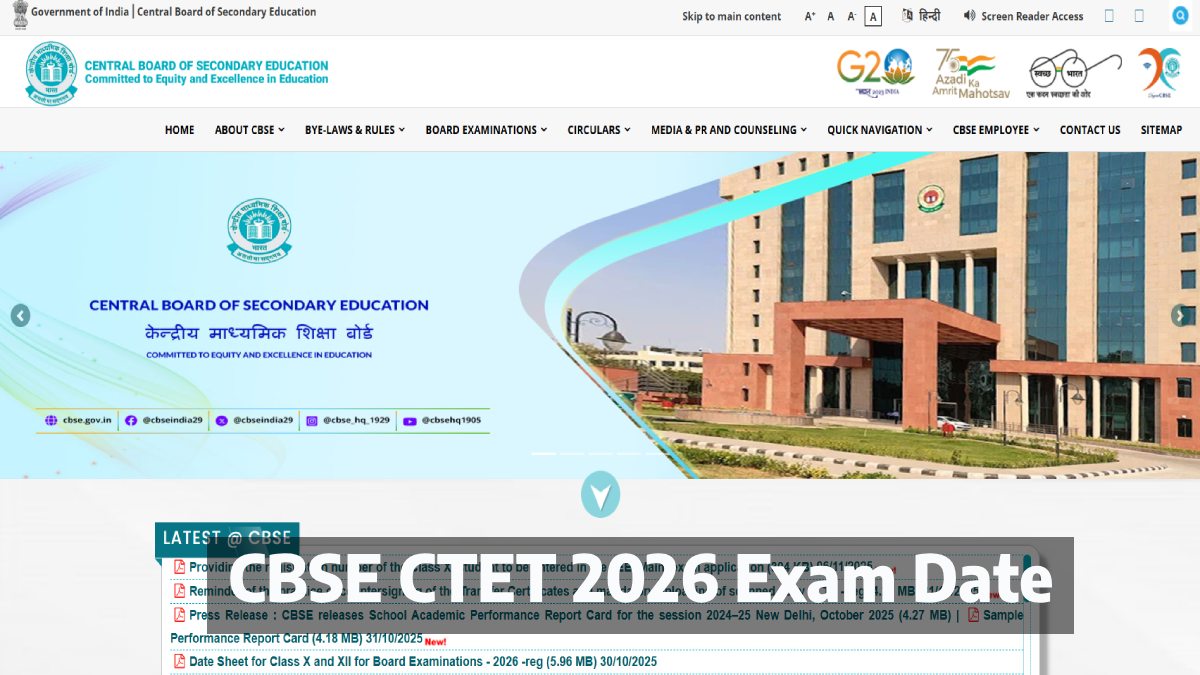
Central Board of Secondary Education (CBSE) has made a big change in its secondary education framework, which will now make classes 9 and 10 students need a third language as a compulsory subject under the National Education Policy (NEP) 2020.
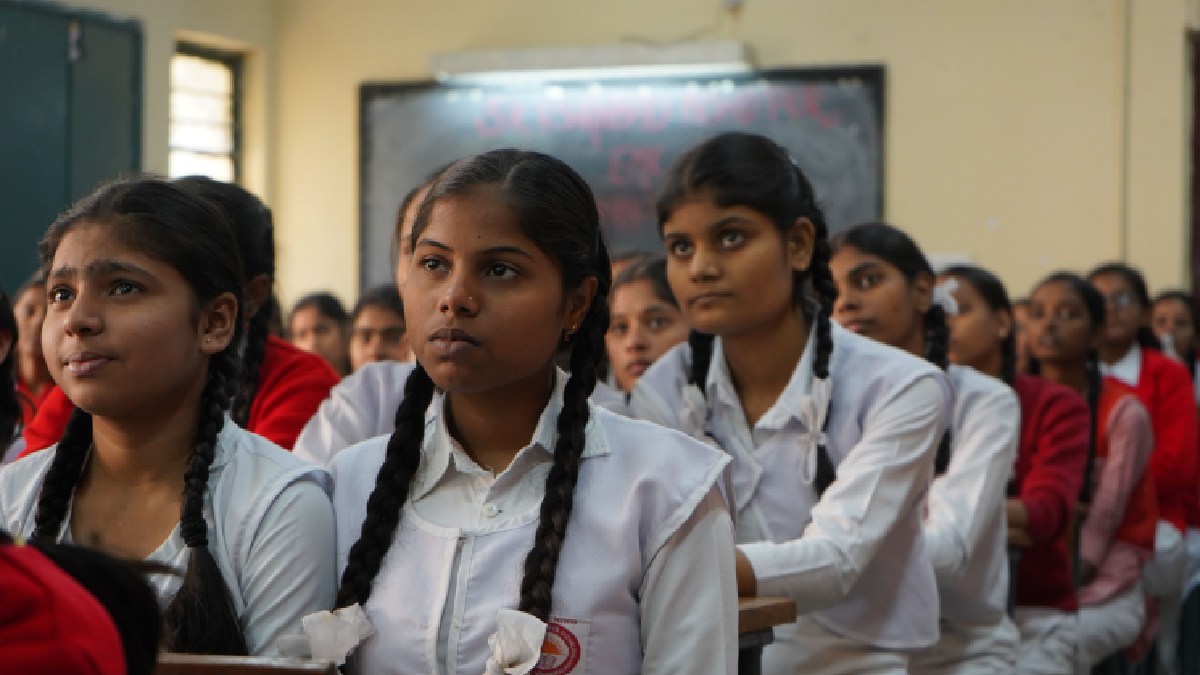
According to the Board, the new rule will be implemented for students who were enrolled in Class 9 in the 2026-27 academic session and Class 10 in 2027-28. The third language will not be included in the Class 10 Board examination, but students will still have to pass a school-based internal assessment in the subject to receive the Secondary School Examination pass certificate.
The revised policy aims to implement the three-language formula under NEP 2020, which promotes multilingual education and higher focus on Indian languages.
Third Language Now Mandatory to Pass Class 10
In a circular issued on July 10, CBSE clarified that students entering Class 10 from the 2027-28 academic session must qualify in the internal assessment of the third language, designated as R3.
Although the subject will not be evaluated in the Board examination, clearing the school-based assessment has been made a mandatory condition for passing the secondary school examination.

Students who fail to qualify in the third language assessment will not receive the CBSE Class 10 pass certificate until they successfully complete the required assessment.
Reassessment for Students Who Fail
CBSE has also outlined a process for students who do not clear the internal assessment on their first attempt.
If a Class 10 student fails the school-based assessment in the third language, the school will have to conduct a reassessment before the Board examination results are declared. This will give students another opportunity to meet the qualification requirement without affecting the overall exam timetable.
No Detention in Class 9
The Board has ensured that students will not be detained in Class 9 because of the new language requirement.
Class 9 students who fail the third language assessment will still be promoted to Class 10. However, they must clear the pending Class 9 assessment while studying in Class 10.
Only after they have completed all of that will they be eligible to obtain the CBSE Secondary School Examination certificate.
Who Will Be Affected?
The revised rules only apply to students entering Class 9 in the 2026-27 academic session.
Students who are already studying in Class 10 in the 2026-27 academic year will continue under the existing system and will not be required to study or qualify in the third language under the new policy.
Understanding the Three-Language Formula
Under the new framework, every student in Classes 9 and 10 will study three languages, with at least two of them being Bharatiya Bhashas (Indian languages).
Students who are already studying two Indian languages such as Hindi and Tamil can choose another Indian language or non-native language such as English or French as their third language of study.
Students studying one Bharatiya Bhasha and one non-native language will need to select another Bharatiya Bhasha as their third language.
CBSE has also provided a one-time relaxation for students entering Class 9 in the 2026-27 academic session. Meanwhile, those currently studying two non-native languages will be able to continue with them but must add one Bharatiya Bhasha as the third language.
NEP 2020 Implementation Continues
This is part of a phased implementation of the National Education Policy (NEP) 2020.
Earlier, on June 29, CBSE had announced the rolling out of the three-language formula for students from Class 6 onwards, starting with the 2026-27 academic session.
With the recent changes, the Board has extended the policy to secondary education, further supporting the government’s aspiration of multilingual learning with the aim of creating proficiency in at least two Indian languages for students.
The new framework will impact lakhs of CBSE students across the country from the 2026-27 academic session onwards, making school-based language assessments an essential requirement to complete secondary education.