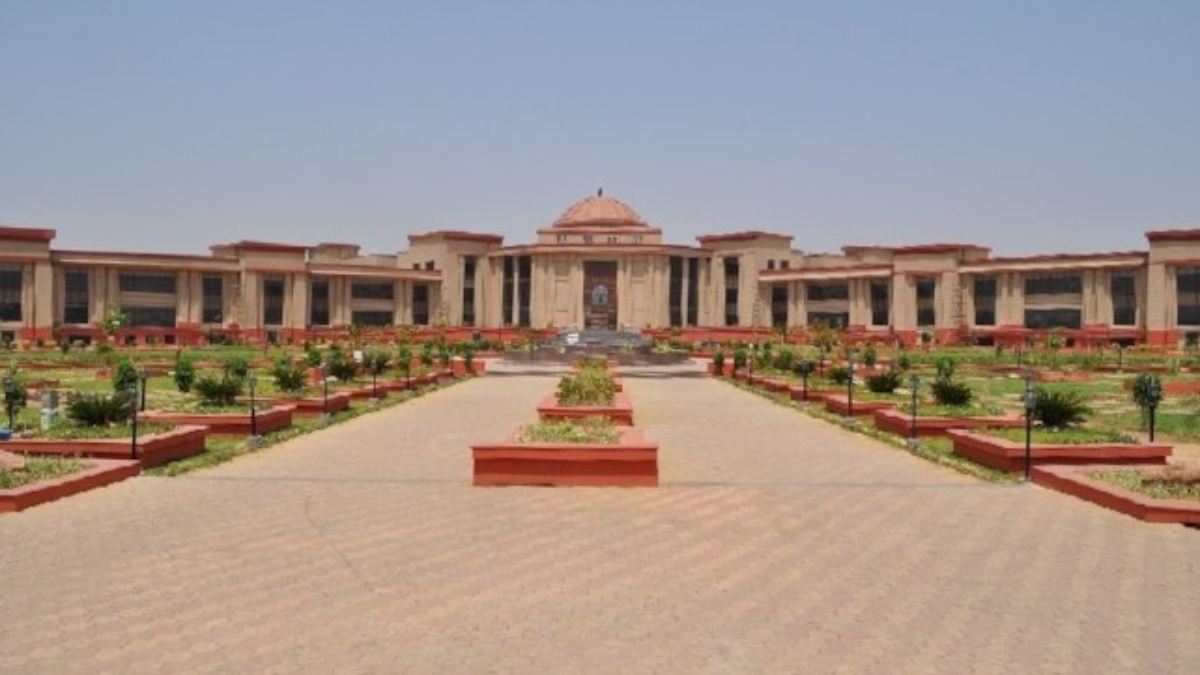
The Chhattisgarh High Court has taken a firm stance against the sanctity of public examinations by rejecting Jeevan Kishore Dhruv’s bail plea. Dhruv, a retired Indian Administrative Service officer and the Secretary of Chhattisgarh Public Service Commission, was arrested by the Central Bureau of Investigation in September 2025 and the time period was when allegations of recruitment fraud were unearthed in 2020 to 2022. In what was a strong sentence, an opinion by the high court was issued that people who leak question papers of competitive exams take part in such acts that are more heinous than murder because while murder is an assault on a single family, for thousands of young aspirants, that would be a huge blow to society as a whole.
The judicial proceedings follow a high-profile investigation into the CGPSC recruitment scam which has also implicated Dhruv's son Sumit Dhruv who had been selected as a deputy collector from the examination under investigation. Bibhu Datta Guru, who had reserved the verdict after hearings, said initial evidence from the prosecution indicates that the former bureaucrat had abused his position. The court records say that the accused had kept his confidential question papers of the 2021 Main Examination while in office and gave them directly to his son. Investigators reportedly found documents, witness statements, and electronic evidence at the applicant’s house that General Studies and Essay paper were physical copies of the application as written in this case and the document was presented to the applicant in his possession.
During the legal argument, Dhruv’s defense counsel maintained that the retired officer was falsely implicated since he was in a position of official service and was not initially named in the first police report. Dhruv was to be officially notified of his sons and asked to be removed from the confidential duties, the defense argued, pointing out that it was clear from the official records that those were transferred from the official service. Moreover, they also argued that Dhruv’s sons were not eligible and the other was at the bottom rank and that this disproved the claim of systemic favoritism. However, the Central Bureau of Investigation was much against the petition and focused on the gargantuan scale of the conspiracy and how it hurt public confidence.
The prosecution stated that Dhruv, along with the current CGPSC chairman Taman Singh Sonwani and other officials, were involved in large scale corruption. Offering the defense to have legal parity, the prosecution said Dhruv was in a high-ranking public position that was meant to protect the integrity of the institution and his case was different from the previously released private co-accused. The high court said the gravity of the allegations and the specific violation of trust warranted the continuation of his judicial custody as the investigation of corruption continued.