Delhi has seen some of India’s biggest public protests in the last decade and a half. From the 2012 protests after the Nirbhaya case to the 2021 farmers’ tractor rally, large demonstrations have repeatedly tested the city’s security agencies’ preparedness.
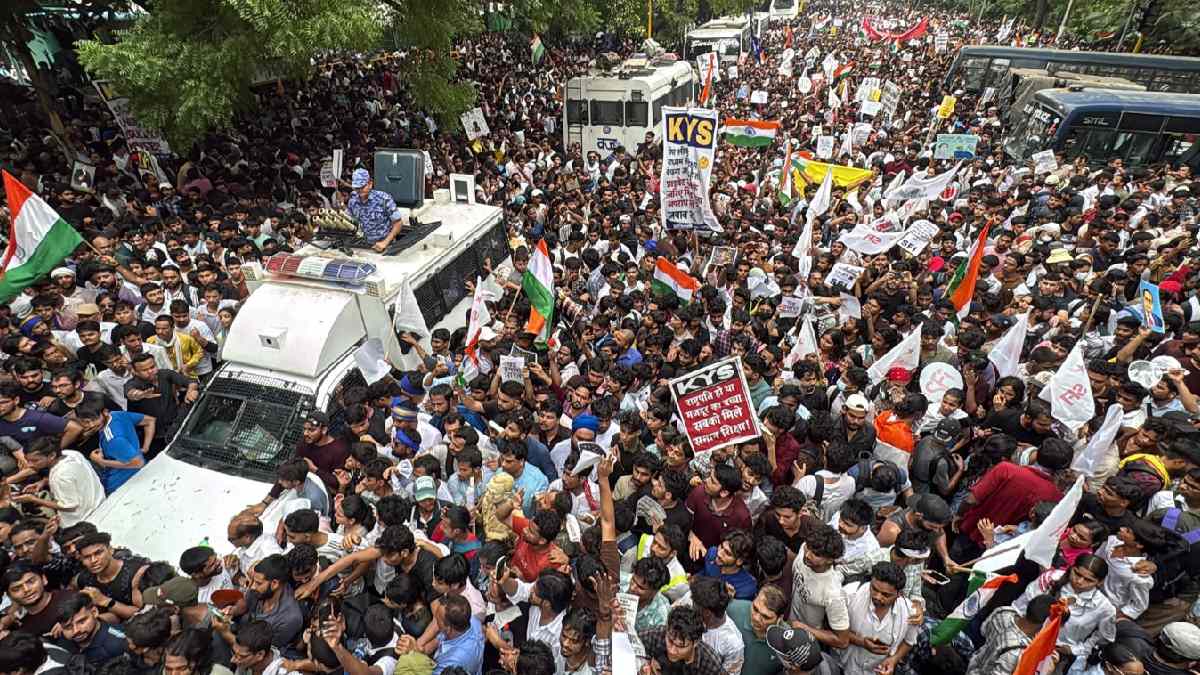
The Cockroach Janta Party (CJP)-backed protest this Monday raised similar questions about whether the scale of public mobilisation was underestimated.
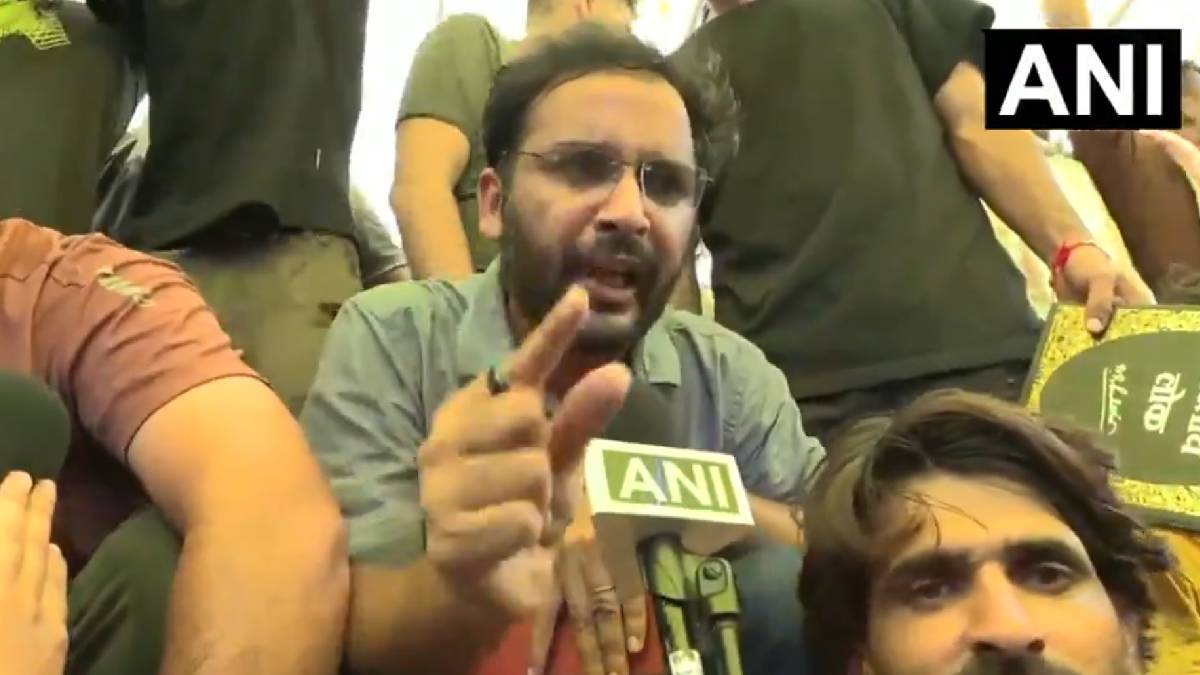
The protest, which appeared to be a “Sansad Chalo” march to demand reform in the education system, was quickly turning violent as demonstrators converged on police officers at Parliament. The size of the gathering was much bigger than expected, and security forces were struggling to hold it back.
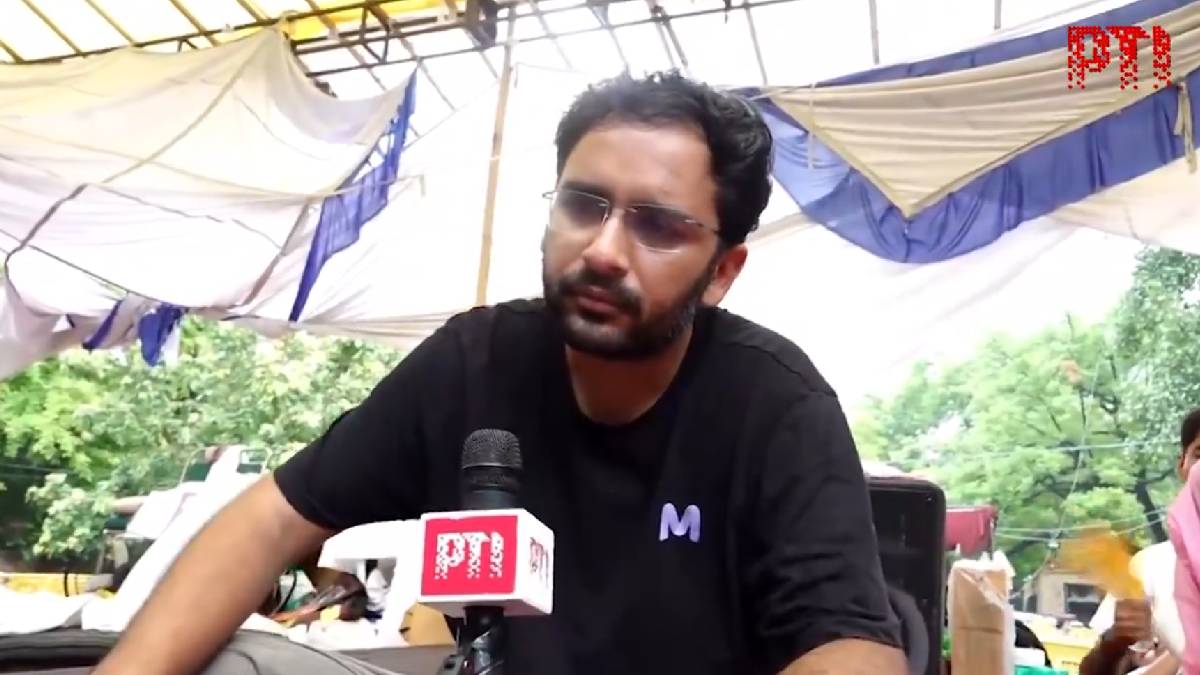
The protest had been going on for weeks. Activist Sonam Wangchuk had started an indefinite hunger strike on June 28 demanding accountability for the NEET-UG paper leak controversy and calling for the resignation of Union Education Minister Dharmendra Pradhan. At first the protest did not draw much attention. But the removal of Wangchuk from the protest site and hospitalisation on July 18 seemed to trigger a fresh wave of public anger.
The number of supporters at Jantar Mantar increased over the next few days. Police intelligence initially estimated tens of thousands of people, but the crowd that turned up on Monday was far more robust.
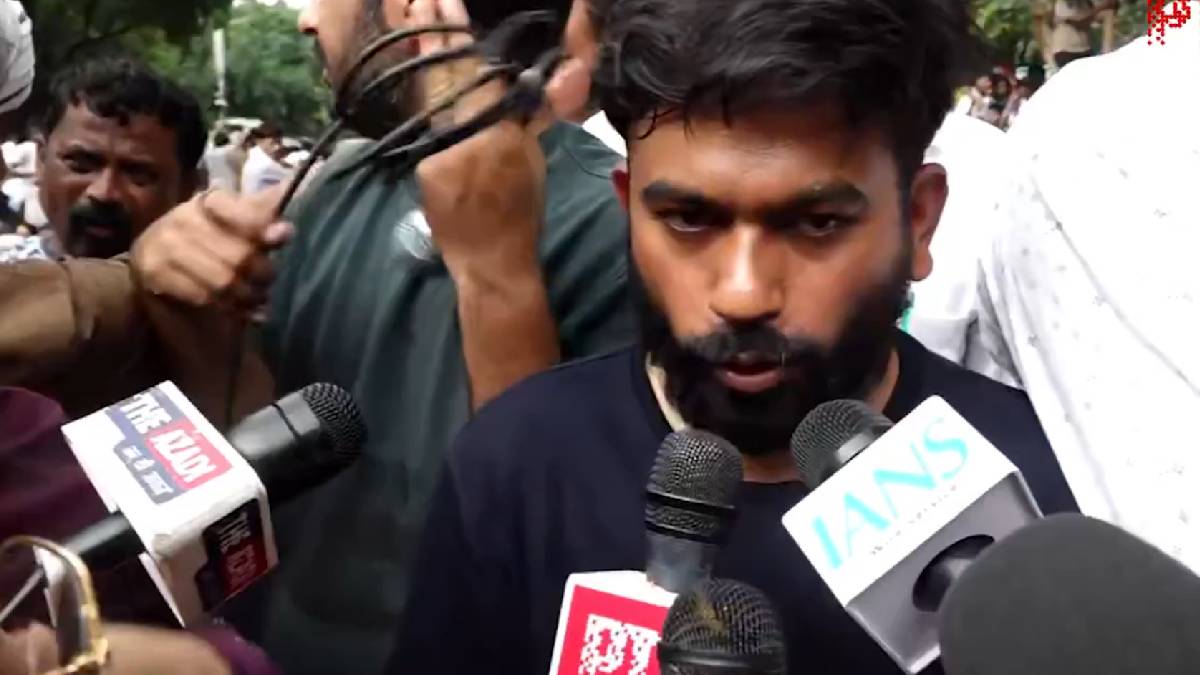
Students, parents and other young professionals and supporters from neighbouring states have also shown up at the protest, the newspaper said. The fact that teenagers were also there showed the level to which the issue of education was resonating with young people.
Delhi Police maintained that the CJP had neither asked nor received permission for a march to Parliament. The protesters marched to Sansad Marg and finally broke through barricades and confronted security personnel.
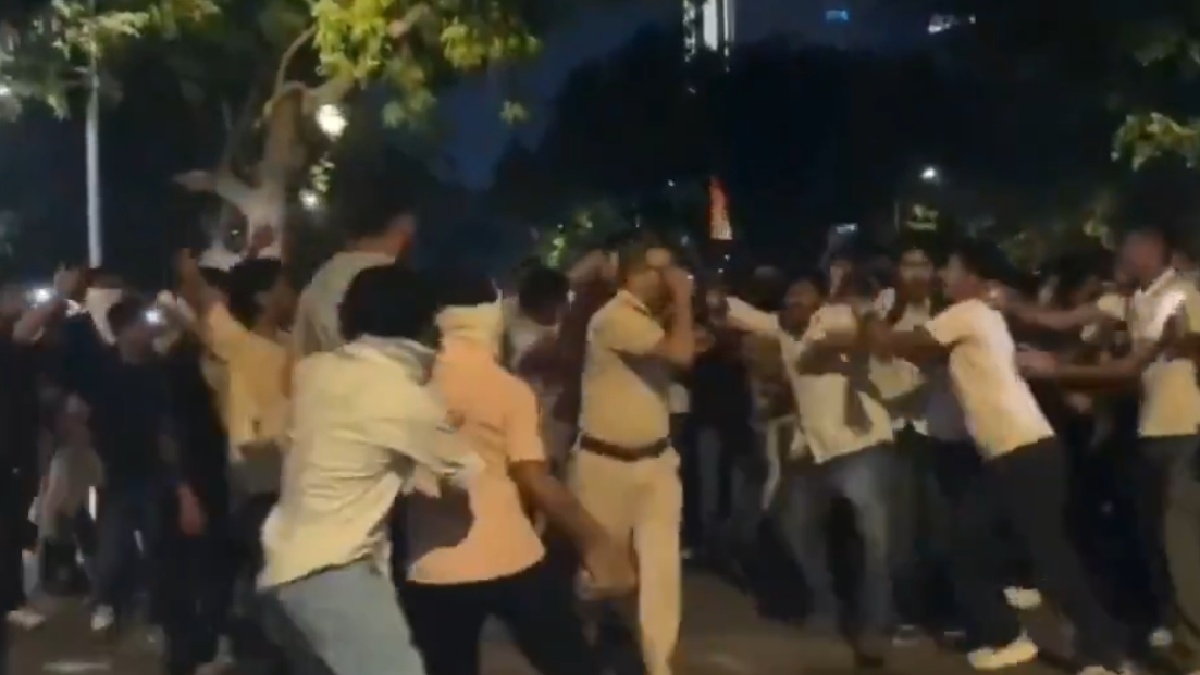
Police fired tear gas and batons to disperse the crowd. Police and people in the crowd were injured, and many casualties were reported. There were video clips on social media of clashes and claims of force but the circumstances of individual incidents are still under investigation.
Authorities also had to face questions about their preparedness. Security personnel were initially deployed in large numbers, and the internet shutdown was designed in light of the smaller demonstration expected, and restrictions were extended and security measures introduced as the crowd grew and tensions rose.
The closure of several metro stations in Delhi also created chaos, leaving thousands of commuters stranded across central Delhi.
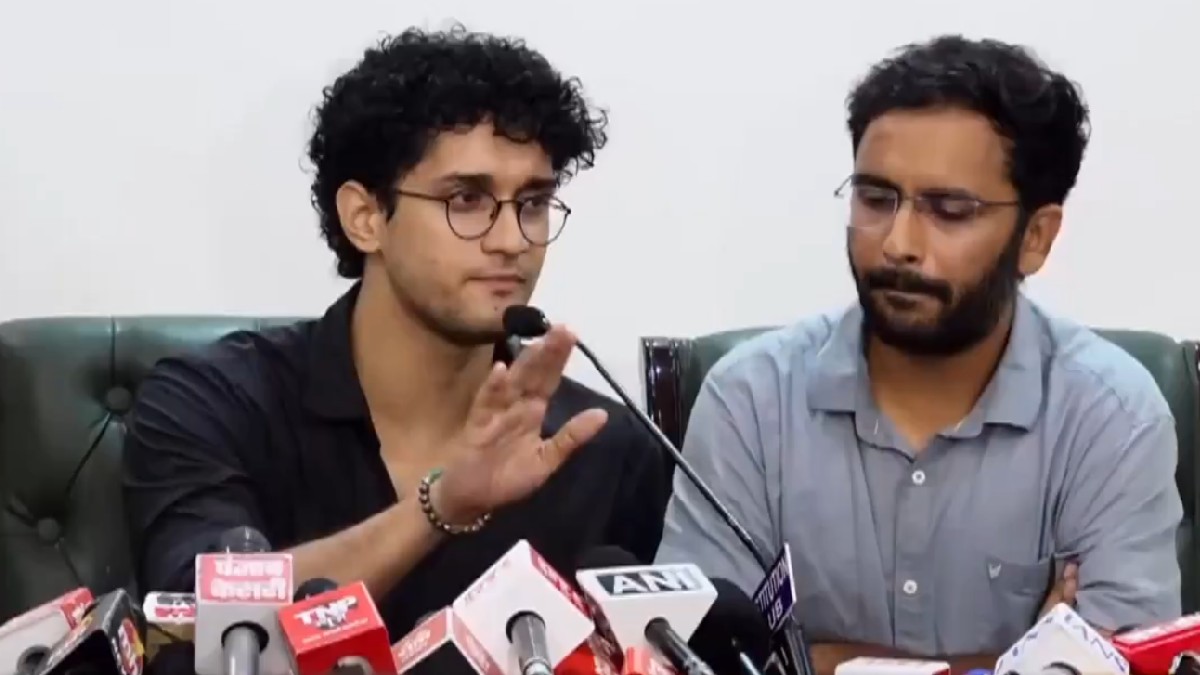
The Centre tried to engage with protest representatives and Union Health Minister JP Nadda met CJP leaders. The protesters wanted Wangchuk’s release, the resignation of the Education Minister, and compensation for families of students who died by suicide. But there was no immediate agreement.
Police also believe outsiders or miscreants could have infiltrated the protest and contributed to the violence. CCTV footage, mobile recordings, and drone visuals are all being used to identify those involved with vandalism or attacks, they said.
The things that happened have raised the bigger question: would it have happened if the authorities had noticed the rising public anger earlier?
The CJP protest had been active for weeks and the developments surrounding Wangchuk had already attracted wider attention. But meaningful dialogue with the protesters only started as the agitation grew into a major law-and-order problem.
For Delhi Police and the government, Monday’s events could be a reminder that public protests can grow quickly in the age of social media. A single demonstration that seems manageable one day can be a mass mobilisation in hours.
Not only who was responsible for the violence but also whether early intervention and better crowd assessment could have prevented the situation from reaching the doors of Parliament.