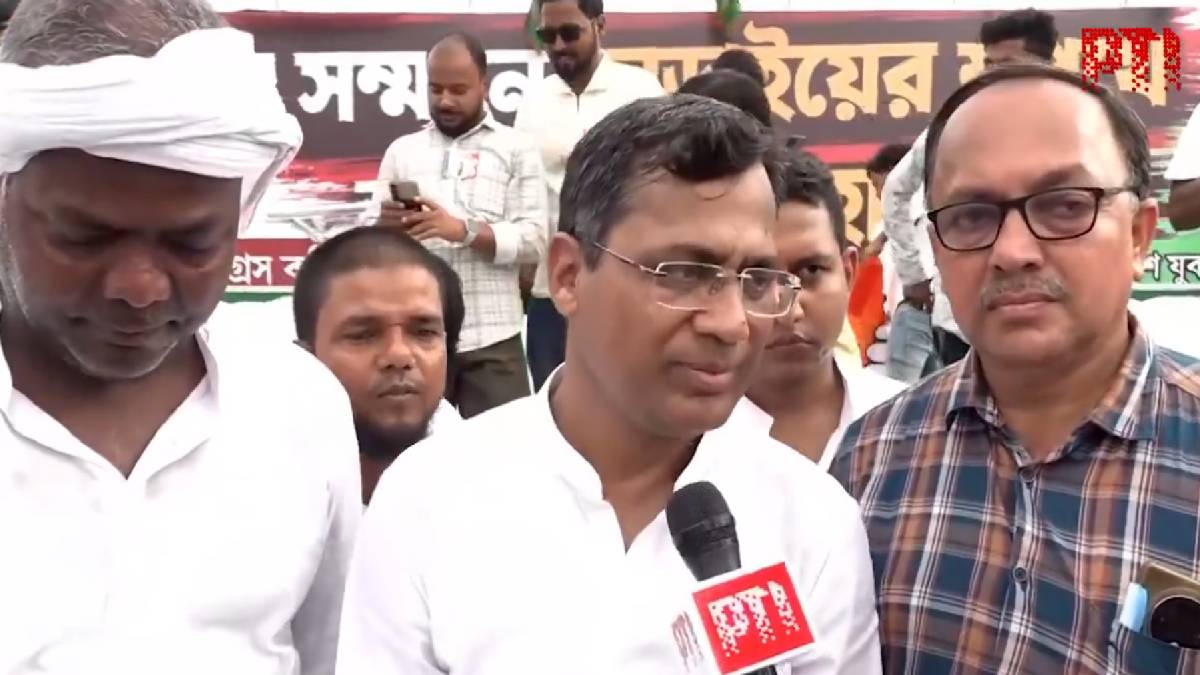
The Chhatra Juba Parishad (CJP) has resumed its protest movement after the unrest which erupted on the recent Parliament march, with the organization slamming its meeting with BJP National President JP Nadda as a "waste of time." A new chapter of agitation is in place as the student and youth organization continues to press its demands and insists that talks without tangible results are not enough.
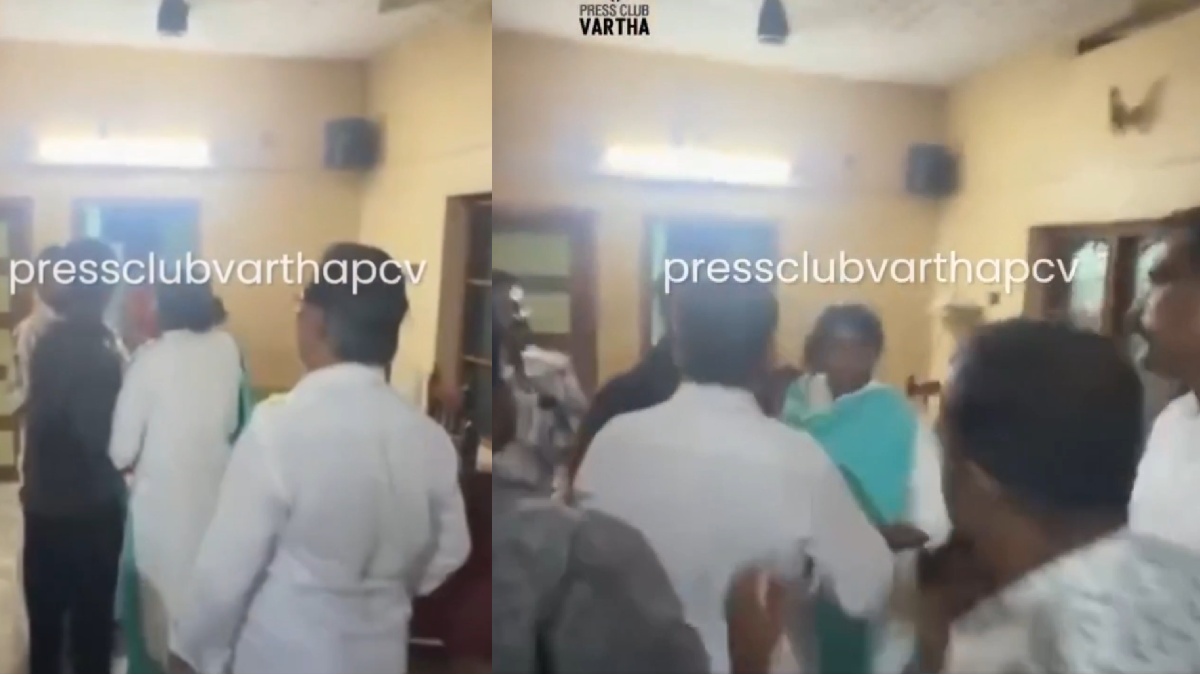
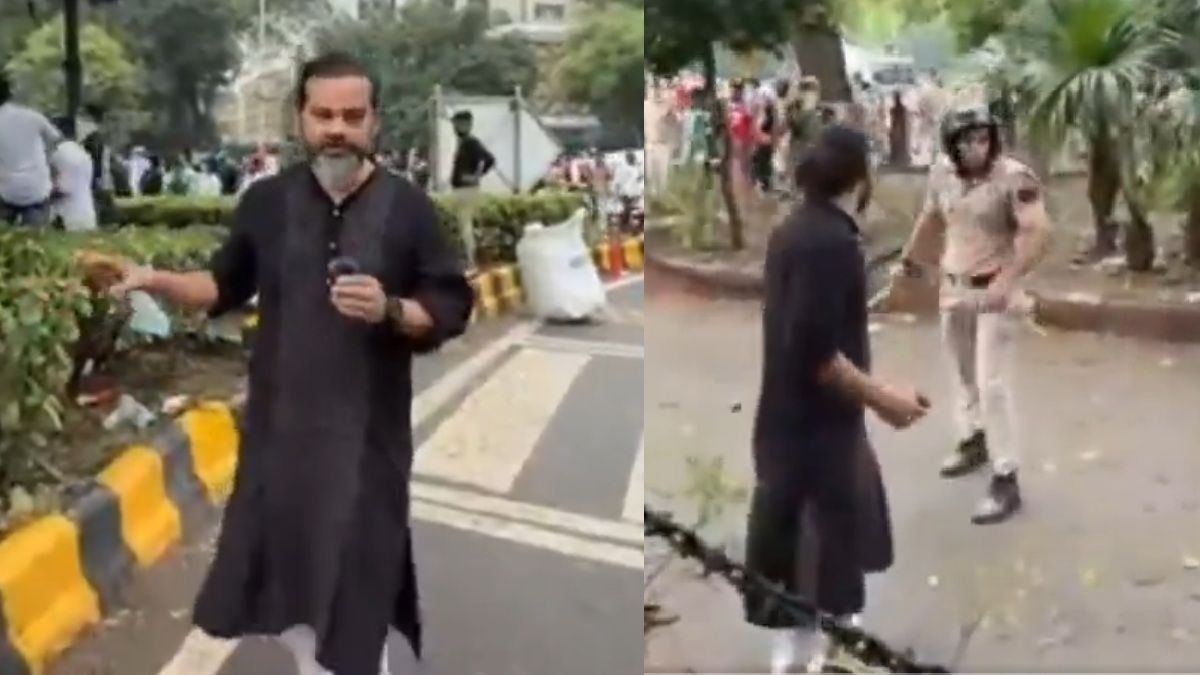
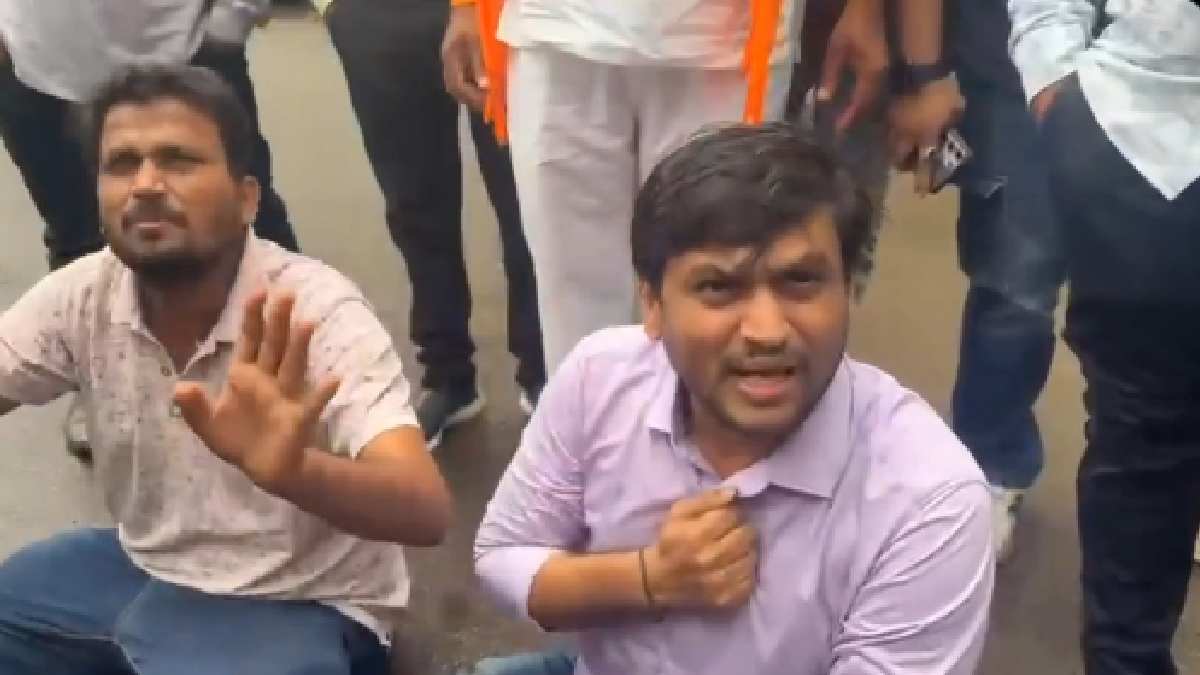
The Parliament march organized to bring out the organization’s grievances and demands was tense, and clashes broke out between students and security personnel, resulting in disruptions and injuries, drawing attention from political parties and civil society groups.
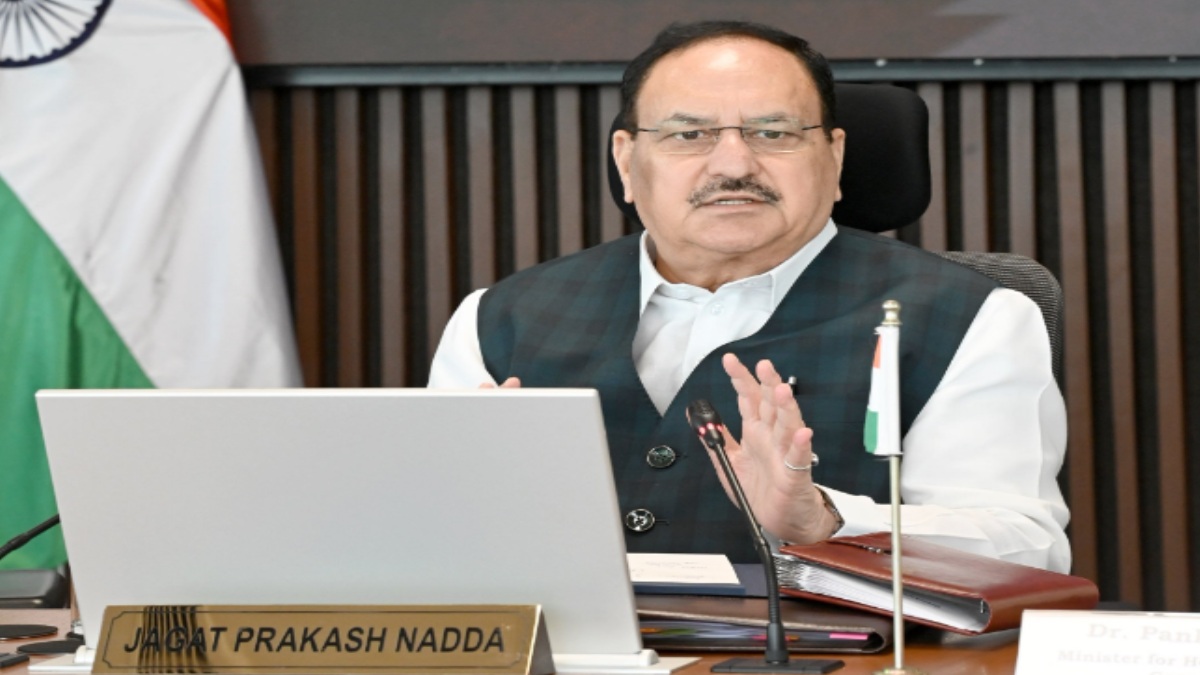
After the violence, representatives of the Chhatra Juba Parishad met JP Nadda to try to resolve the problem through dialogue. After that meeting, the CJP leaders expressed disappointment that the meeting did not give any concrete assurance or commitment on their demands.
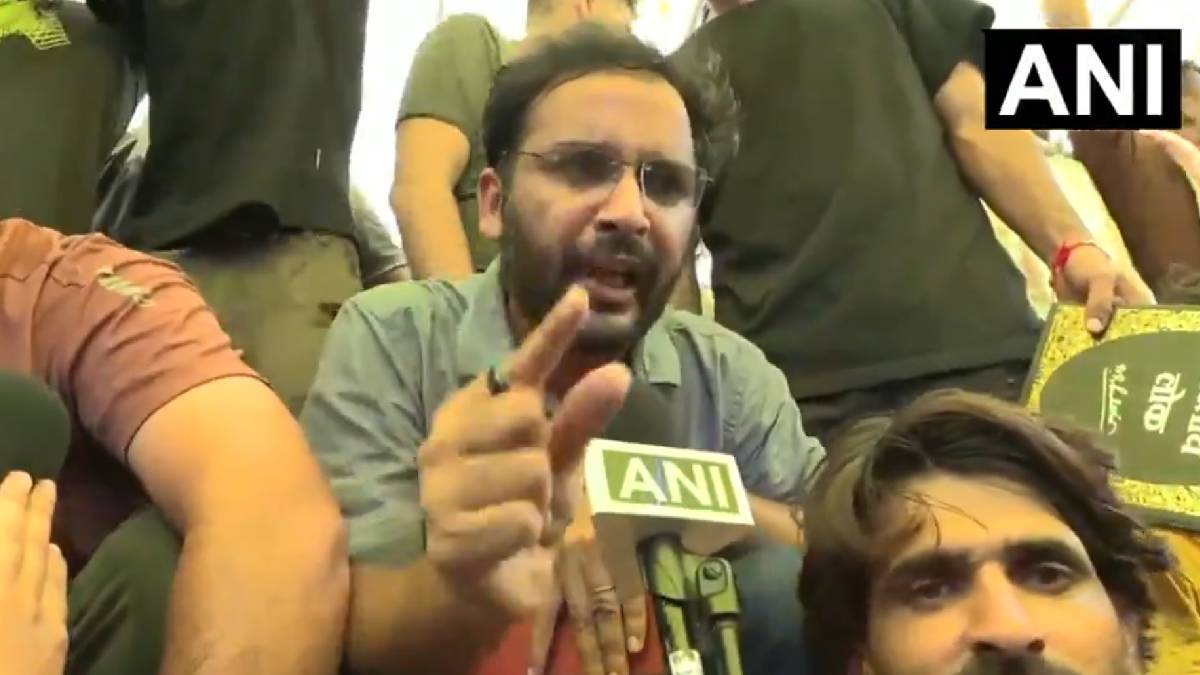
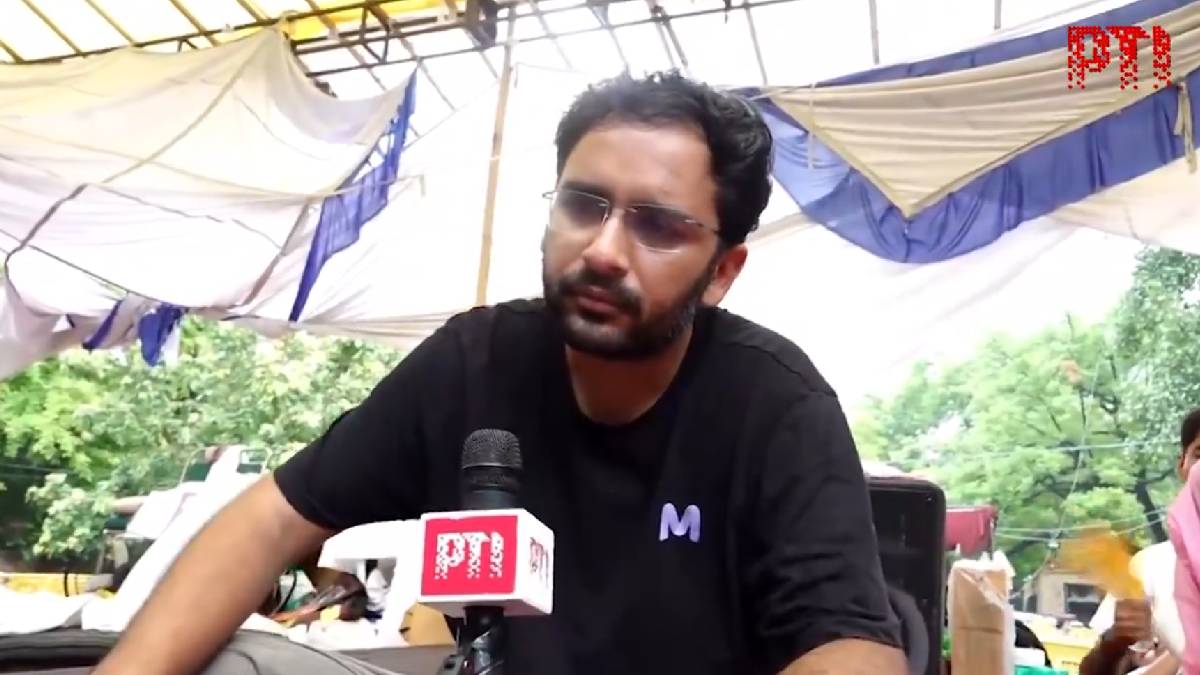
The CJP leaders also spoke after the meeting to supporters, and told them they were expecting a positive engagement and concrete action to take place, but the discussion was not serious. Calling the meeting a waste of time, they said that the organization would continue to protest until the relevant authorities were able to solve the problems of the group.
The new demonstrations drew students and youth activists and supporters in groups and on banners and placards with slogans for their cause. Protest leaders said their movement would be peaceful and democratic and that public demonstrations are an essential way to articulate concerns when dialogue does not translate into action.
Although the organization has repeatedly stated its desire for meaningful discussion, it also maintained that the negotiations must be made with practical solutions rather than verbal statements. Repeated meetings without implementation would only prolong public anger and delay the resolution of the issues the CJP represents, CJP representatives said.
Political observers feel that the new wave of protests is indicative of the difficulty of solving politically sensitive issues through dialogue alone. Talks between protest groups and political leaders are often held for long periods of time, they say, and it is important for the people to know that the political leaders are listening and that they have trust that they can’t just say yes or no; they need to be involved as a matter of course.
The Parliament march violence has also fueled debate about crowd management, security arrangements, and the right to peaceful protest. While authorities have defended the measures taken to maintain law and order, protest organizers maintain that people should be allowed to express their views peacefully without unnecessary confrontation.
The incident has attracted reactions from all parties, with some calling for restraint and continued dialogue, and others criticizing the handling of the protest. Analysts believe the developments could impact the political discourse around governance, public participation, and democratic participation in the coming weeks.
In areas where new demonstrations are expected to take place, local governments have beefed up security and deployed additional personnel to ensure that protests remain peaceful. Officials have appealed to organizers and participants to cooperate with law enforcement agencies and avoid any actions that could lead to further violence or public inconvenience.
The Chhatra Juba Parishad maintains that its movement is issue-related and is about the democratic process to solve problems through a democratic model. It has called for supporters to be disciplined during demonstrations and to continue to mobilize public opinion in favor of its demands.
Political experts point out that protests have historically been a vital aspect of India's democratic structure, giving citizens and organizations a platform to voice concerns and seek policy changes. But they also emphasize that long-term dialogue between governments and stakeholders is critical.
The protests will continue, and it remains to be seen if the CJP will try to resolve the differences between the organization and the political leadership again when it is ready. But for now, the CJP will continue its agitation until it gets what it believes it is owed by the government.
There will be much drama to come in the coming days as protest leaders and government representatives will assess if there will be renewed talks and whether any further escalation of tension will happen.