New Delhi: There are serious questions on the conduct of Delhi Police after journalists, cameramen and independent media workers were allegedly assaulted while covering a student protest at Jantar Mantar.
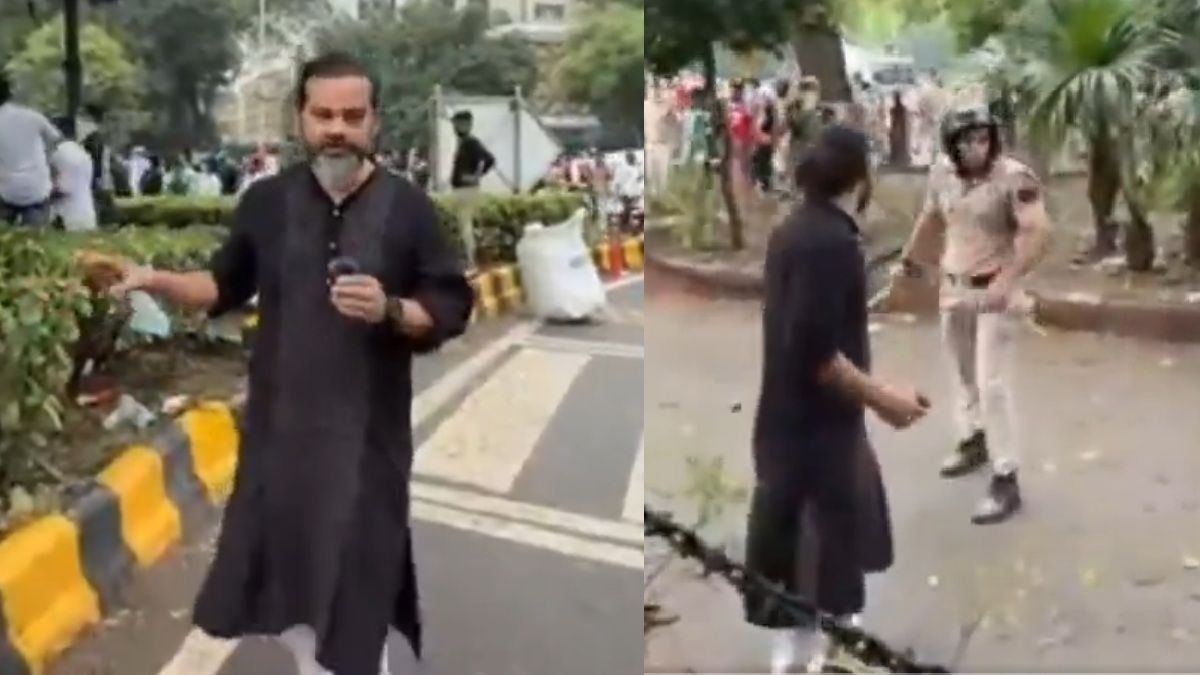
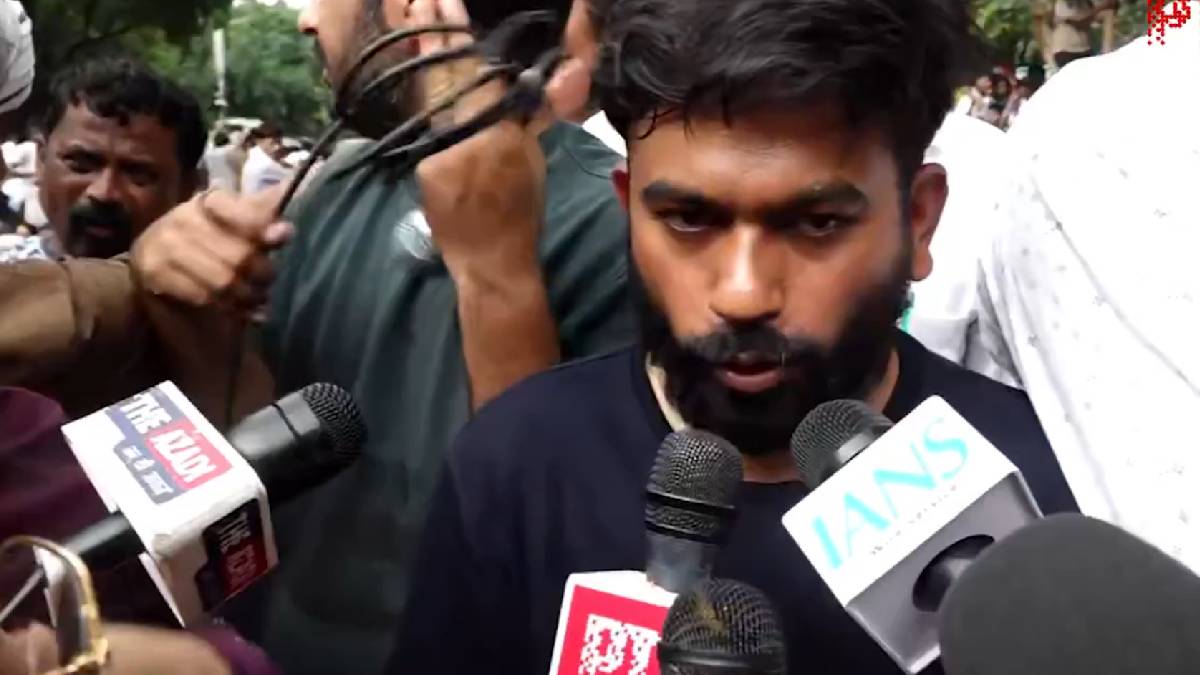
Among those caught in the police action was Baramasa editor and senior journalist Rahul Kotiyal, a two-time Ramnath Goenka Award winner. Reports circulating after the protest said Kotiyal was beaten with batons while carrying out his journalistic duties and suffered serious injuries.
The alleged assault on an award-winning journalist has been met with great indignation by journalists and civil society observers who have questioned why journalists would be targeted when they are covering a public demonstration.
The protest has also raised questions of how the people who were at the protest, such as independent digital journalists and content creators, are treated, they say.
The journalist and YouTuber Samdish Bhatia, along with his cameraman, were also assaulted and threatened in the course of the clash, too. However, the identity and status of the individuals involved remain unclear, although some reports have claimed they were in civilian clothes. Their identities and whether they were police officers have not been independently established.
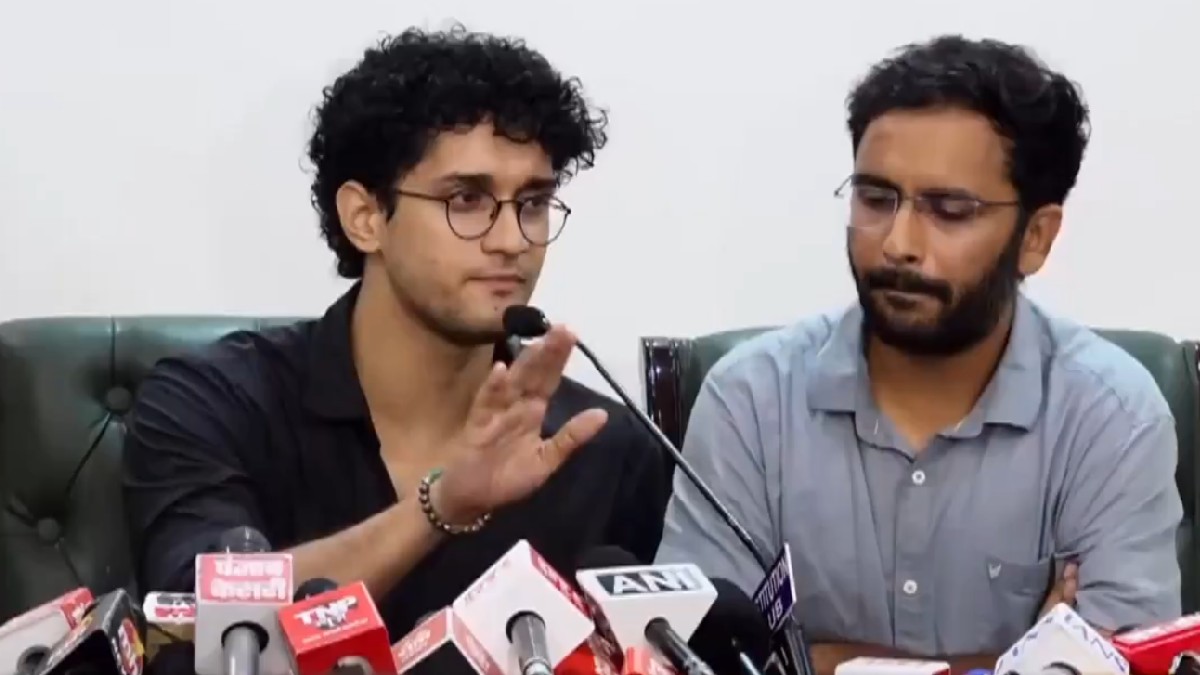
Other digital journalists and creators such as Sarthak Goswami and PeeingHuman also alleged they were assaulted in the police action.
The increasing number of accounts has fueled criticism of the Delhi Police, especially for the claims that journalists were beaten despite clearly performing their job. Video appears to show police members and protesters, journalists and other members of the public in violent clashes. Independent verification of each video is needed to understand the full context and authenticity of the videos.
The most worrying thing is that the violence didn’t seem to be restricted to protesters. If journalists were assaulted while reporting from the site, it raises a fundamental question about the right of the press to work without intimidation.
The allegations have grown more shocking as women have been manhandled during protests and minors have been injured. It is in this regard that a thorough and objective investigation should look for video and medical records.
But it's already clear the situation is not good.
A police force responsible for law and order cannot treat journalists as adversaries just because they are documenting its actions. Reporters and camera crews covering protests should be able to work without fear of being beaten, threatened or forcibly removed from the scene.
The alleged assault on Rahul Kotiyal, if proven, is particularly alarming considering his record as an award-winning journalist. And his case has become a symbol of the larger concern being raised by journalists: that recording or reporting police action can itself be a reason for retaliation.
The Delhi Police have to answer some serious questions. Were journalists identified before force was used? Were plainclothes personnel involved? Were any officers responsible for assaulting media workers? Were complaints filed, and will there be an independent investigation?
The authorities cannot dismiss every video as “misinformation” without doing a transparent inquiry. At the same time, individual allegations have to be independently verified before criminal responsibility is assigned.
What is clear is that images and accounts emerging from the protest have led to a very disturbing picture.
India’s democracy is based not only on elections and Parliament but also on journalists being able to report what happens on the streets.
If journalists are beaten while performing their job, then we are not talking about one protest.
It is now a question of freedom of the press, police accountability and citizens’ right to know what is happening in their own country.
The alleged violence at Jantar Mantar must not disappear into the news cycle. Every complaint should be investigated. Every injured journalist should receive due process and accountability. And every police officer found to have used unlawful force should face action.
Because a free press cannot function when the camera itself becomes a target.