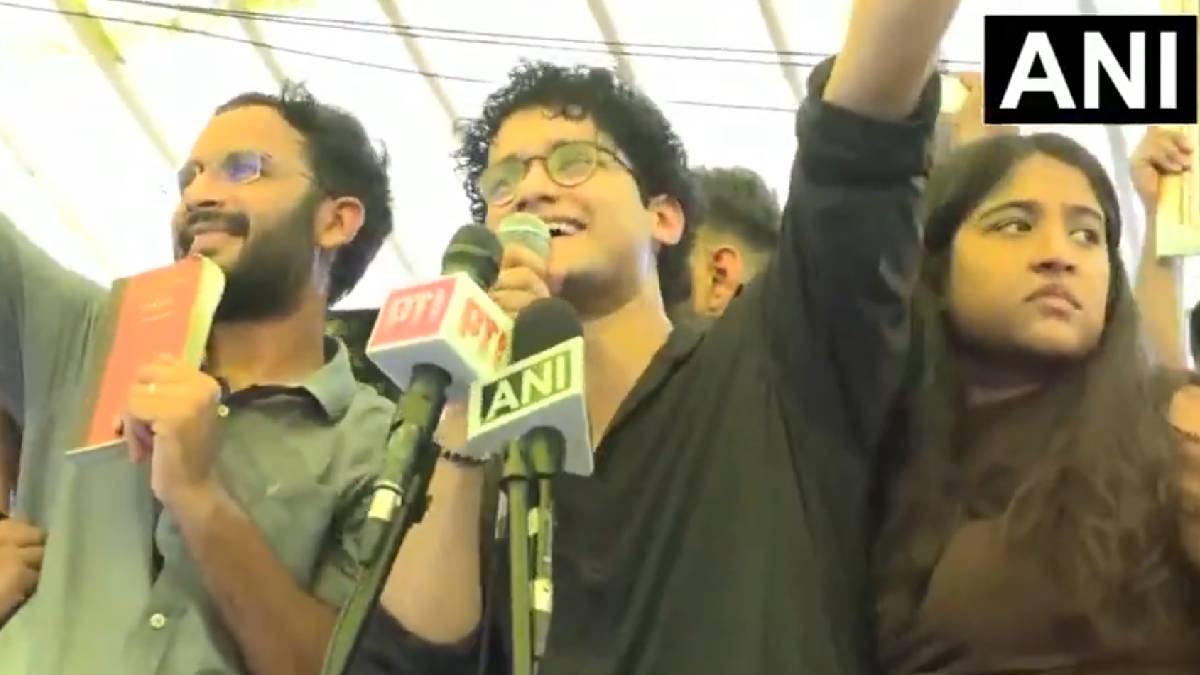
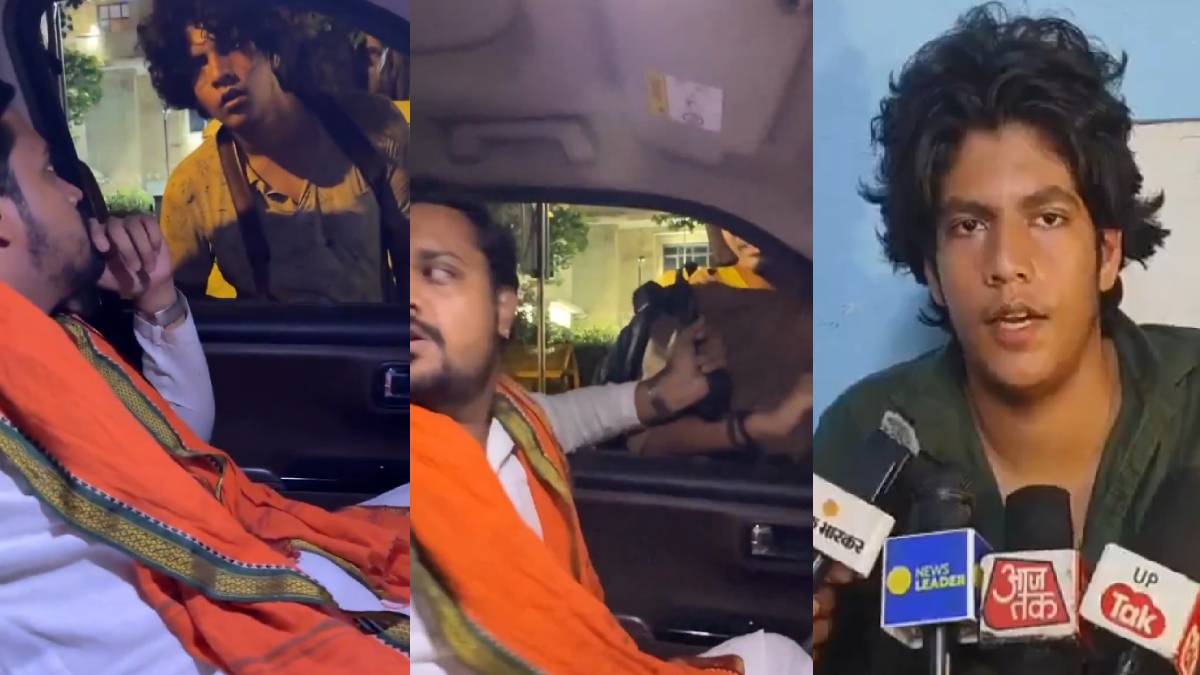
The allegations on social media of food orders coming from Qatar for protesters at Jantar Mantar to provide meals for those gathered at Jantar Mantar have led to a new political debate of foreign involvement in public demonstrations. They were shared widely among internet users and there have been concerns that overseas financial support for protest-related activities might pose a security issue.

According to the viral claims, people in Qatar were allegedly placing online food orders to be delivered to people participating in the protest at Jantar Mantar in Delhi. The posts also claimed that the alleged overseas support reflected foreign involvement in domestic political events and called for authorities to investigate the source of such funding.
Meanwhile, as of now Indian authorities have not publicly confirmed that foreign funding was used to fund food supplies for the protest. There is also no proof public media has released to support the social media claims.
The allegations spread very quickly among social media users who had differing views. To that end, some wanted to question the source of any money provided by foreign people to support the demonstrations and how money from abroad to support the demonstrations can be made and whether it is illegal to be done; others warned that viral social media posts should not be taken as facts without any official verification.
Political observers say claims about foreign funding often attract much attention in India because of the legal frameworks in place for international financial contributions to organizations receiving foreign donations. Foreign contributions are governed by the Foreign Contribution (Regulation) Act (FCRA) and other laws and the same applies to organizations that receive foreign cash. Whether such provisions are applicable in any particular case depends on the facts gathered through an official investigation.
The security experts said if there was credible evidence of illegal foreign financial involvement in activities contrary to Indian law it would be examined by the appropriate investigating agencies. However, so far there is no official announcement that links the alleged food deliveries to any illegal foreign funding.
We live in a world of digital delivery and online food delivery for many people on the internet to order food online from all around the world. In today’s interconnected world, people can order meals online to family members or for charitable purposes in another city or even another country through digital payment systems. This is not to say that all transactions are unlawful, or that there is foreign influence.
Legal practitioners stressed that you should not make conclusions based on screenshots or social media posts without independent verification. They also stressed that the basis of any law has to be based on transaction records, payment sources, intent and other evidence to be verified by competent authorities.
But this has also raised the level of political discussion around the ongoing protest. Some political voices have said that more transparency about logistical support received by demonstrators should be revealed and allegations should not be accepted without some kind of scientific evidence.
Authorities have not issued any statement that they have found evidence to support the viral claims. If an inquiry is launched, investigators would probably look at financial records, digital transactions, and any other relevant material before coming to a conclusion.
Misinformation experts also suggest that highly charged political situations often produce unverified claims that spread fast online. They urge the public to verify the official statements, verified reporting and evidence-based information before making such claims public.
The debate is emblematic of broader questions about transparency, accountability and the impact of digital platforms on big public events. Technology can help people reach out and help them out remotely, but only in the context of clear and accurate knowledge of Indian law should we engage.
Delhi: A delivery agent at Jantar Mantar says, "They told me to give it to anyone, whoever the students or others are there. This order is from Qatar. Someone told me to take it there and give it to the students..." pic.twitter.com/yjFoRGozjG
— IANS (@ians_india) July 22, 2026
When this is up to now, there is no official body to comment on the allegations. But at present, there is no government body to publicly confirm whether food supplied to protesters was funded from abroad or if there was a legal breach.
The episode serves as a reminder that viral social media narratives can quickly shape public discourse, so we need to distinguish between allegations, verified facts, and findings of official investigations.