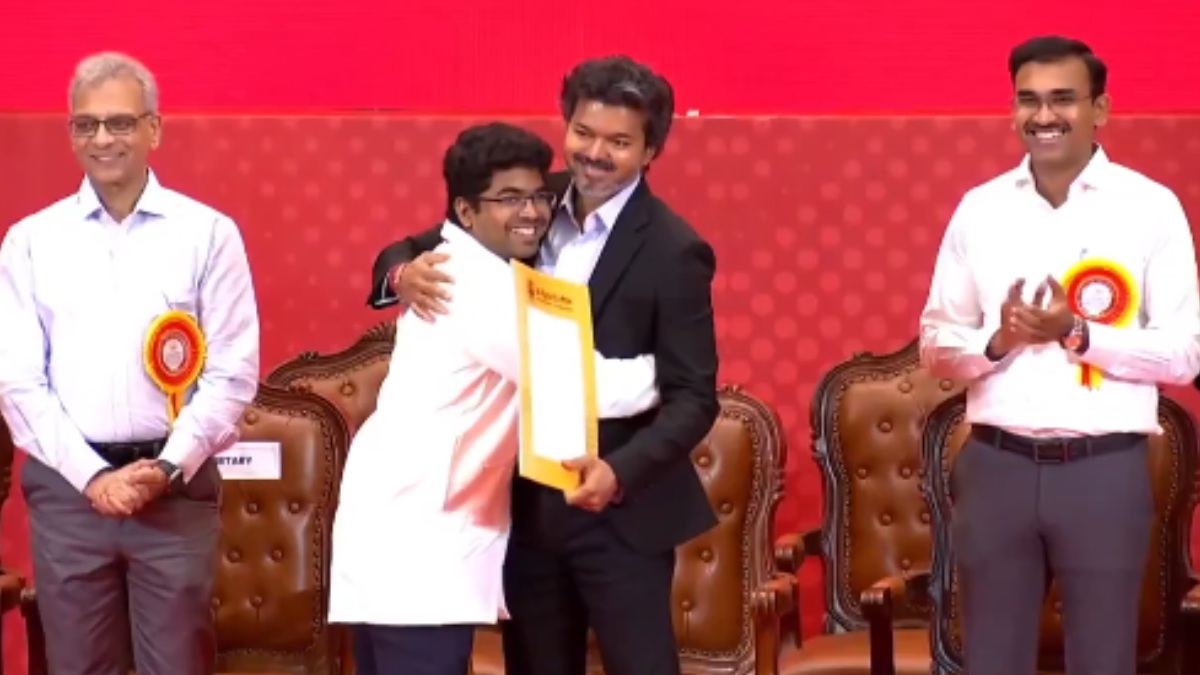
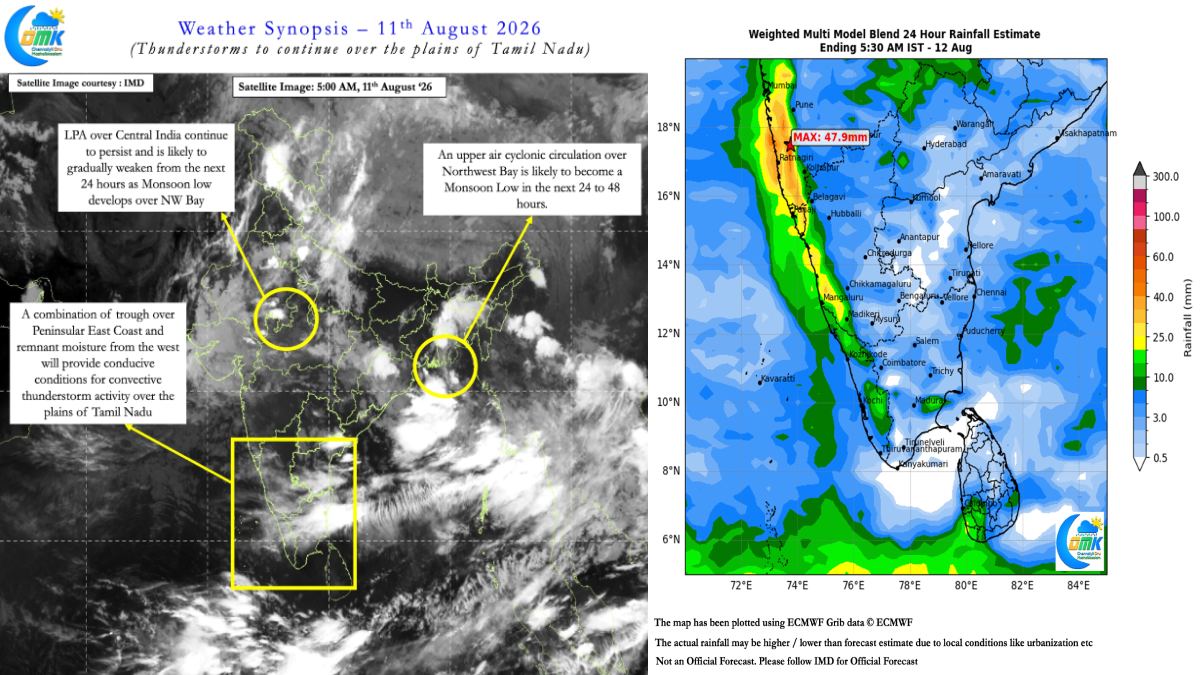
Today, C Joseph Vijay convened a review meeting to formally hear progress on Karnataka’s proposed Mekedatu dam project on the Cauvery River, reaffirming Tamil Nadu’s opposition to its development amid growing tensions over inter-state water sharing.
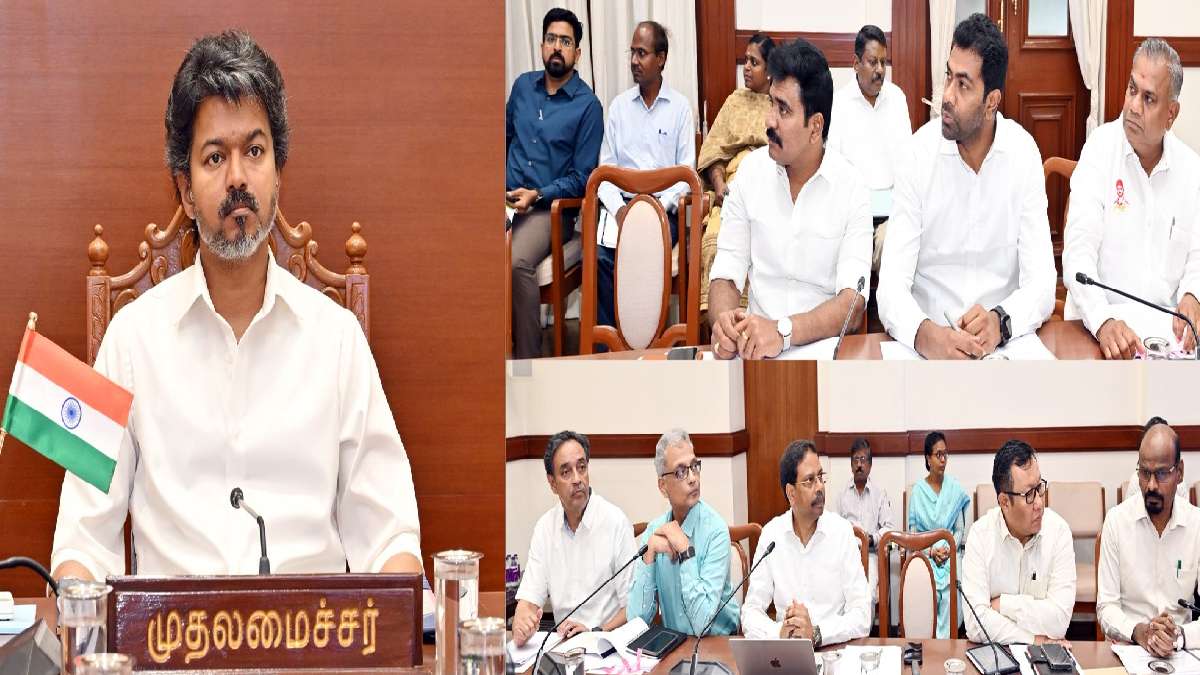
The meeting was also coinciding with the “Bhumi puja” or groundbreaking ceremony Karnataka, conducted after the controversial Mekedatu balancing reservoir project. Those deliberations were in place to preserve Tamil Nadu’s legal rights across the Cauvery waters and protect farmers who depend on the river basin for their livelihoods (an official statement later revealed the aim of the process).
The meeting featured the senior leadership and ministers who were present during the proceedings, consisting of ministers N Anand, Adhav Arjuna and R Nirmalkumar and Advocate General Vijay Narayan. After comments from the Supreme Court recently, the Tamil Nadu government has reviewed the legal status of cases against the Mekedatu Project.
But the Supreme Court previously dismissed Tamil Nadu’s petition for a review of an earlier ruling, which found that only central expert bodies could determine the technical and legal aspects of such projects, the statement noted. But, of course, it has not succeeded.
The state government is presently actively pursuing its case against the proposed dam. Chief Minister Vijay ordered the powers-based regulatory entity to fast-track legal and regulatory consultation and to continue to process the case through competent judicial and administrative functionaries sitting before the courts.
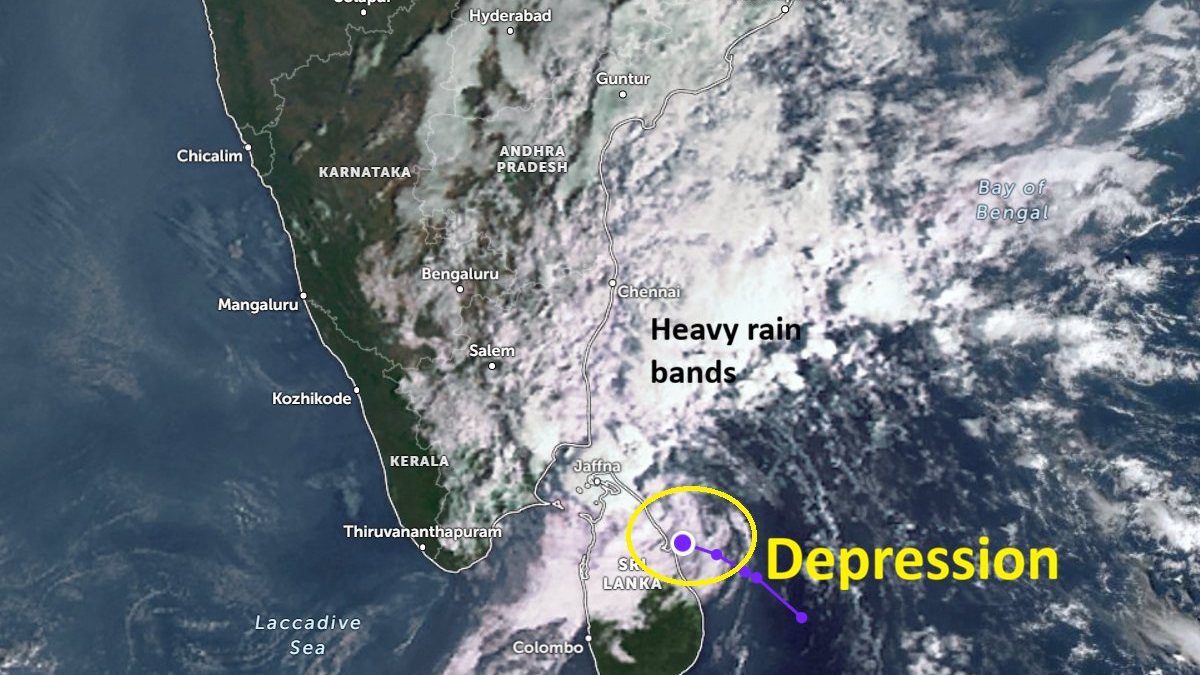
After lengthy discussions about this, he said the decision should follow in the footsteps of a High Court decision to make further protests in front of the High Court, at which point debates could continue. For example, if the project were to be brought to a halt, Tamil Nadu could well rely heavily on its argumentations.
Karnataka has claimed that the planned Mekedatu project is mainly designed to satisfy the increasing demand for drinking water for Bengaluru and to supply hydro-generated energy. It has been said that a balancing reservoir would not disrupt existing water-sharing relations in the Cauvery but would allow greater utilisation of water storage.
Tamil Nadu has opposed the project for decades, arguing that a giant reservoir upriver will disrupt downstream water flow and will worsen the availability of irrigation and drinking water for a few zones on the river. And being a lower riparian state in the Cauvery basin, Tamil Nadu has maintained that the project constituted a threat to the delivery of existing water distribution mechanisms established through tribunal rulings and court rulings.
The water dispute over the Cauvery is still one of the most fraught inter-state river water controversies in India. Karnataka v Tamil Nadu is not unusual, where there is not much rainfall. The Mekedatu project has become a lightning rod between the two states that has drawn political drama, protests and lawsuits.
Tamil Nadu officials and local farmer groups have fiercely opposed the project due to its creation being said to change the environmental patterns of the supply of water that is essential for the growth of agriculture in their delta region.
On the other hand, the Karnataka leaders continue the project with a similar rationale cited: an increasing population in Bengaluru, increasing water use needs and upgrading of water management infrastructure. And it may be said that the Tamil Nadu government is primed to continue its relentless legal and political assault on Mekedatu, with the issue once again coming back.