A growing shortage of Compressed Natural Gas (CNG) has disrupted transportation in numerous large cities in India especially in Hyderabad. Thousands of auto-rickshaws, taxis and commercial vehicles are not working and waiting in long queues at fuel stations so commuters and the drivers get stuck.
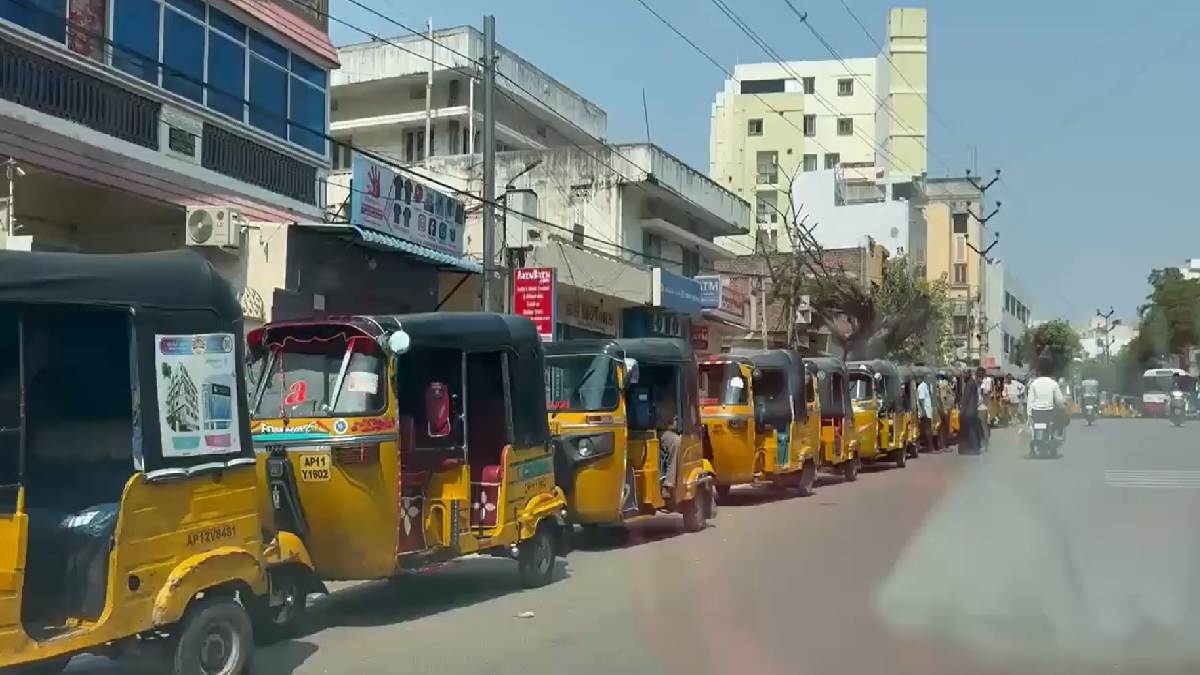
The shortage has resulted in extensive waits at refueling stations, of which CNG drivers have had to wait long lines and many have stayed overnight to get fuel. Some auto drivers have suffered longer waiting times of about hours because of this too.
Impact on Public Transport
CNG is a core fuel of public transport vehicles in such cities as Hyderabad, so there has been an acute shortage causing the system to be disrupted. Cars and transportation by app-driven taxis and apps which is the backbone of last-mile transportation are at breaking point. People are now facing longer waiting times, high fares as well as diminished access to cars.
Drivers have voiced their anger about the situation and said their lives were being hurt. “We spend hours in line, and sometimes we still don’t get gas. How are we supposed to earn?” another auto driver told us from a crowded CNG station in Hyderabad.
Reasons Behind the Shortage
Experts identify the problem not only with the supply chain disruption but also the rising demand in an aging nation and global energy market turbulence. In an environment such as India where energy prices and gas shortages and the pressure to use natural gas to make it available have deepened and have not been lessened by geopolitical tensions due to geopolitical tension over gas consumption and imports are rising.
Building and distribution system barriers have been exacerbated by CNG distribution in multiple parts of the country and infrastructure constraints have made there even a further difficulty. Meanwhile demand for cleaner fuels like CNG has soared and supply systems can struggle to scale up too.
Ripple Effects Across Cities
This is not only evident in Hyderabad now, but we see the same challenges in other urban areas like Delhi, Mumbai and in Bengaluru. The shortage is now bearing some impact on logistics, delivery services as well as on small business which can depend on CNG-driven vehicles.
Government and Industry Response
The experts say in the short term some relief is expected and in the medium-to longer term they are preparing to work with gas suppliers and alternate ways of distribution. Drivers and commuters are going to keep suffering now in spite of this.
Experts believe long-term solutions could be to develop domestic gas production, develop good storage capacities, and diversify energy sources in order to combat dependency on imports.
CNG shortage has exposed the vulnerability against, and vulnerability to, India’s energy supply chain in this industry which is increasingly dependent on cleaner solutions. As cities grow faster and demand rises, a supply of fuels such as CNG will be critical at the end of the day all at once. Now commuters and drivers are bracing for further strain; for some time now at least until this status changes.