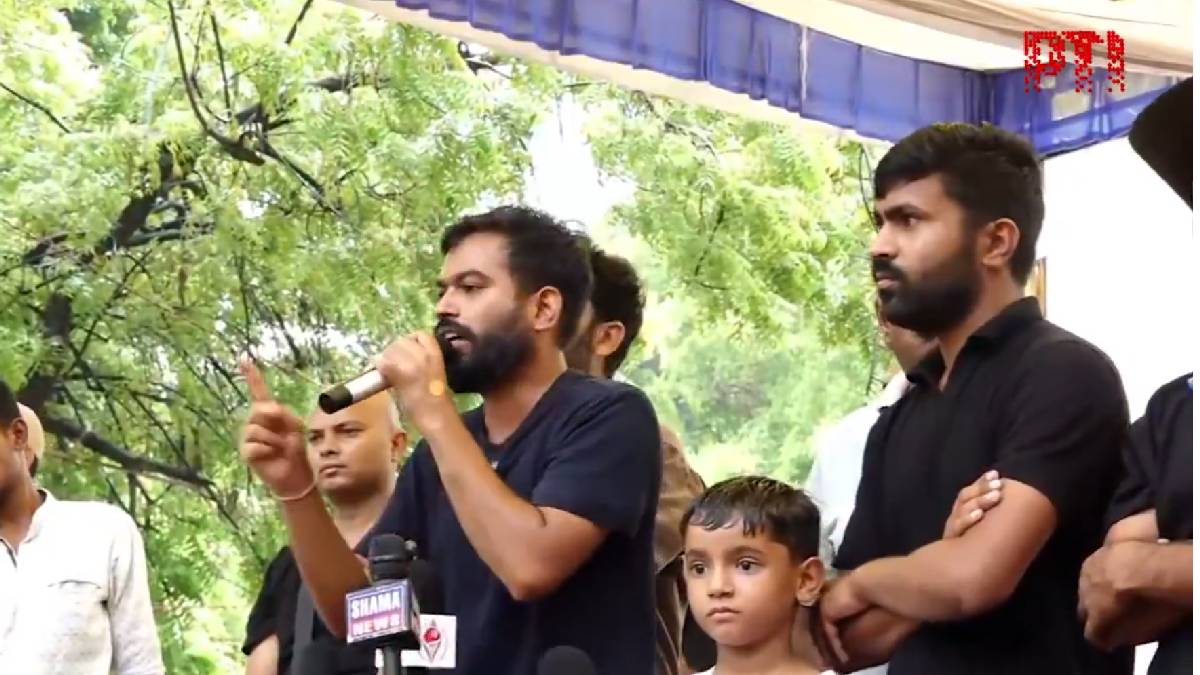
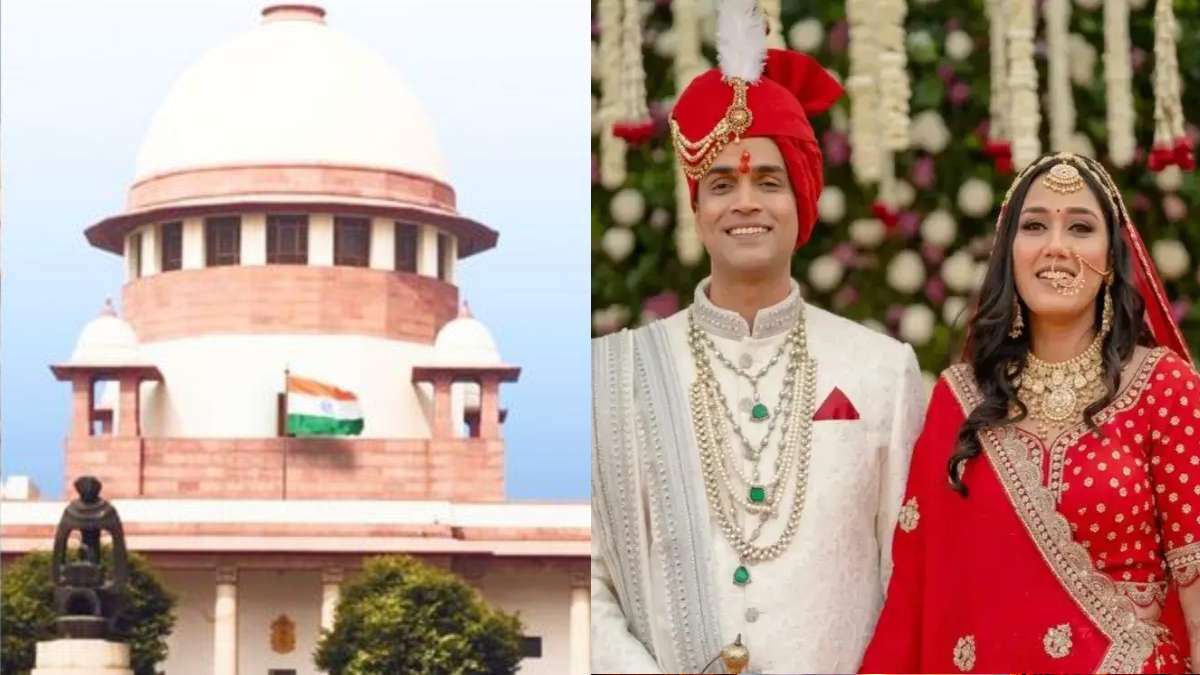
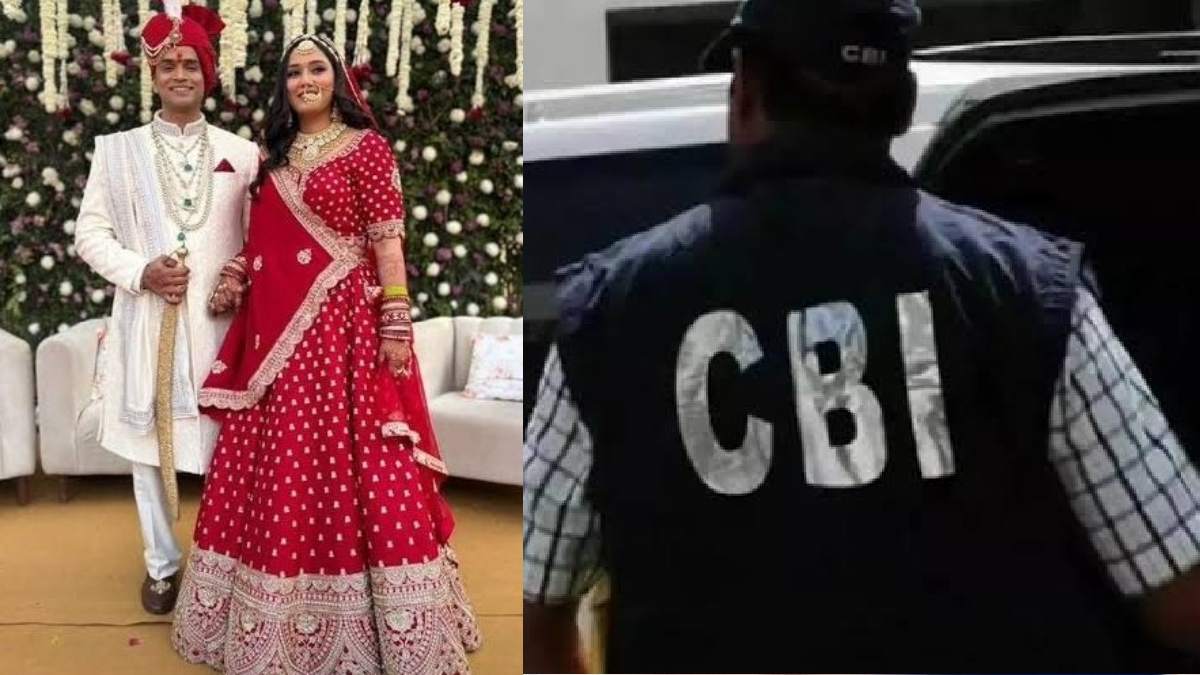
The case of the high-profile death of Twisha Sharma is being looked into, as a court has placed her husband, Samarth Singh, under police detention for seven days after he surrendered at Jabalpur.
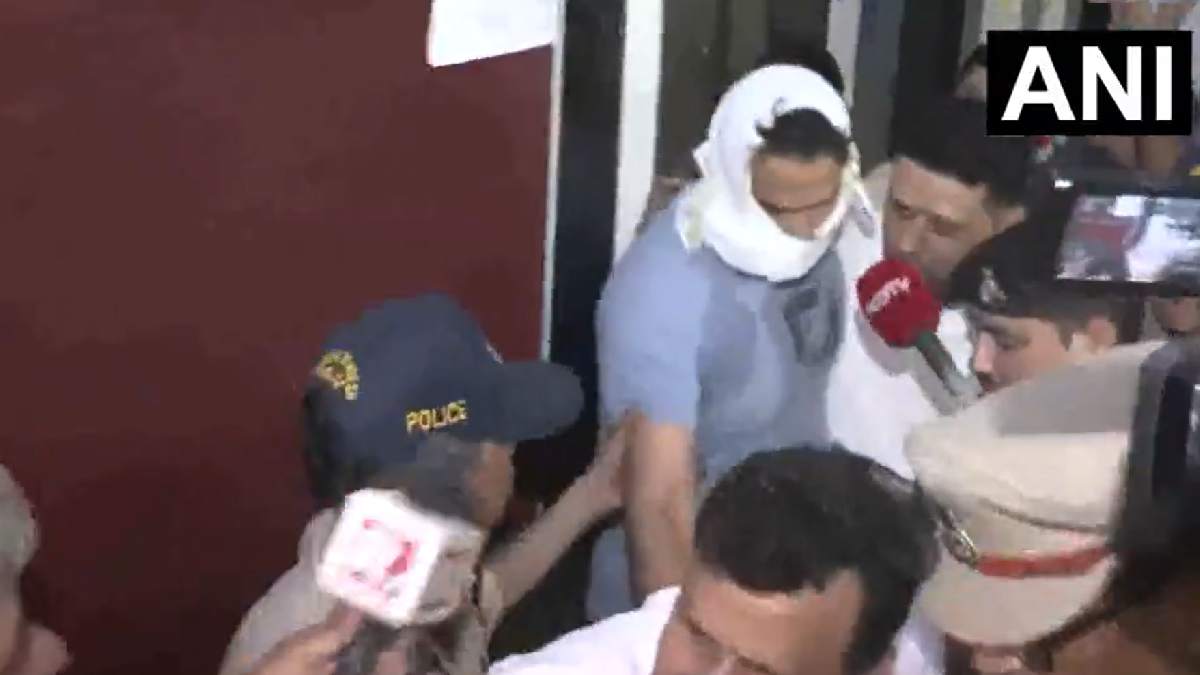
Samarth Singh, who apparently had been absconding since May 12, took his place before the court after a surge in media coverage spotlighting mysterious cases about the unusual events preceding the death of Twisha Sharma.
The police had spent the early days on the ground seeking him for days before searching extensively, and after he surrendered. While they took him into custody, investigators wondered how the events that resulted in Twisha Sharma’s death unfolded. The court granted seven days of remand from the police so that the police could continue the investigation.
It is a high-profile case in Madhya Pradesh (and beyond), which is reported in the mass media, and calls for a transparent, strong investigation from the outset are raised as well. The case’s investigators will investigate him on several different details, including where he was before the incident occurred at night, communications records, conflict with other people, finances, as well as various pieces of evidence the authorities have had so far, officials said in an interview.
“Electronic records are being investigated, witnesses are being interviewed,” police officials said, as well as reviews of documents that are used to make decisions. Pressure is mounting to solve the crime in a way that ties things up, to see if there was some sort of criminal conspiracy or worse, foul play.

It is among the most popular investigations in the past few weeks on the subject. Deputies have also been wary, and have called for public-facing talks, stressing that no decision would be made until proper scientific evidence, forensic findings or custodial investigations were in place. Most interest in the crimes in India was rooted in domestic issues and the findings of government investigations.
Samarth Singh’s surrender came only after pressure grew on him from the police, which began questioning him. The authorities reportedly set up groups after the incident to track his whereabouts, lawyers reported. Police custody will allow investigators to ask long questions, cross-verify evidence and cross-verify statements made and said by others tied to the case, lawyers said.
Experts may also interview the accused person and show the technical and forensic evidence obtained during their investigation. Even now, Twisha Sharma’s family does its best for justice: They call on officials to conduct a fair and speedy investigation. And activists and supporters have called for an open trial.
The case has since become a cause of grave concern after reports that the Madhya Pradesh Government said it had recommended a CBI investigation into the matter. Investigators must take note of whatever aspects of their case are imaginable during the custodial period: at least anything that might help identify the tragedy's personal ties to alleged suspects, or alleged rivalry.
Police officials have until now released none of the details to the public and added that the investigation is sensitive. However, they said all evidence would be carefully scrutinized and cases would be prosecuted at law according to examination results. The case is under investigation, and accordingly is closely examined. Indeed, this evidence may be described in detail during police custody periods.