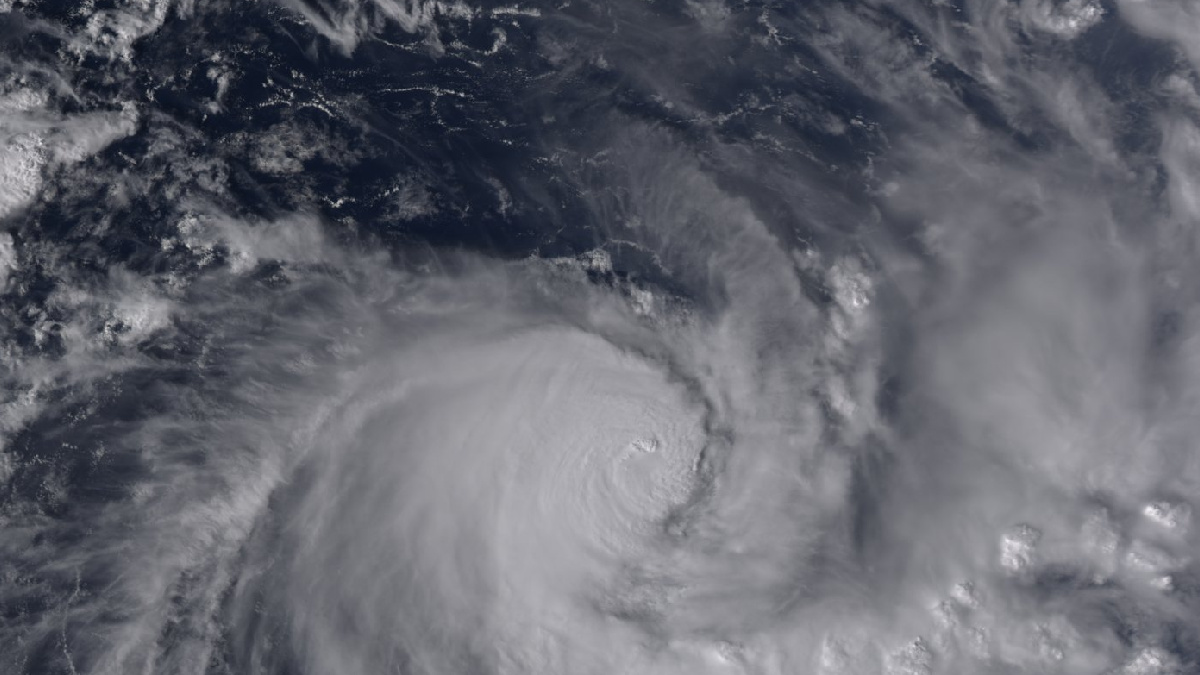
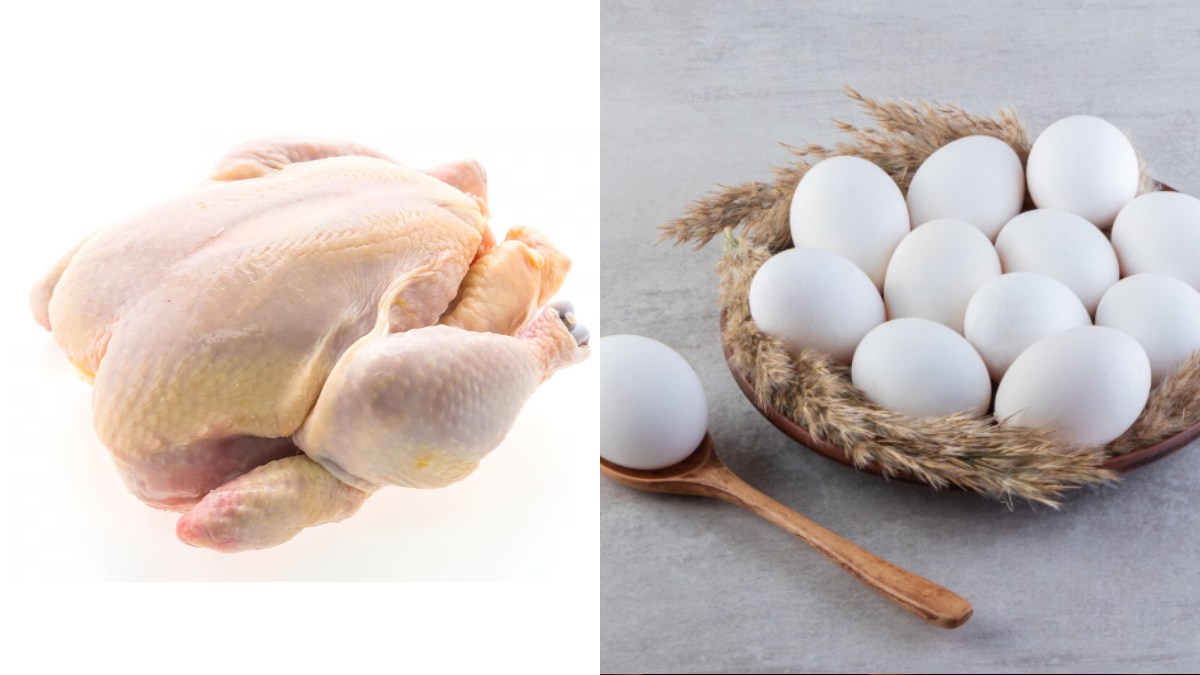
Karnataka's extreme cold wave ripples through society far beyond the cold mornings. For the people of Bengaluru, Kolar and its surrounding suburbs, the price of poultry is trending up. As the mercury falls, the production of both chicken meat and eggs has suffered heavily resulting in a significant demand-supply mismatch with prices shooting to record highs in January.
The Science of the Slump: Why Production is Down
Poultry producers especially those in the Kolar reported the lingering cold temperatures and insufficient sunlight have hampered the growth of birds sharply. Normally, a broiler chicken reaches a marketable weight of 2.2 kg in its growing cycle. Due to the low temperature at present, however, birds are unable to maintain proper body temperature, so their weight ranges from 1.7 to 1.8 kg. “The birds aren’t gaining weight despite feed, water and medicine being given to them in time because they do not have a warm environment,” said a farm owner in Kolar.
For egg generation the story is something else. Hens that typically lay 28 to 30 eggs a month have had their productivity slide to only 22 to 24 eggs. As the sun sets early and rises late, the “photoperiod” (hours of light) has fallen, a natural indication to the birds’ bodies that productivity should slow. Market Impact: Chicken Reaches ₹300/kg. The drop in supply has come after consumers’ wallets took a big hit. A
kilogram of chicken had a shelf price of ₹180 to ₹200, just a few months ago. Retail prices for skinless chicken at home in Bengaluru now range ₹280 to ₹300.
And The Consumer Shifts: From Chicken to Mutton?
The surge in prices has prompted many households to reconsider their protein selections. “Many also said if chicken prices can continue to hover at or within ₹300, they’d consider swapping chicken and maybe mutton if its price goes up, even though it comes at a higher cost than chicken or switch to vegetarian proteins.

This change in sentiment has caused a small fall in demand at local retail counters, pressuring small-scale meat sellers. Nonetheless, some poultry farm owners are hopeful. While production is likely low, they are citing higher market prices as a driver to break even to help cover the costs of winter management costs, such as heating, and high-calorie feed.