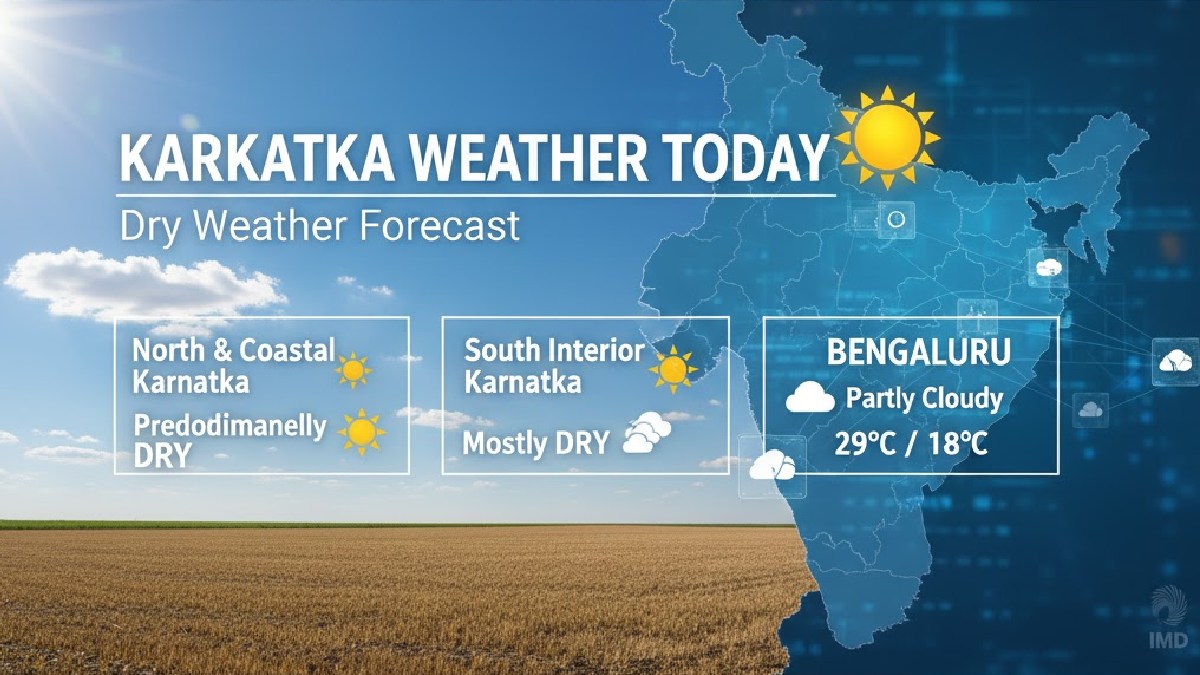
A severe cold wave has tightened its grip across Karnataka, sending temperatures plunging and prompting the India Meteorological Department (IMD) to issue critical weather warnings. As the state grapples with its most intense winter spell in years, an orange alert has been sounded for five districts in North Interior Karnataka, while ten other districts remain under a yellow alert.

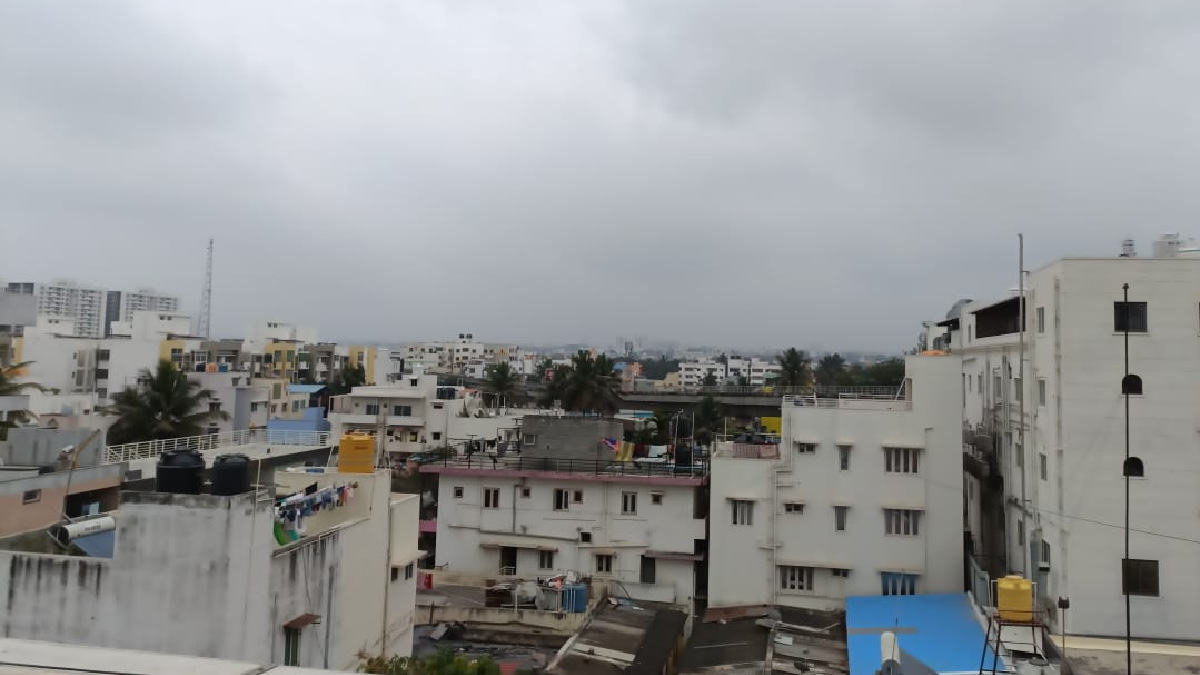
The capital, Bengaluru, continues to reel under "bone-chilling" conditions, with early morning fog and cold winds significantly disrupting normal life.
Orange Alert: Severe Cold Wave in the North
The IMD has placed five districts under an orange alert, signifying a "severe cold wave" where temperatures are expected to drop 4°C to 6°C below the seasonal normal. Residents in these areas are advised to avoid prolonged exposure to the outdoors during late-night and early-morning hours.
Districts under Orange Alert:
- Bidar (Recorded a state-low of 5.5°C this week)
- Kalaburagi
- Vijayapura
- Yadgir
- Raichur
Yellow Alert: Widespread Chilly Conditions
Ten additional districts are under a yellow alert, indicating a "cold wave" where residents should "be updated" on deteriorating conditions.
Districts under Yellow Alert:
- North Interior: Belagavi, Bagalkote, Dharwad, Gadag, Haveri, Koppal.
- South Interior: Ballari, Vijayanagara, Chitradurga, Davangere, Shivamogga.
Bengaluru's Record-Breaking Chill
In Bengaluru, the mercury has been hovering between 13°C and 15°C during the nights, marking one of the coldest Decembers in recent memory. Earlier this month, the city recorded its lowest temperature in eight years at 13.3°C.
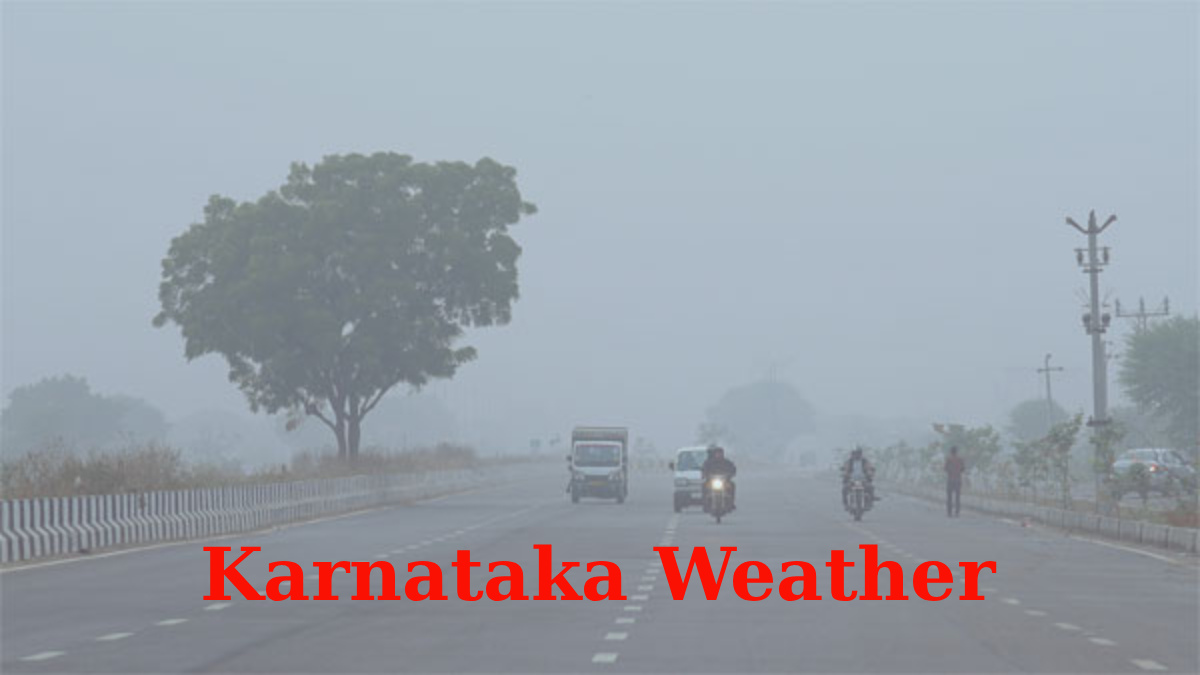
Thick blankets of fog have become a common sight at Kempegowda International Airport (KIA), leading to several flight delays during the "Golden Hour" of morning operations. Meteorologists attribute this sudden "freeze" to the influx of dry northerly winds and a clear sky that allows heat to escape rapidly at night.
Health and Safety Advisory
With the cold wave expected to persist for the next 48 to 72 hours, health officials have issued the following guidelines:
- Protective Gear: Wear multiple layers of woolens; pay special attention to protecting the head and ears.
- Vulnerable Groups: Elderly citizens and children should stay indoors as they are at higher risk of hypothermia and respiratory issues.
- Hydration: Consume warm fluids and nutrient-rich food to help the body maintain its core temperature.
- Travel Safety: Commuters are urged to drive slowly in foggy conditions, as visibility on highways has dropped to below 50 meters in certain pockets.