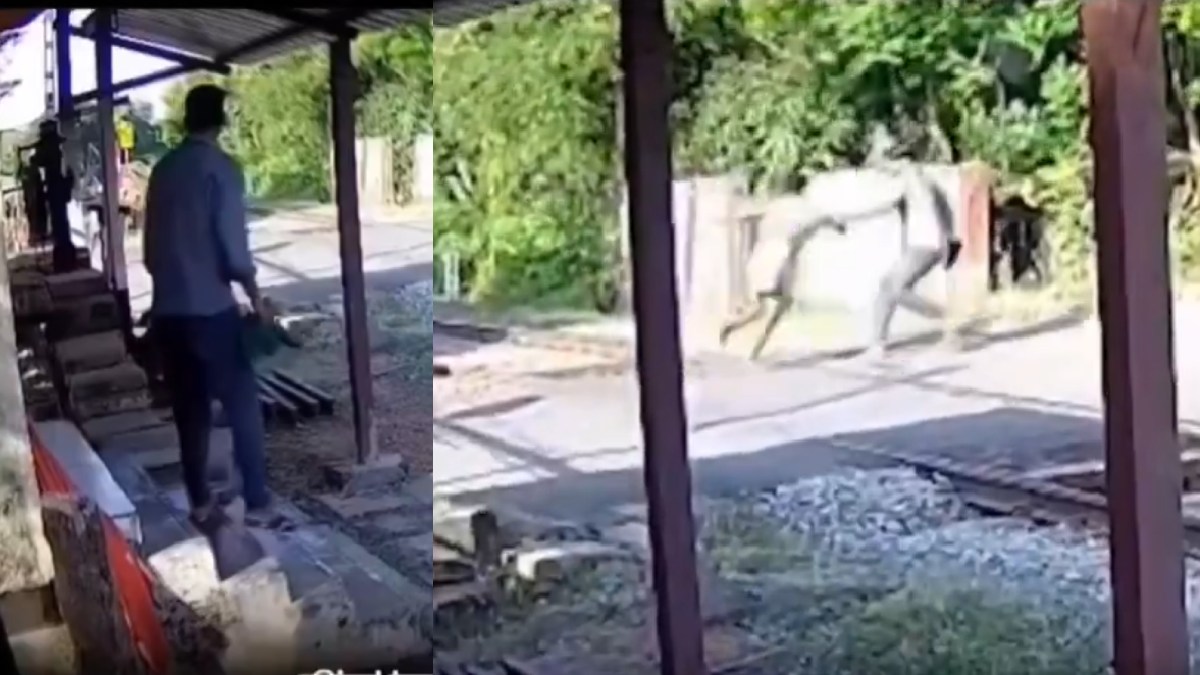
The Supreme Court on Wednesday declined to grant an urgent hearing on a petition challenging the alleged police action against student protesters, saying: “Don’t waste our time. We have no time to watch videos.”
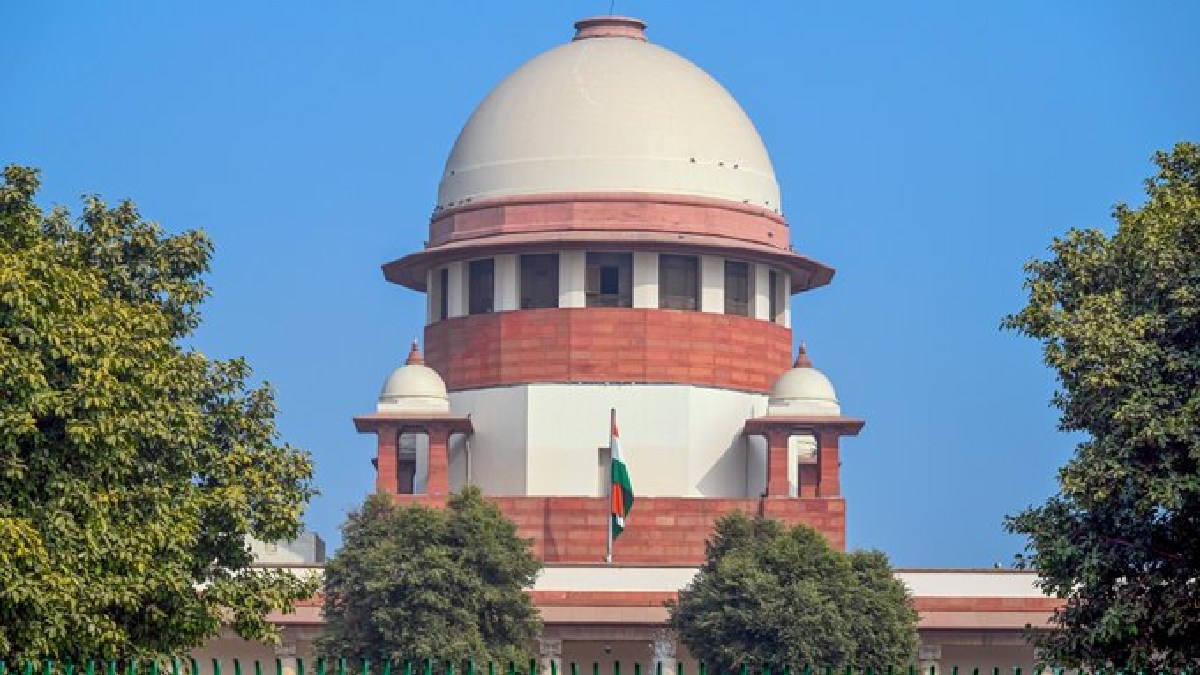
The court had also been asked to respond to a petition for immediate judicial intervention on the police response to protests involving students.
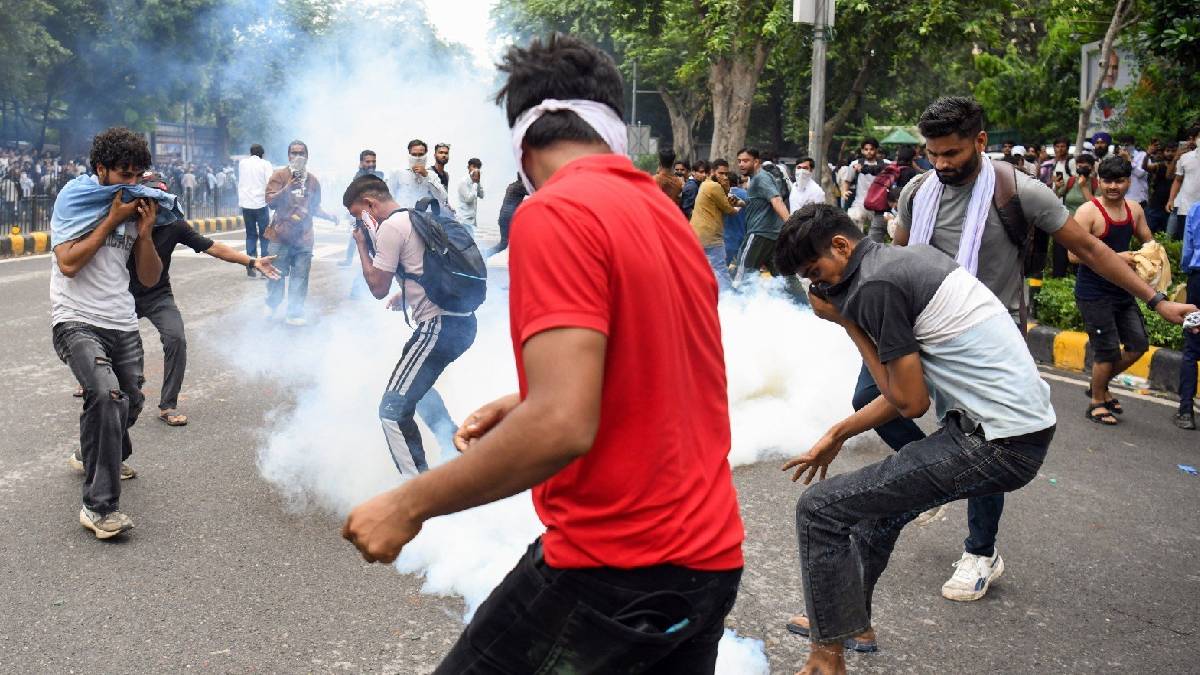
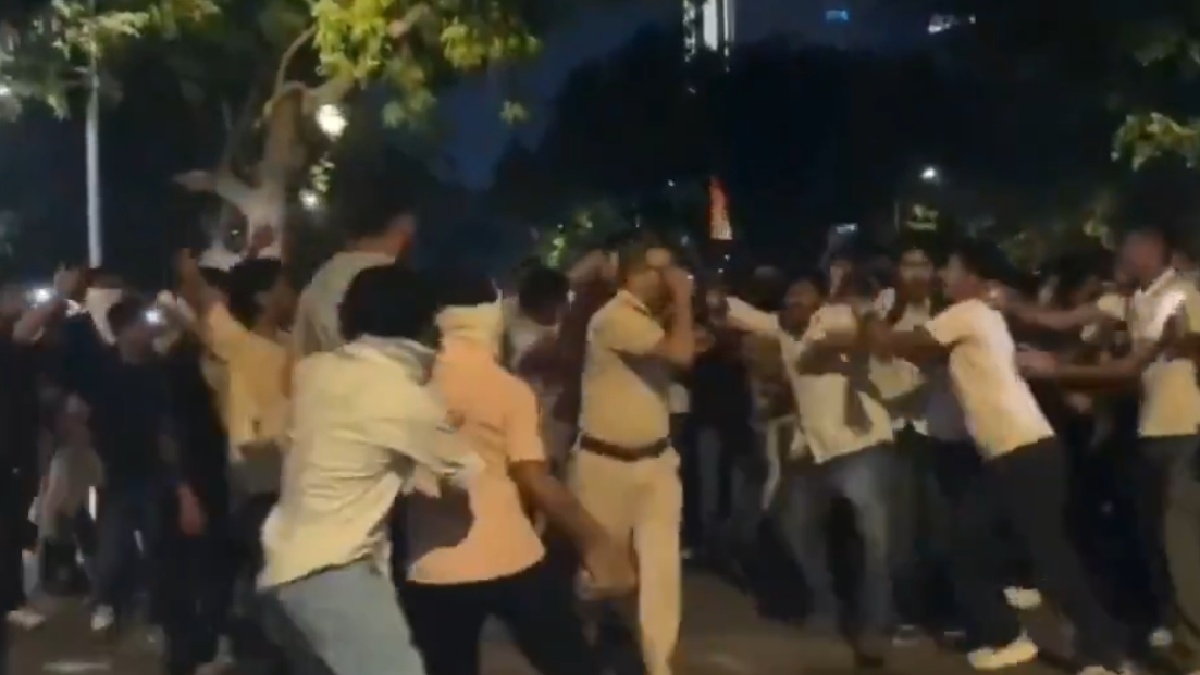
The petitioners claimed that police used excessive force against students who were protesting and participated in the demonstrations, with reports of lathi-charge and arrests of demonstrators.
They asked the Supreme Court to hear the matter rapidly, arguing that the police action violated the protesters’ fundamental rights (peaceful assembly and freedom of expression).
However, the bench declined to list the case for immediate hearing. While mentioning the petition, the counsel pointed out on the court's behalf the videos purported to show police action against students.
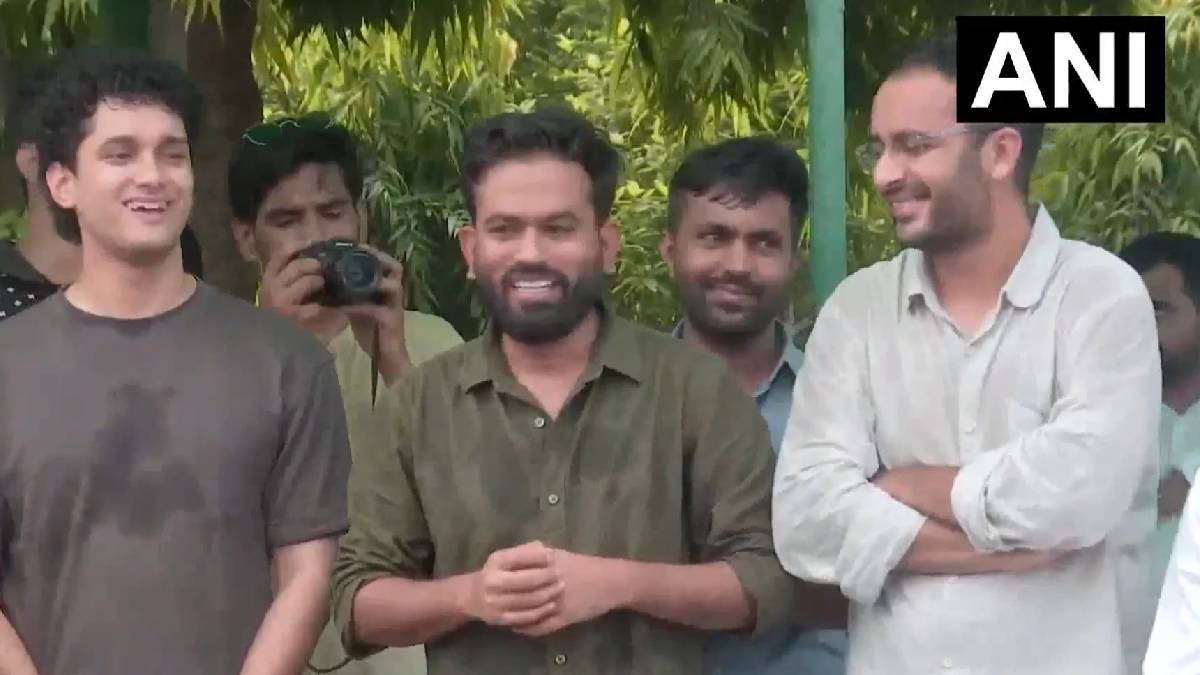
The bench said it did not have the time to scan such material during the urgent mentioning and directed the petitioners to follow the regular legal process.
The Supreme Court’s comments have raised much discussion on social media, including whether the matter was important and needed immediate judicial attention. Pro-action supporters said the allegations of excessive police force on students should be debated immediately.
But others maintained that urgent hearings should be reserved for cases where immediate constitutional or humanitarian emergencies were at play.
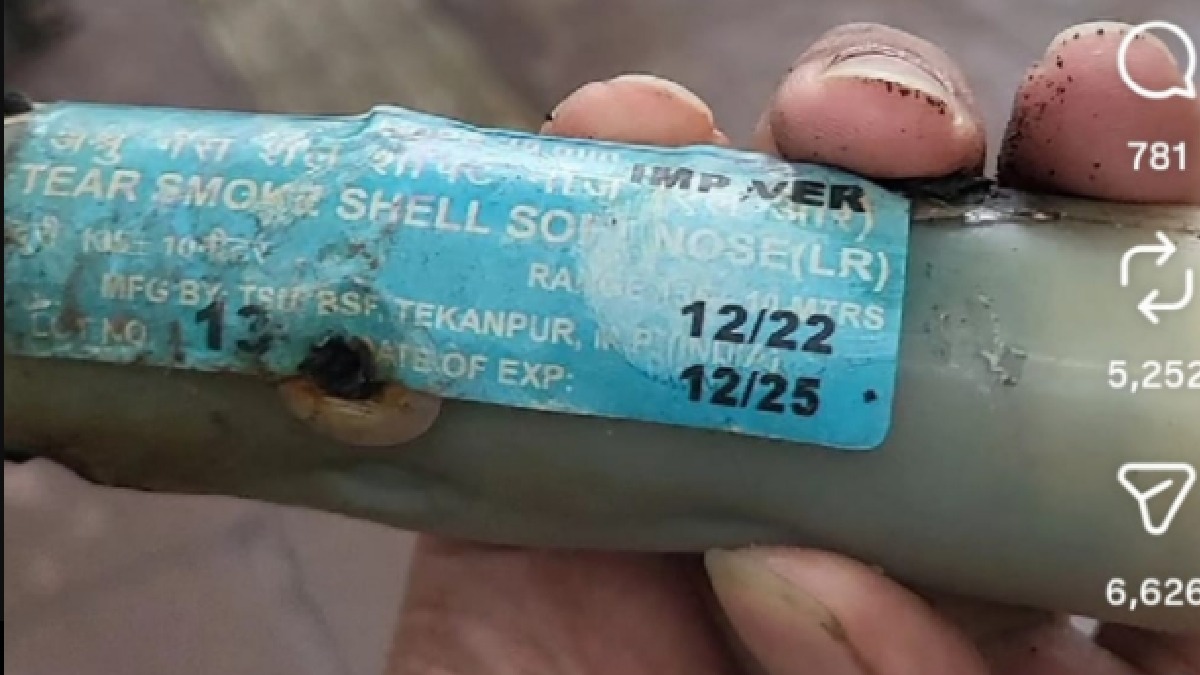
The protests are said to be the result of the demands made by student groups for educational reform and examination-related issues. Protests have also led to tension between protesters and law enforcement and a number of reports of police using force to disperse crowds.
Police had said the response was in line with procedures and no unnecessary force had been used.
Legal experts say that the Supreme Court’s refusal to act on an urgent hearing does not constitute dismissal of the case. The petition can be heard in the normal courts after it is listed on the bench.
The incident has once again highlighted the delicate balance between maintaining law and order and protecting citizens' constitutional rights to protest peacefully. This case is expected to remain under close public and media scrutiny as the legal proceedings continue.
Political leaders, student organizations, and civil society groups will be monitoring developments and the petitioners may try to pursue more legal remedies through the usual listing process.
The controversy also underscores the growing importance of judicial oversight in cases involving allegations of police excess during public demonstrations, especially when students and educational institutions are at the center of the debate.