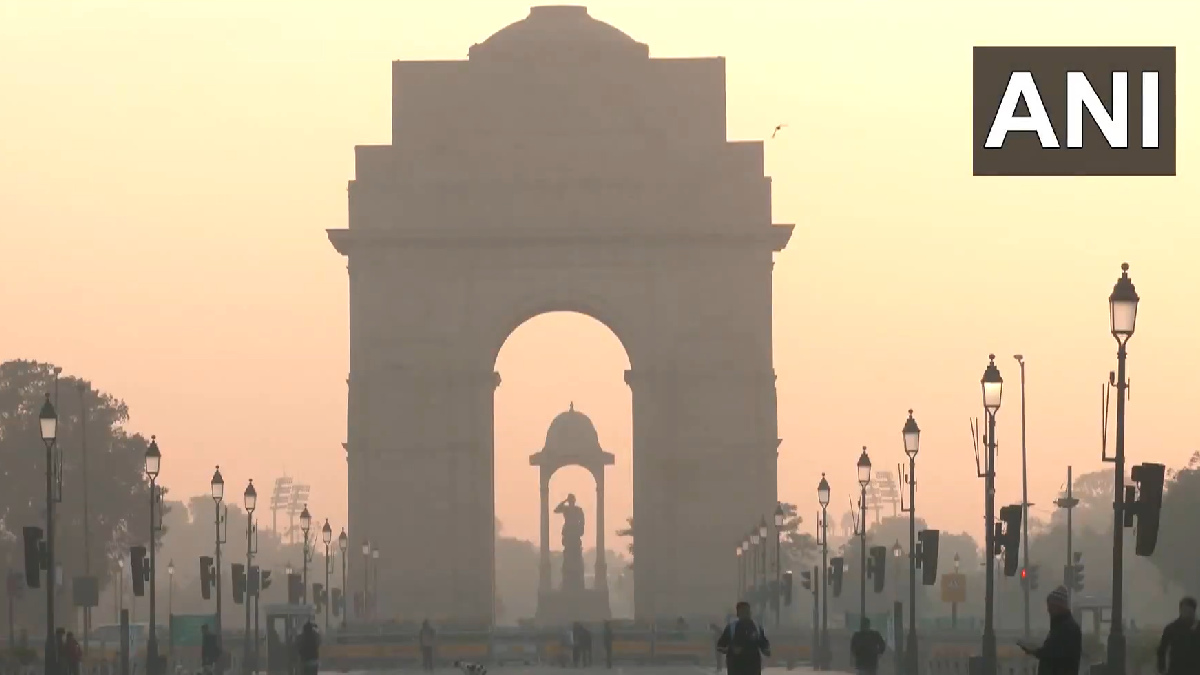
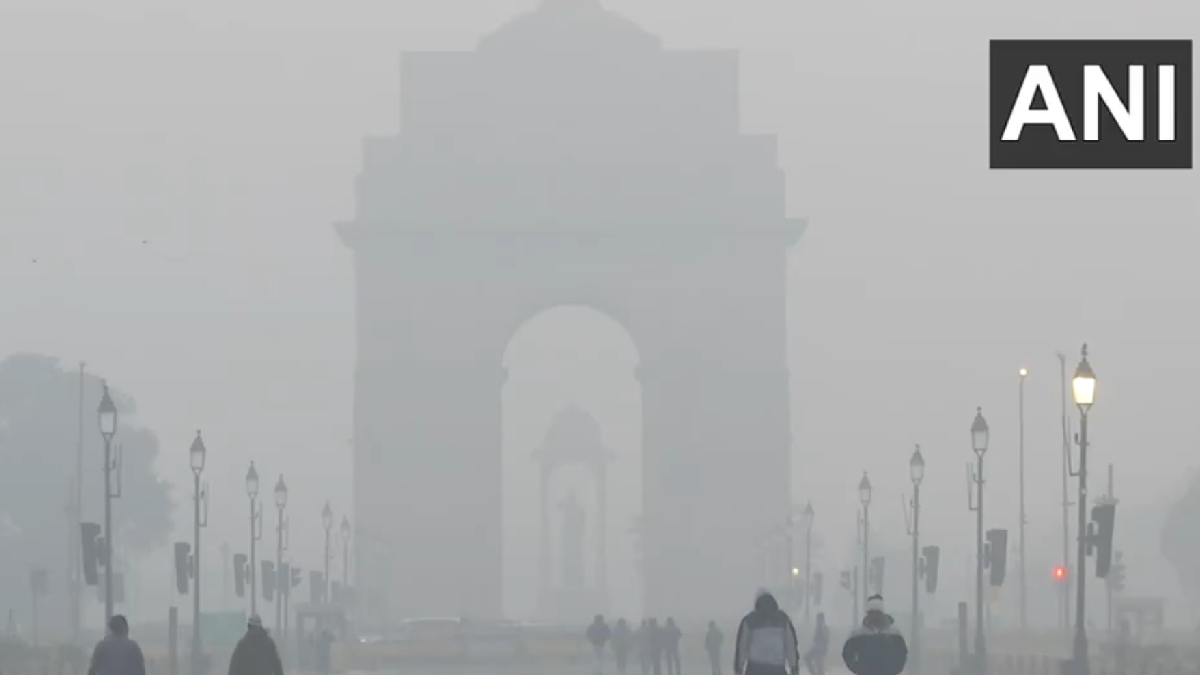
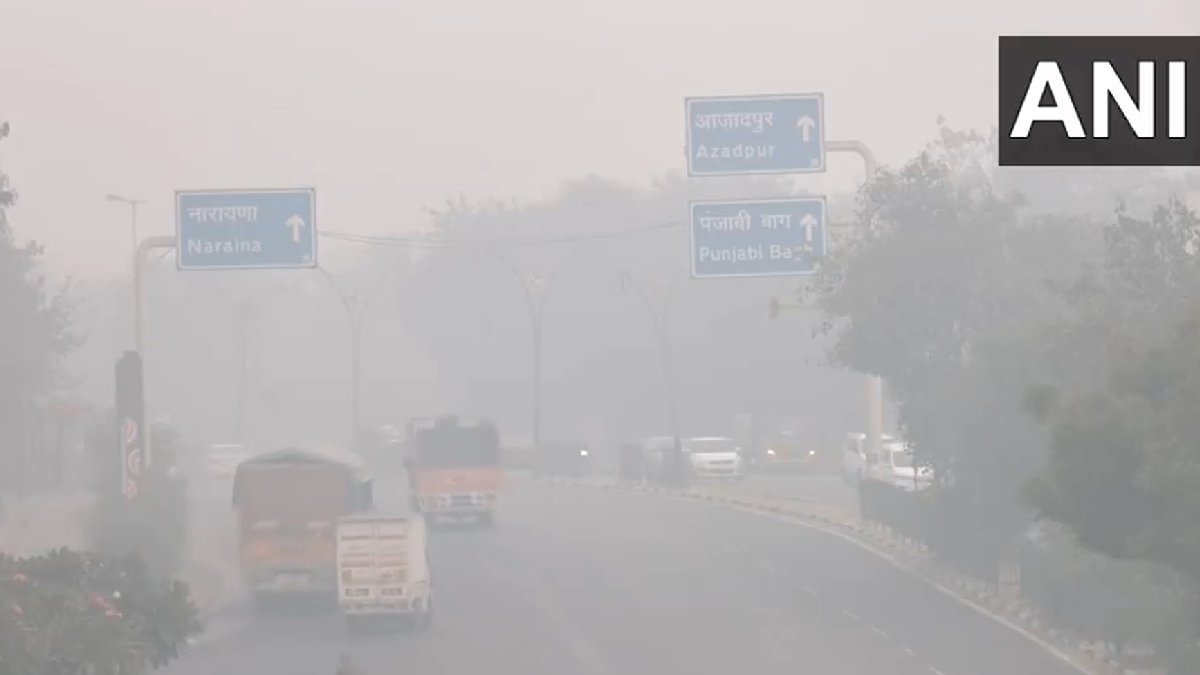
The air quality in the National Capital Territory of Delhi has once again worsened significantly, pushing the city into a public health emergency as the Air Quality Index (AQI) crossed the 'Severe' mark. According to data from the Central Pollution Control Board (CPCB), at least 19 out of 39 monitoring stations across the city registered an AQI exceeding the critical 400 threshold.
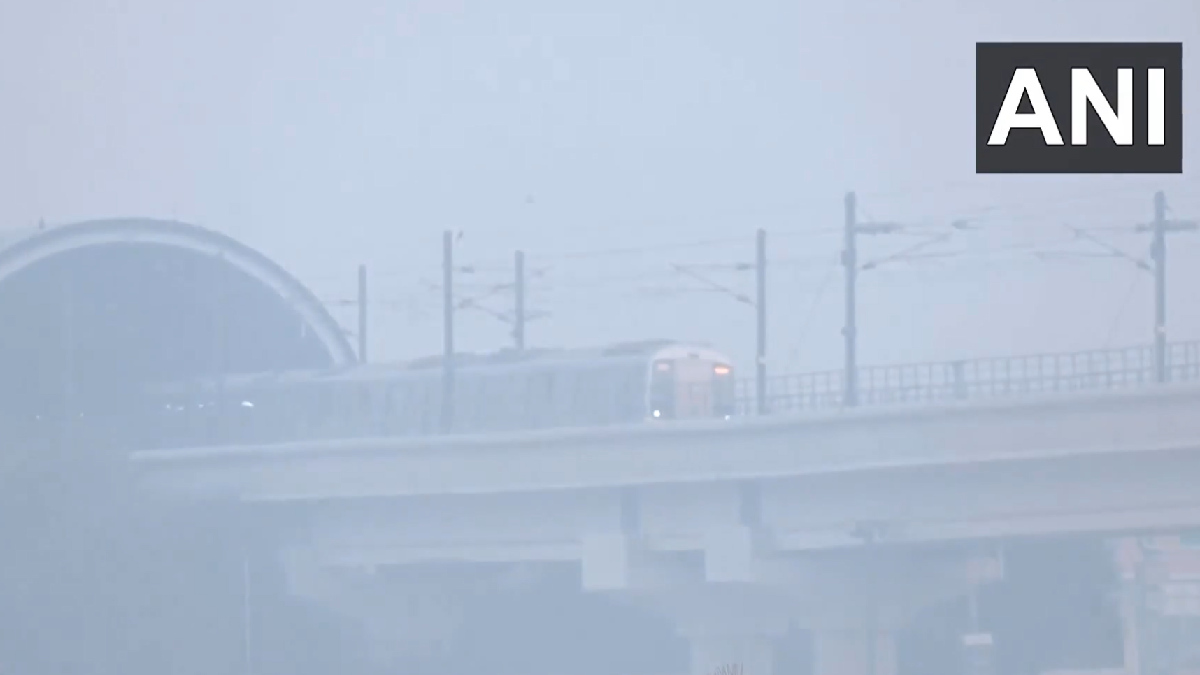
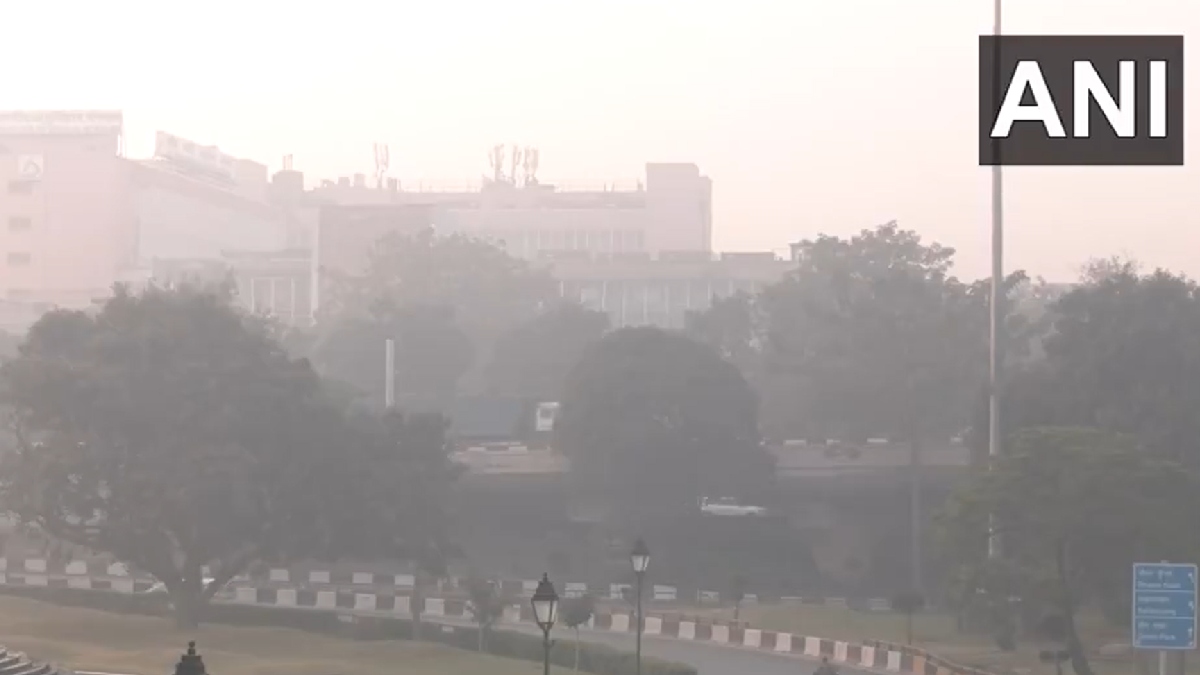
This sharp deterioration, which occurred shortly after the brief revocation of emergency Graded Response Action Plan (GRAP) restrictions, places millions of residents under immediate health threat due to the thick layer of toxic smog blanketing the region. Hotspots such as Anand Vihar, Bawana, Narela, and Chandni Chowk were among the locations reporting severe readings.
The Science Behind the Smog
The recurrent winter pollution crisis in Delhi is a complex cocktail of multiple local and regional factors:
- Meteorological Conditions: As winter sets in, the drop in temperature and decreased wind speed create a phenomenon called temperature inversion. This inversion traps pollutants near the surface, preventing their dispersal and leading to the visible, toxic haze.
- Local Emissions: Studies indicate that vehicular emissions are the largest chronic contributor to Delhi's air pollution. Other significant local sources include industrial emissions, dust from construction and demolition (C&D) activities, and open waste burning.
- Regional Factors: While local emissions are the primary year-round issue, stubble burning in neighbouring states like Punjab and Haryana during the post-monsoon season contributes to episodic spikes in particulate matter (PM2.5 and PM10), pushing the air quality into the 'Severe' zone.
Immediate Health Risks
An AQI in the 'Severe' category (401-500) carries serious health warnings, with the potential to affect even healthy individuals and cause serious harm to those with pre-existing conditions.
- Respiratory Illnesses: Exposure can trigger or worsen asthma, bronchitis, and Chronic Obstructive Pulmonary Disease (COPD).
- Cardiovascular Impact: Fine particulate matter (PM2.5) can penetrate deep into the bloodstream, increasing the risk of heart attacks, strokes, and high blood pressure.
- Long-Term Concerns: Prolonged inhalation of toxic air is linked to rising cases of lung cancer in non-smokers and negative impacts on fertility, bone health, and skin.
Government Measures and Emergency Plan
To combat this recurring crisis, the Commission for Air Quality Management (CAQM) implements the Graded Response Action Plan (GRAP), which includes a four-stage system of escalating restrictions based on the AQI:
| AQI Range | Category | GRAP Stage | Key Restrictions |
| 301-400 | Very Poor | Stage II | Ban on diesel generator sets (except for essential services), parking fee hikes, intensified sweeping. |
| 401-450 | Severe | Stage III | Ban on non-essential construction and demolition (C&D) activities, closure of stone crushers/mining, staggered office timings, restrictions on certain vehicles. |
| 451-500 | Severe+ | Stage IV | Ban on the entry of trucks (non-essential), ban on plying of non-BS VI light motor vehicles, closure of industries not running on clean fuel. |
Authorities have been directed to re-implement and strictly enforce measures under GRAP Stage III, including intensified mechanical sweeping, water sprinkling, and a crackdown on illegal dumping and burning activities. The focus remains on reducing local emissions from vehicles and construction sites, which are the mainstays of Delhi's chronic pollution problem.