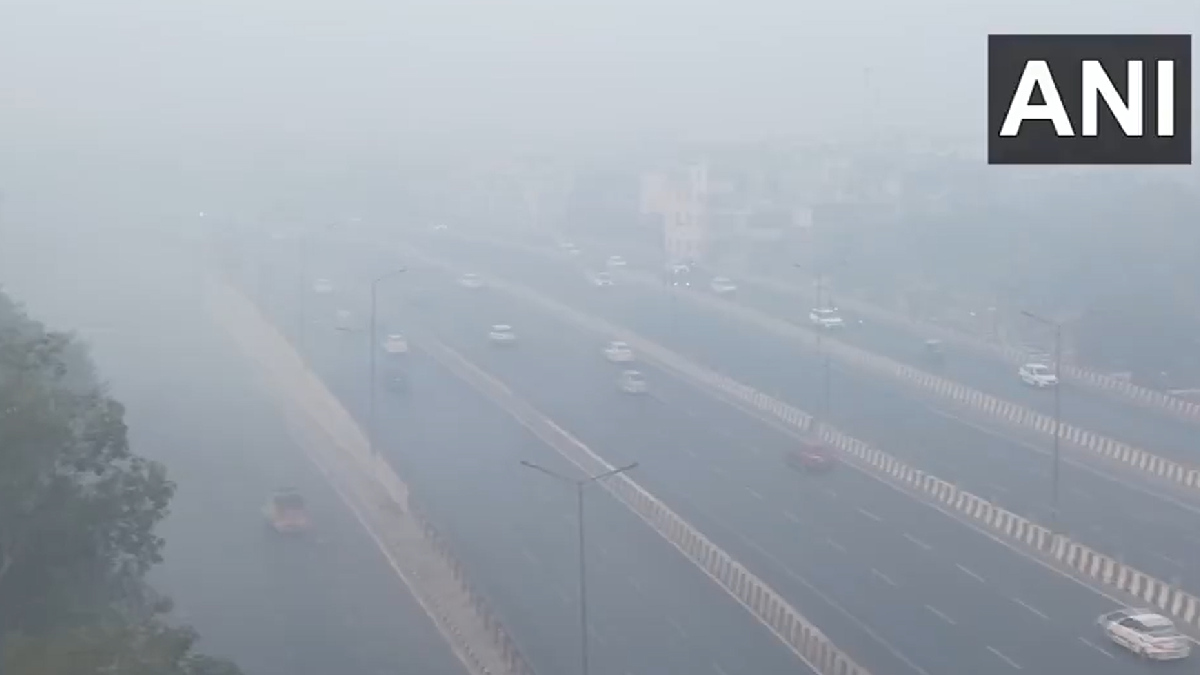
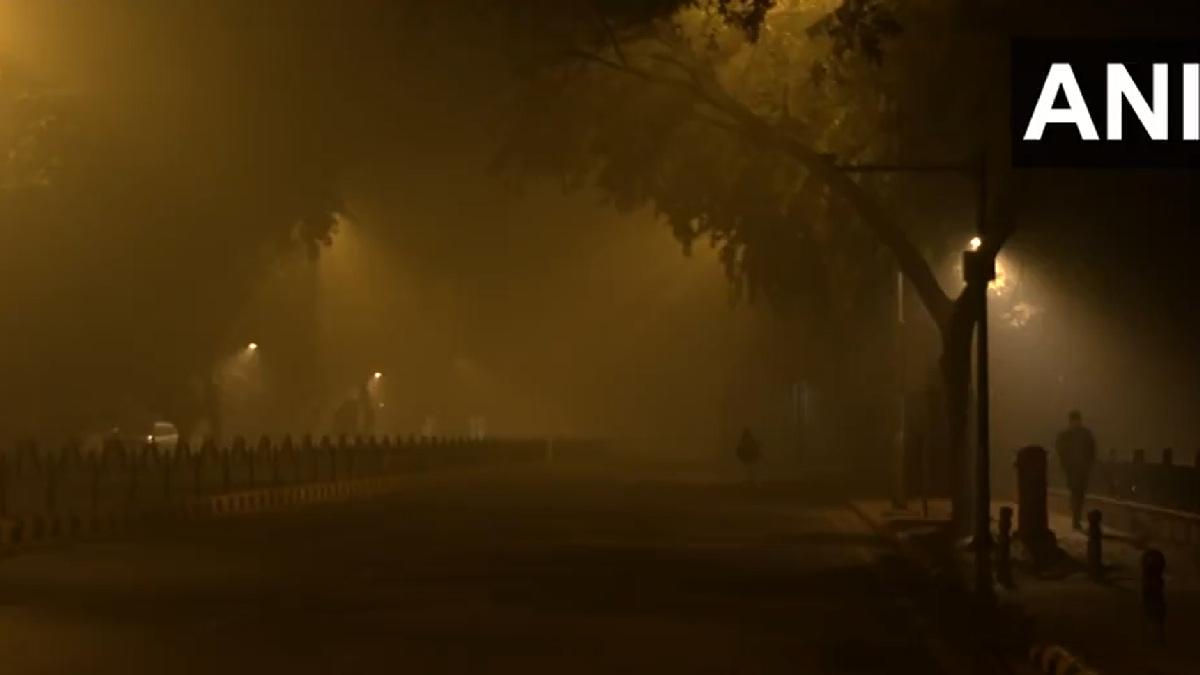
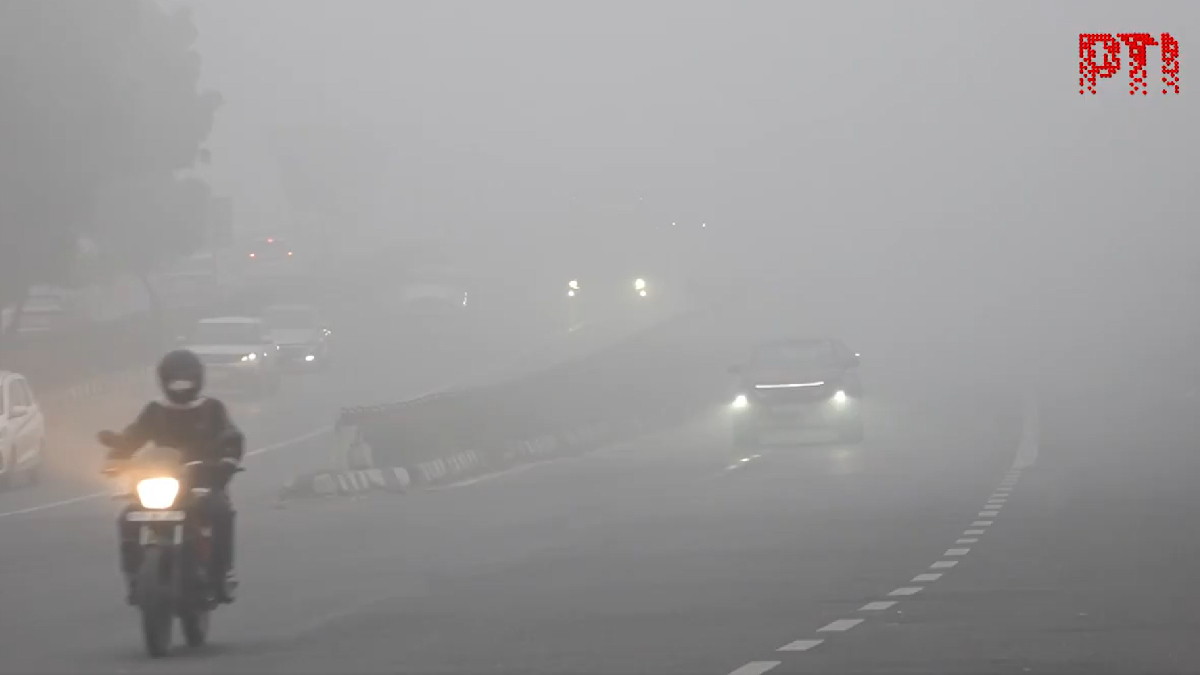
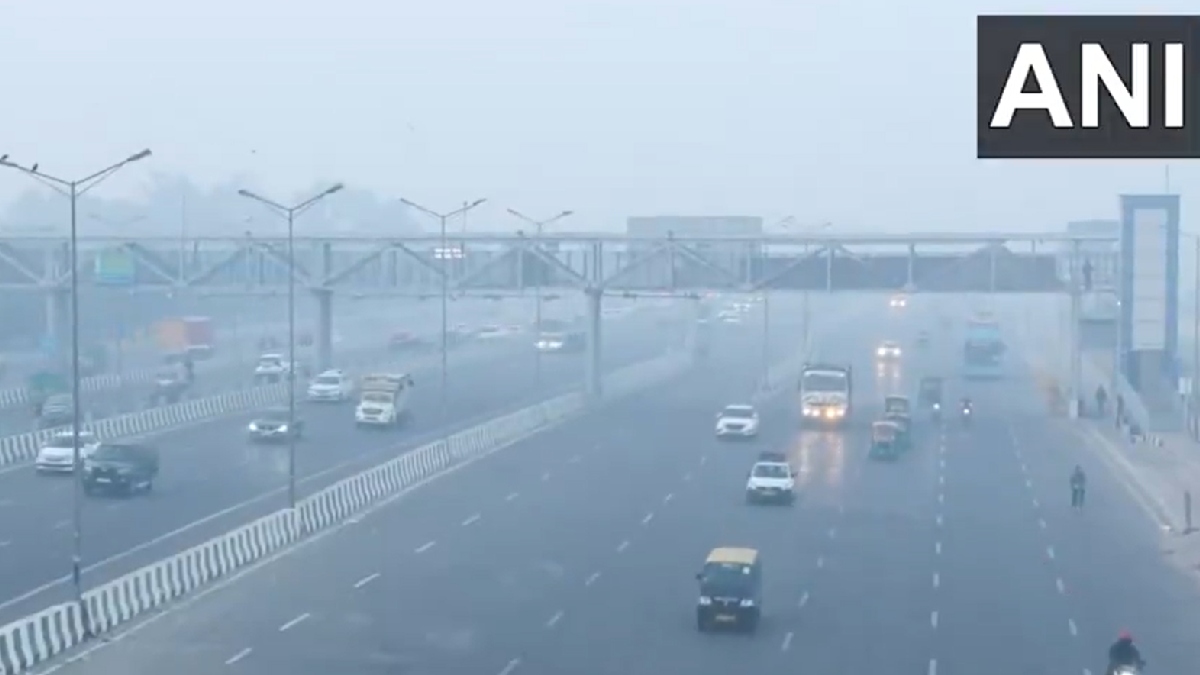
Just a day after the Commission for Air Quality Management (CAQM) revoked the stringent Stage III restrictions of the Graded Response Action Plan (GRAP), Delhi's air quality sharply deteriorated, with the Air Quality Index (AQI) spiking to 349. This reading places the air quality firmly back in the 'Very Poor' category, confirming experts' warnings that the respite would be short-lived due to unfavorable meteorological conditions.
The Rapid Reversal
The CAQM sub-committee had withdrawn GRAP Stage III measures (which are triggered when AQI crosses 400 or is forecasted to) on the previous day, citing a marginal improvement in Delhi's AQI to 327 and a forecast that the air would remain in the 'Very Poor' category.
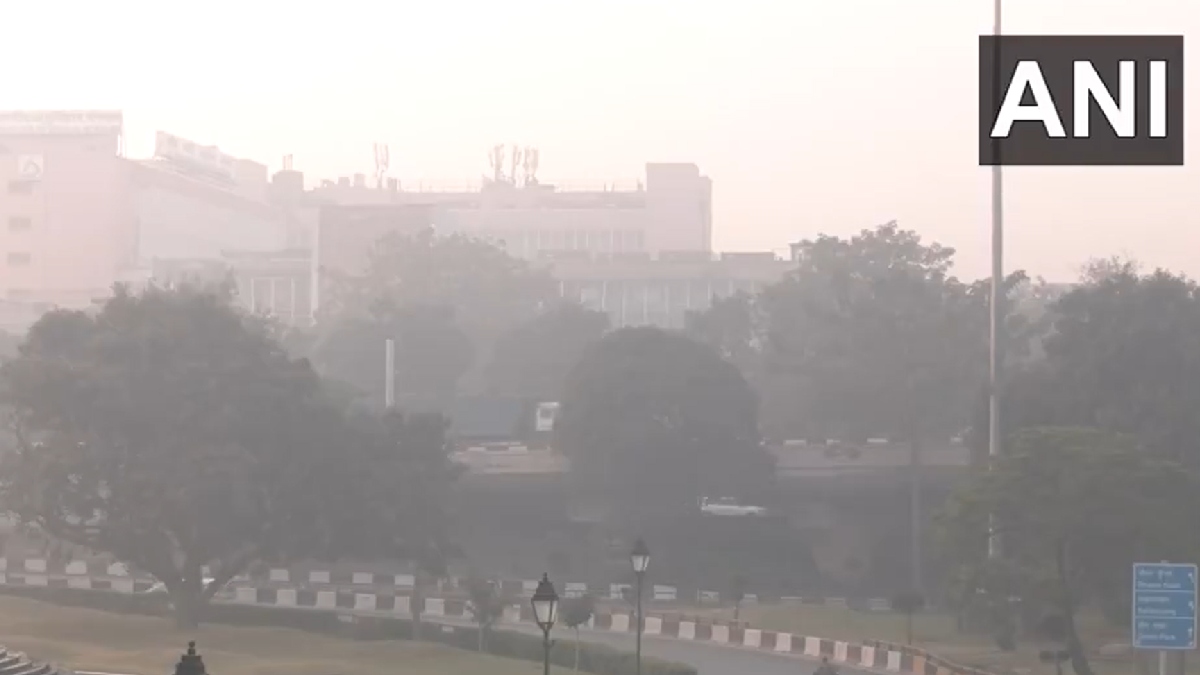
#WATCH | Delhi | Visuals from the Jawaharlal Nehru Stadium area as a layer of toxic smog blankets the city. AQI (Air Quality Index) around the area is 350, categorised as 'Very Poor', as claimed by CPCB (Central Pollution Control Board). pic.twitter.com/u9h0IWdMZ5
— ANI (@ANI) November 27, 2025
However, the rapid increase to 349 suggests that the underlying issues driving winter pollution remain dominant.
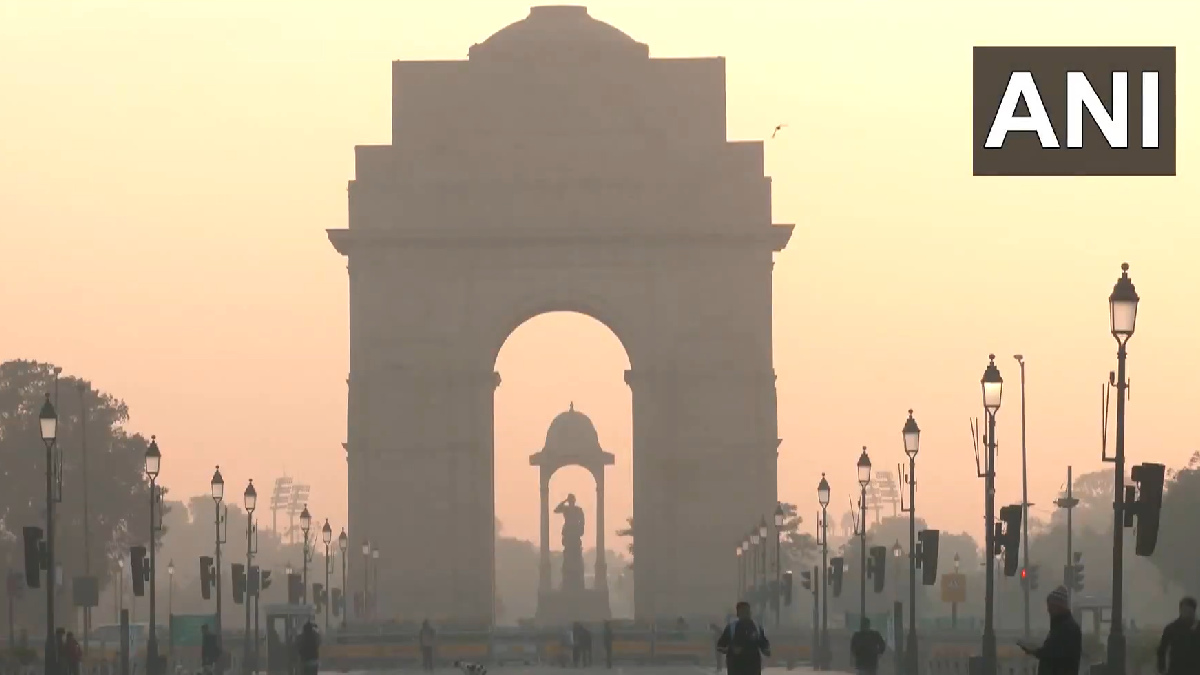
- 'Very Poor' Air: An AQI between 301 and 400 is classified as 'Very Poor' and can cause respiratory illness on prolonged exposure.
- Local Hotspots: Specific areas like Anand Vihar reported even higher AQI levels, hovering near the 'Severe' mark (above 400), with readings as high as 390.
- Resumption of Activities: The revocation of Stage III immediately lifted the ban on non-essential construction and demolition (C&D) activities and the restriction on plying BS-III petrol and BS-IV diesel four-wheelers. This resumption of high-polluting activities, combined with weather conditions, is likely a significant factor in the immediate deterioration.
Why the Air Quality Deteriorated
Experts and officials point to a combination of factors that allowed pollutants to accumulate again quickly:
- Calm Weather: Calm winds and a stable atmosphere prevent the effective dispersal of pollutants, trapping them near the surface.
- Low Ventilation: The ventilation index remains low, meaning the rate at which polluted air is replaced by clean air is insufficient.
- Persistent Local Emissions: Even with GRAP Stages I and II measures still in force, vehicular emissions, suspended road dust, and waste burning continue to contribute heavily to local pollution. Studies have consistently flagged the transport sector as a major source of particulate matter in Delhi.
CAQM's Response and Future Outlook
Following the deterioration, the CAQM has reiterated that GRAP Stages I and II measures remain in force and all implementing agencies have been instructed to intensify their enforcement to prevent the AQI from slipping back into the 'Severe' category.
The decision to lift Stage III so close to the 'Very Poor' threshold has faced criticism from air pollution experts who argue that such crucial measures should not be withdrawn prematurely, especially during the peak winter pollution months of November, December, and January. The CAQM will continue to monitor the situation closely, with the possibility of reimposing Stage III restrictions if the AQI forecast worsens.