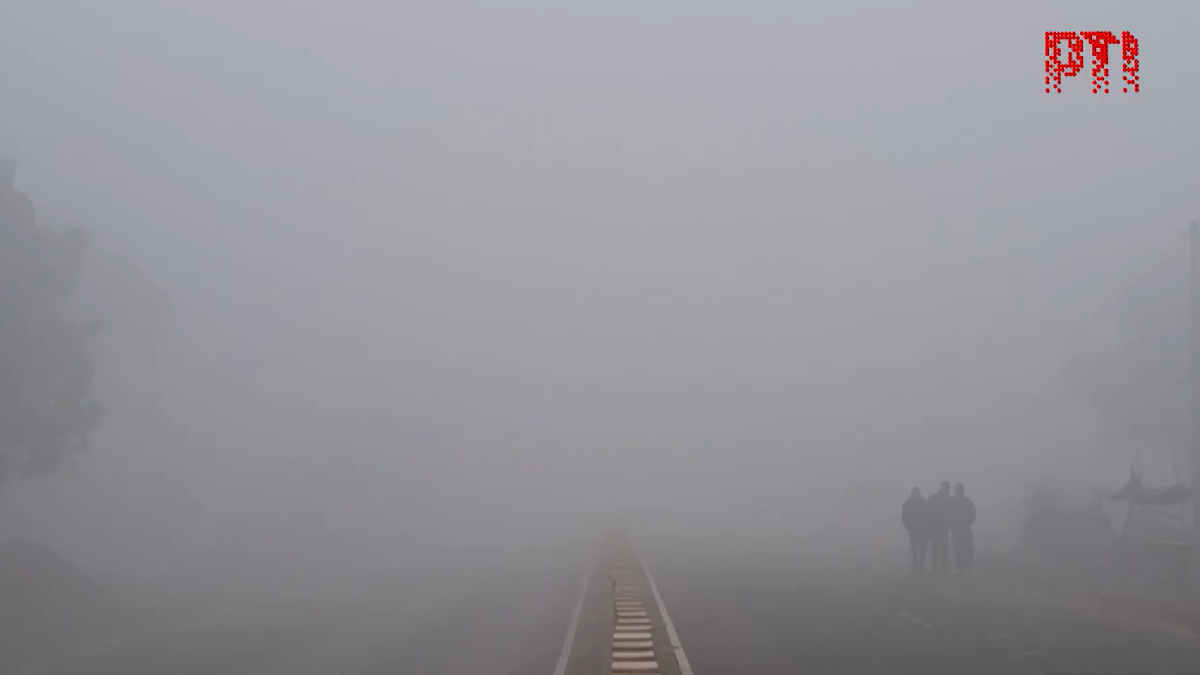
Now Delhi and its nearby areas are gripped by a fierce cold wave with tremors down the spine of its 20 million city dwellers and disruption in the daily life for many. Severe cold and continual thick mist have given rise to a relentless chill that has reduced peak temperatures to unseasonably low levels and led the India Meteorological Department (IMD) to release a yellow alert in the capital.
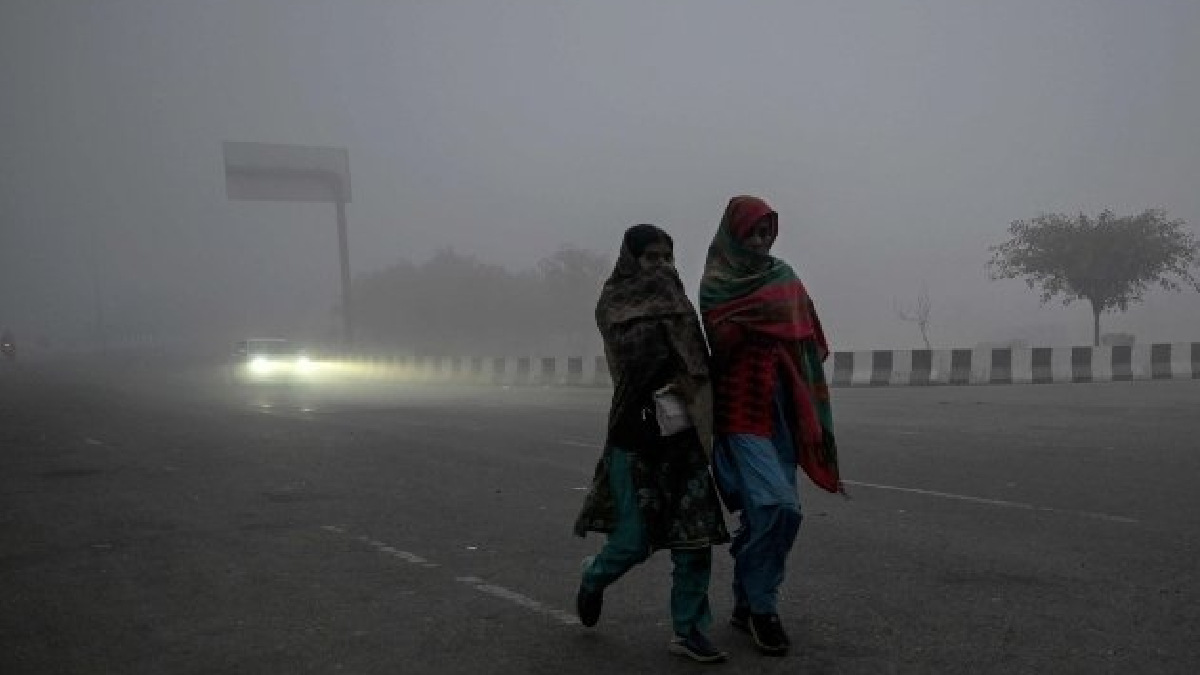
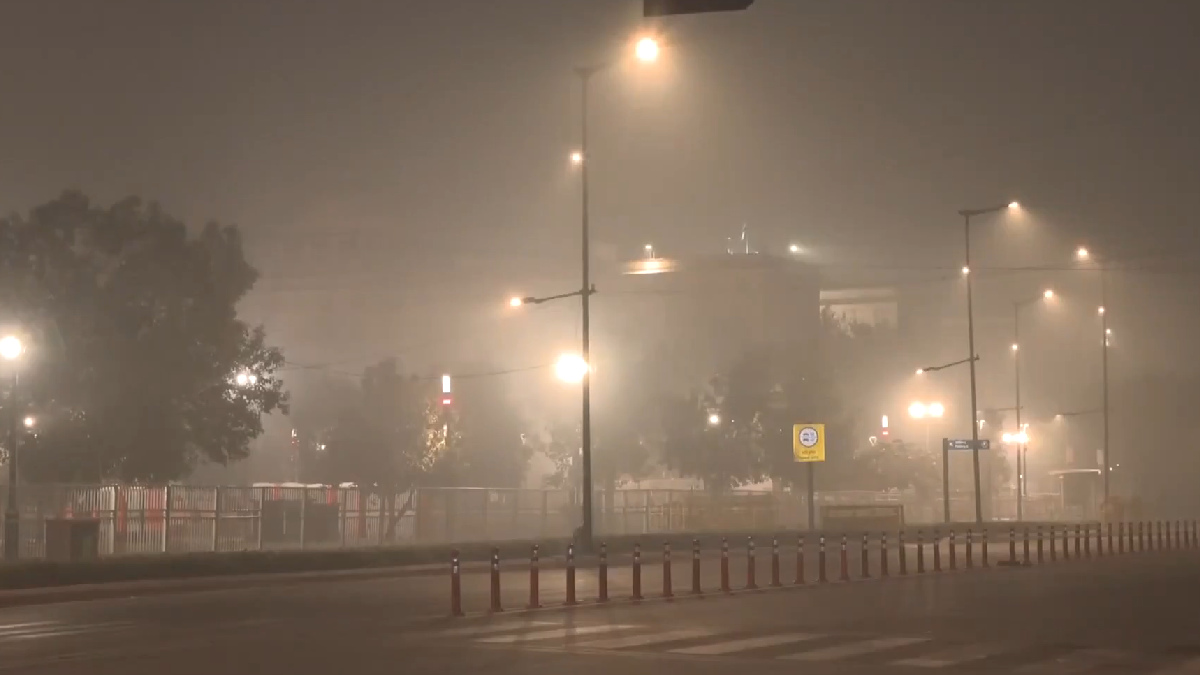
This is a stern alert; citizens must keep alert and take the appropriate precautions considering that cold conditions appear to be getting no easier in the immediate future. But it’s not quite like the weather isn’t affecting the traffic: Today in Delhi, the city has burst into what looks like a cloud over the country for several days, the visibility dropped to dangerously low levels and transportation services has been severely affected.
Flights at Indira Gandhi International Airport have been delayed and canceled, stranding thousands of passengers. Equally, train services are running late, proving inconvenient for day-to-day travelers and long-distance passengers. Road traffic has also been congested, forcing drivers to weave through the thick white curtain at a snail's pace and increasing the chances of accidents.
The eerie silence that typically accompanies such dense fog, heard only in the back of people’s muffled voices from far away cars all underlining the melancholy mood that now pervades the city. The daytime temperatures, which typically provide some respite from the nighttime chill on Delhi winters, have not changed considerably between last week and Sunday.
The peak temperature in recent days has been several notches below the seasonal average. Even in the afternoon hours, it has felt excruciatingly cold. Such unusual persistence of low daytime temperatures is a defining sign of a severe cold day or cold wave condition: at this level of cold weather, the difference between maximum temperatures and minimums has been significantly reduced.
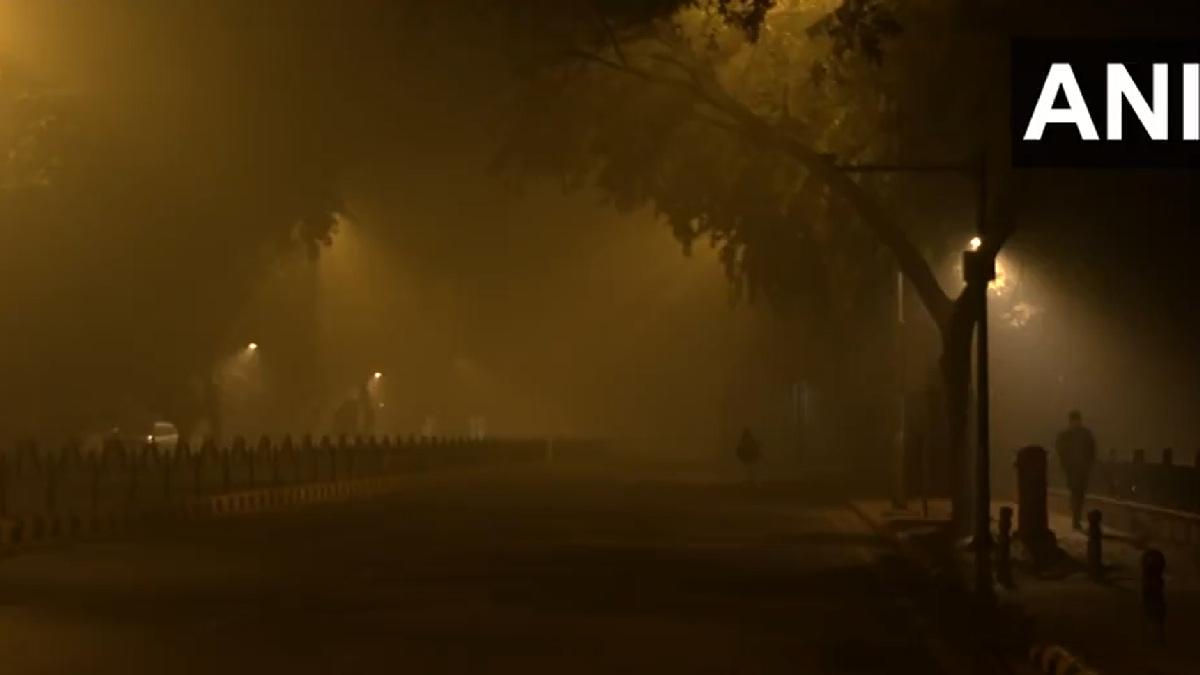
Experts say this persistent chill is the result of a complex mixture, including prevailing northwesterly winds from the snow-laden Himalayas that is kicking cold blasts into the flat plains and the dense fog covering many areas of the land like a viscous layer of dark snow that traps cold air close to the ground, and prevents the sun from penetrating and dissipating the cold.
The effects of this extended cold wave are pervasive and impact areas on which urban life revolves. Schools announced lengthy winter breaks or transitioned to online instruction to keep children out of the severe weather. The homeless and economically vulnerable strata of society are suffering most during the bitter cold spell; most are unable to find adequate shelter and warmth in their homes.
Non-governmental organisations and government agencies stepping up efforts to provide blankets and establish temporary night shelters although the magnitude of this problem remains enormous. Hospitals are recording an increase in cases of respiratory illnesses, flu, and hypothermia among the elderly and young children; an alarming public health problem associated with such extreme weather.
However, the long-standing air quality issue encountered by residents of Delhi has been badly affected by the cold and fog. The stagnant atmosphere, which is worsened by the lack of high winds, keeps pollutants just below the surface, leading to a buildup of particulate matter and other poisons.
Although, vehicular emissions and industrial activities are often the major sources of pollution, the current weather is preventing dispersal of those pollutants and there is an overall decline in air quality index (AQI) readings in the city. This double-whammy of extreme cold and bad air quality is extremely dangerous for health on the population.
The yellow alert which the IMD has issued is a call to action encouraging people to take action to maintain safe and well health. The warnings are to keep the area as warm as possible (especially in the morning) without heading out (even at the hottest, and the very thickest of times of day); to put on several layers of warm weather gear or jackets; to avoid unnecessary travel and to check on neighbors and relatives in need.
Pet owners should also ensure that their animals are protected from freezing temperature. For those who will need to get out, caution is advised on the streets because of diminished visibility, while proper heating arrangements are advised for homes. Meteorologists expect that the current cold wave, as well as dense fog, will probably last at least several days.
While temperature will fluctuate only lightly, there should be no sign of a warm trend in the immediate forecast. Residents must keep in touch with current weather bulletins and follow authorities’ recommendations, they advise. And the continued Arctic assault in Delhi will test the city's toughness and efficacy in its people and mitigation. What they await is the sun coming through the fog soon, hopefully bringing warmth, and a welcome escape from the unending chill.