A disabled creator has described an uncomfortable and disturbing experience at Ashapura Maa Temple in Jamnagar, Gujarat. People at the temple asked her to leave the courtyard due to her clothes and also made hurtful remarks about her disability, she said.
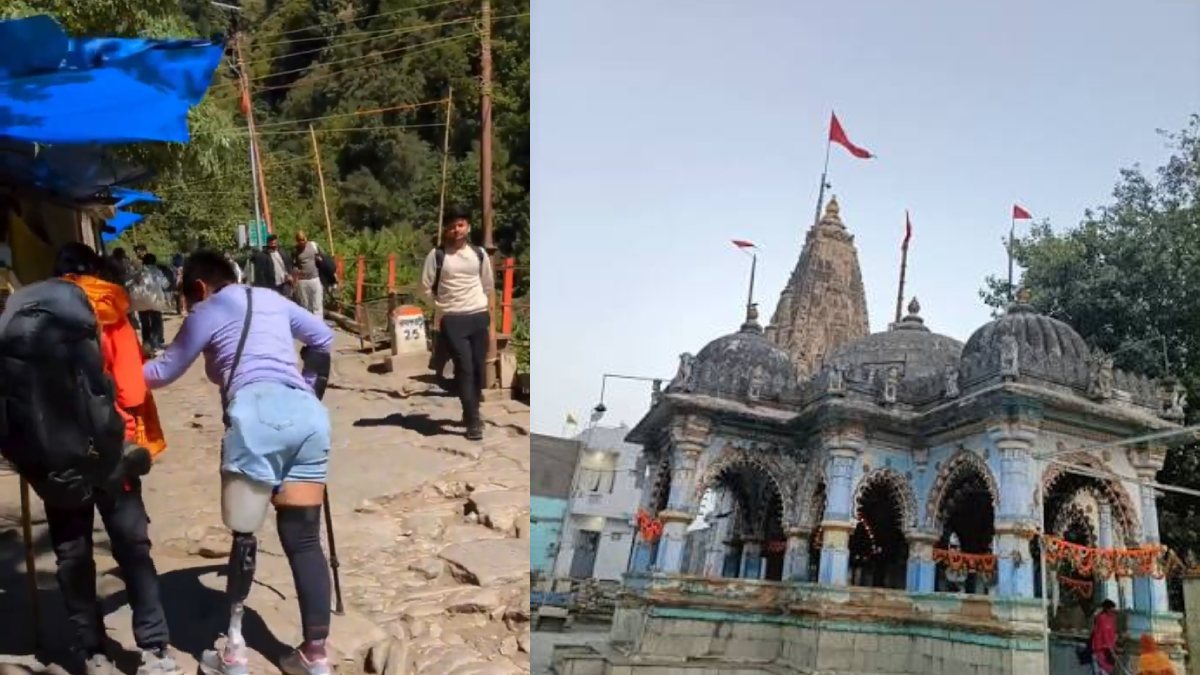
The creator, who uses the social media name @Ampu_tea_nehaa, said she was not entering the main shrine. She said she was standing in the outer courtyard and trying to get a distant view of the temple.
She also explained why she was wearing shorts. She wears a prosthetic leg and shorts make it easier to use and manage the prosthetic limb, she explained. She said for her the clothing choice was based on a medical need and not simply a fashion decision.
According to her account, people at the temple asked her about her attire and said her disability was “bad karma.” It has also raised an online debate on how people with disabilities are treated in religious and public spaces.
The claims have not been independently verified, and the temple authorities or other people involved have not been given an opportunity to respond to the allegations in the information shared.
Her Journey Shows What People With Disabilities Can Achieve
The creator has received attention for the temple incident and also for her accomplishments.
She has done many difficult trips such as Kedarnath and Amarnath. Even for people without physical disabilities, these can be challenging and to make it through with a prosthetic leg is a challenge and very time-consuming.
Her experiences also tell us about why people should not make quick judgments about someone else's body or clothing.
A prosthetic leg is a medical device that helps a person move. People who don’t have one cannot understand the practical difficulties of the task. Clothing can change how quickly a person can wear, change, or use a prosthetic limb.
The reason that an ordinary clothing choice might look like ordinary clothing, though, may have a medical reason behind it.
The purported comments about “bad karma” also raised concerns. A person’s disability should never be a reason for others to shame or insult them. Religion and people have different beliefs, but telling someone that their disability is punishment can bring unnecessary emotional pain.
Religious places can have their own dress code and behavior rules and visitors should respect those rules. But people can communicate such rules without humiliating or insulting anyone.
Staff can explain it plainly in case there is a dress code in a temple. They can also try to find out a person's medical conditions before guessing their appearance.
The incident also demonstrates the importance of accessibility. Accessibility does not just mean ramps, lifts, or accessible toilets. It also means creating an environment where people with disabilities can visit and participate without feeling uncomfortable.
People with prosthetic limbs, wheelchairs, walking aids, and other assistive devices have already had many challenges in daily life. They should not have to explain or defend their bodies to strangers.
We have now had a discussion that the creator has led to in the larger community about disability awareness and respect.
Her journey to places like Kedarnath and Amarnath shows that a disability cannot define what someone can do. Those with disabilities can do demanding stuff and do their job just like anyone else.
But at the same time, her experience teaches us that we cannot always understand another person’s situation by simply looking at them.
A prosthetic leg may be there and visible, but the practical challenges of the use of one can be a little less obvious.
The Ashapura Maa Temple incident should also be looked into carefully and one should give someone in the group of people involved the opportunity to speak. But regardless of the end result, the bigger lesson is that we are in fact doing good and also bad.
People need to respect others when they don’t know what medical condition a person is in or what is going on.
A religious place should provide a space where people can find peace and connect with their religion. Rules may exist, but they can be enforced in a way that is kind and humane.
Most importantly, a person's disability should never become a reason to shame them. What sounds like a simple clothing choice has a medical reason behind it. Before you judge someone, you just want to be able to see them in a different light and taking the place of judgment in public spaces makes them more accessible to everyone.