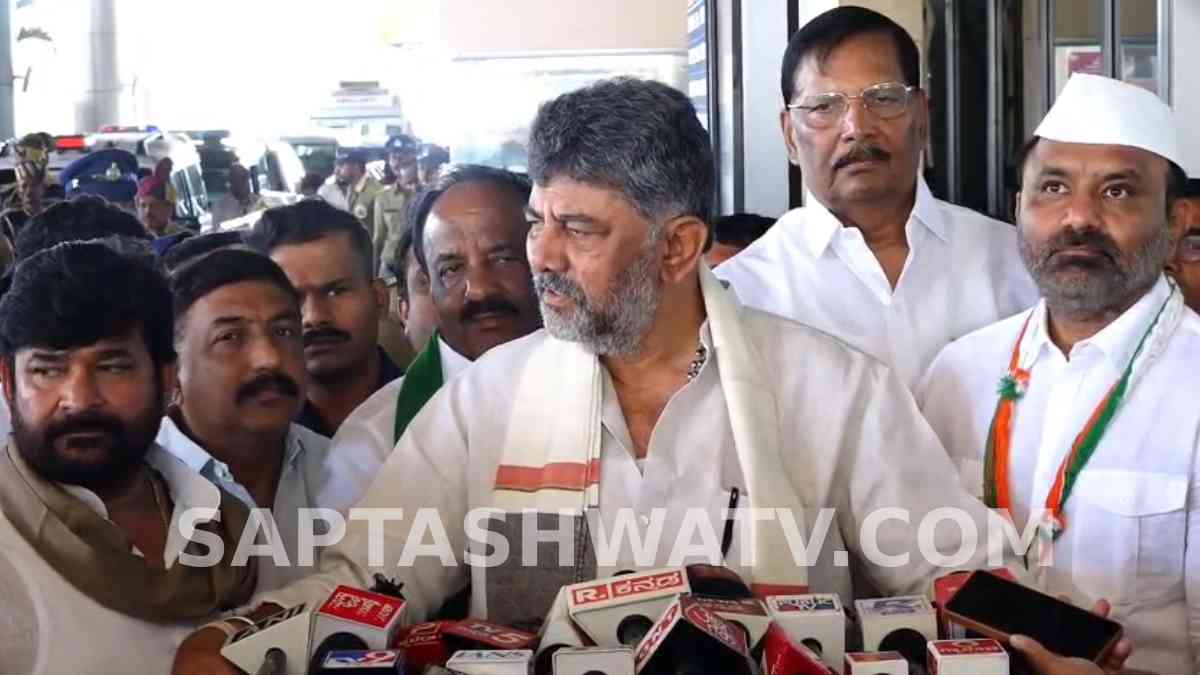
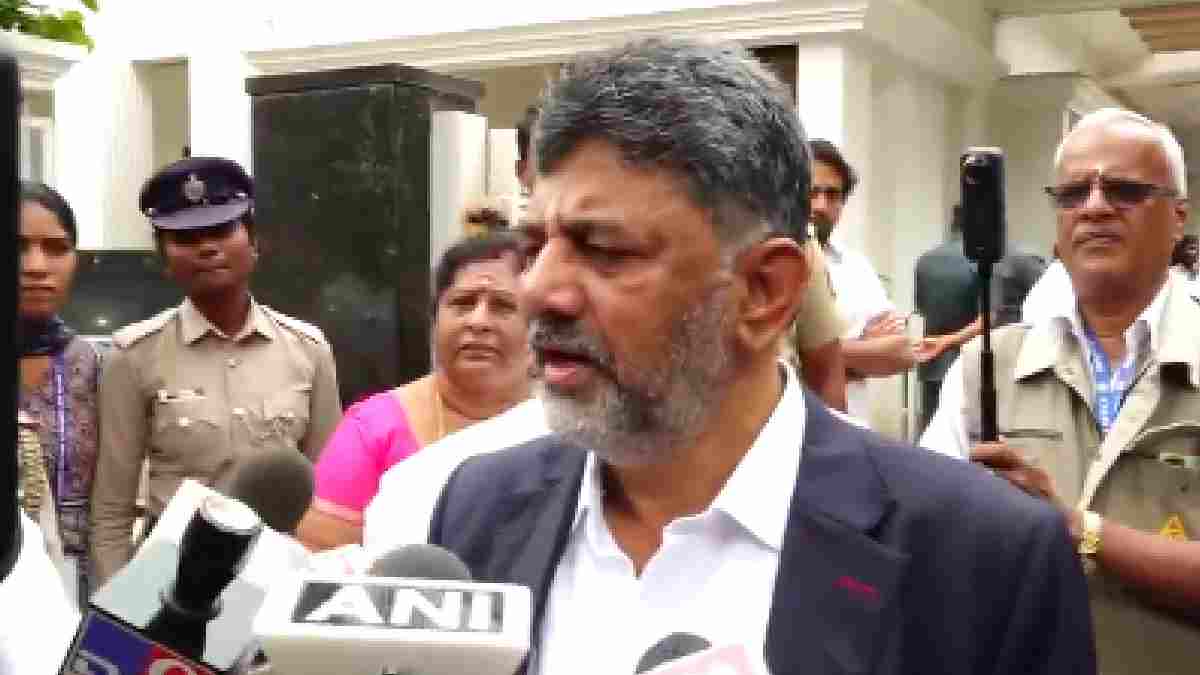
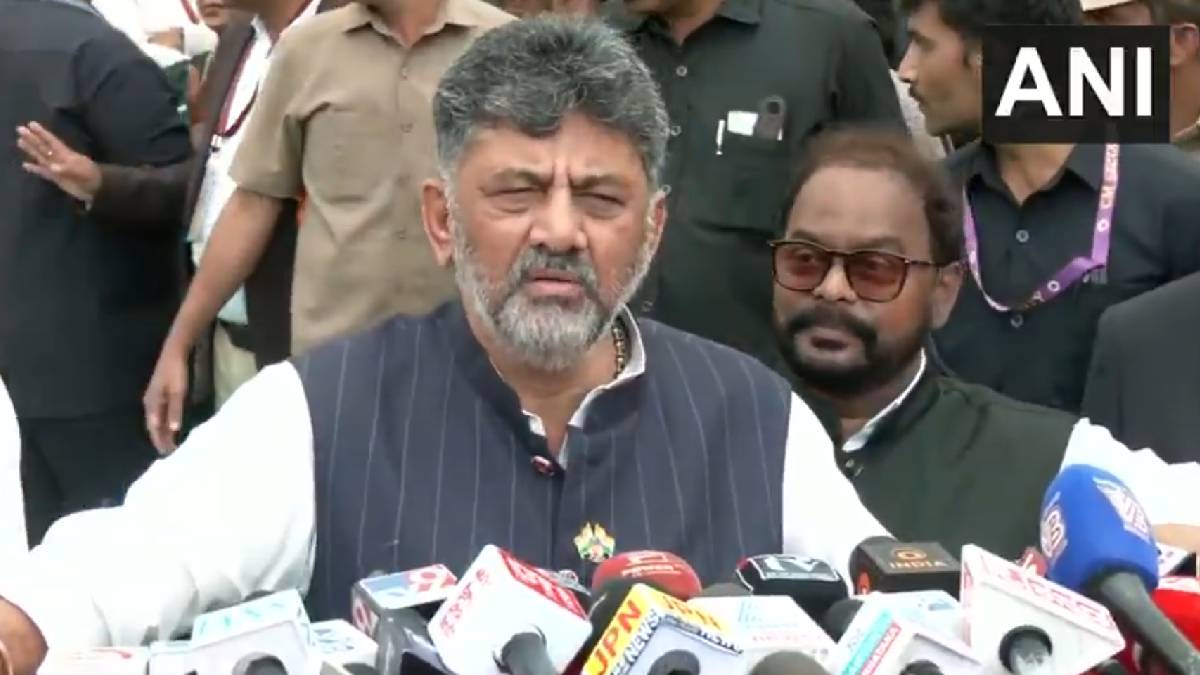
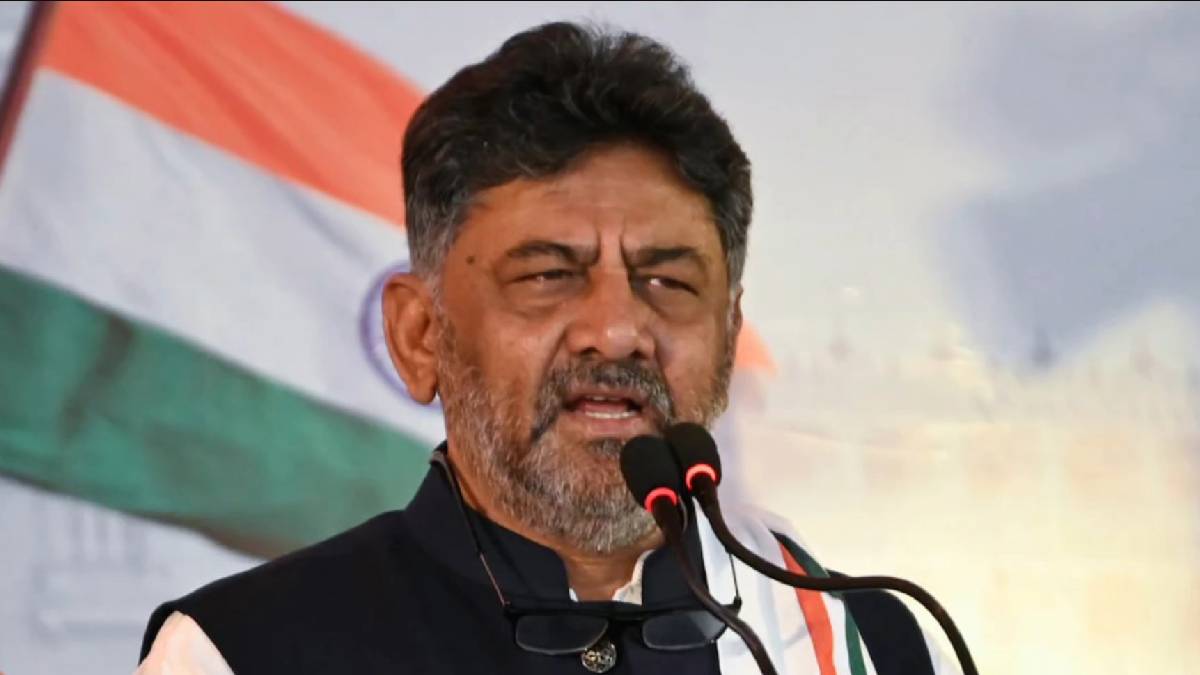
Karnataka Deputy Chief Minister DK Shivakumar paid tribute to the agricultural scientist Dr. M. S. Swaminathan on his death anniversary in his honour as the pioneer of food security and agricultural development in India and his role in India.
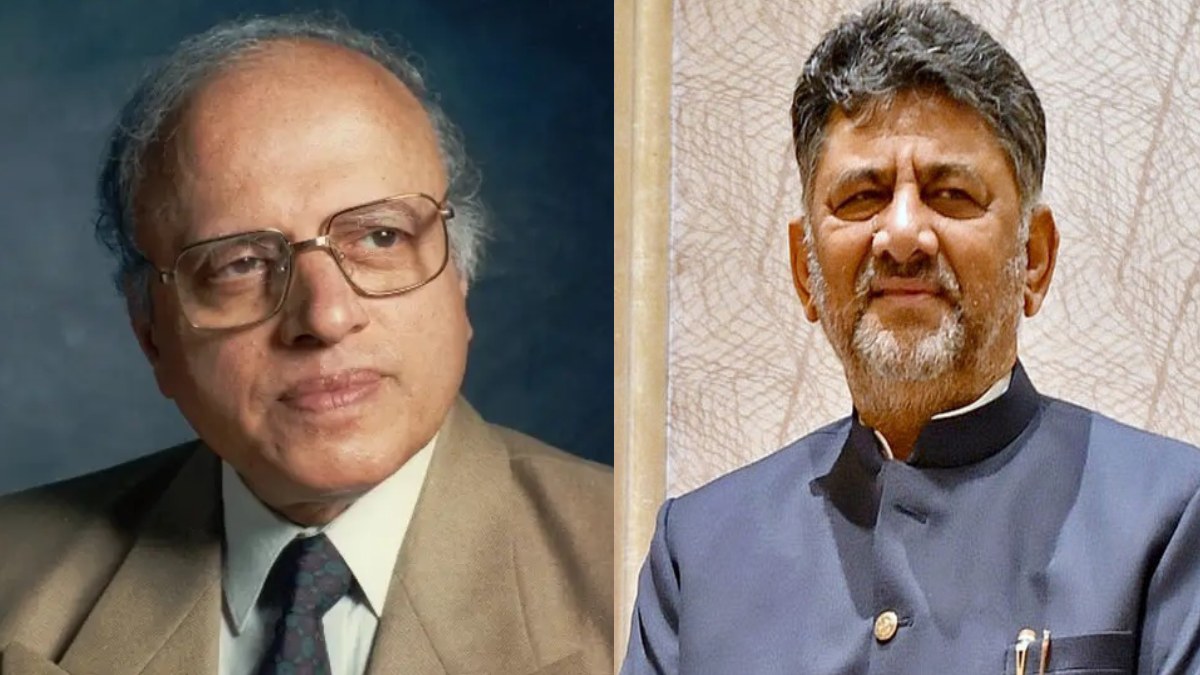
Shivakumar said Swaminathan was a visionary scientist and worked on high yield crops and was very close to the farmers and agriculture sector as much a part of the development of India’s food production system.
Shivakumar also recalled Swaminathan’s challenge for India, as he highlighted the difficult time in which Swaminathan worked for India when good food production was one of India’s biggest national challenges, when good crop production was one of the country’s biggest problems.
Swaminathan changed the landscape for farmers and farmers in the country with the help of science in agricultural science and agriculture and science in agriculture, he said, so that the agricultural scientist was able to translate scientific knowledge into practical improvements that benefited farmers and communities.
Dr. M. S. Swaminathan is famous for his work in India's Green Revolution and for his development of high-yielding agricultural technologies. Government and agricultural research records show that the High Yielding Variety Programme began in 1966 in order to enhance food production through the development of crop varieties and agricultural technologies (fertilisers, irrigation systems etc.) to make for a lot of food self-sufficiency.
Scientists, policymakers, agricultural institutions and farmers were involved in the agricultural change of the 1960s. Swaminathan worked on crop genetics and plant breeding and was a major player in the development and adoption of high-yielding wheat varieties. The Press Information Bureau has previously discussed his role in the Green Revolution and noted that high-yielding wheat and rice varieties were introduced into farmers’ fields in the period.
The Green Revolution had far-reaching impacts beyond farming research. Government records show that the transformation helped India become self-reliant in foodgrain production. But, in a larger sense, the impacts of intensive agriculture have been recognised as well, with the depletion of natural resources and heavy fertilisers and groundwater usage.
Swaminathan’s contribution was not limited to increasing crop yields. His later work was mainly focused on sustainable agriculture, biodiversity, nutrition and the welfare of farming communities.
The President’s Secretariat notes that the National Commission on Farmers, chaired by Swaminathan, made recommendations in order to transform the Green Revolution from a “Green Revolution to an “Ever-Green Revolution” in which sustained productivity is key to growth without ecological harm.
His legacy has continued to fuel the discussion around Indian agriculture in recent years. Recent government and ICAR reference has highlighted his interest in climate-resilient agriculture, nutritional security, biodiversity and technologies that could help farmers adapt to changing environmental conditions. These themes are becoming more relevant as Indian agriculture faces challenges of climate variability, water availability, soil health and the need to improve farm productivity sustainably.
Swaminathan was also recognised nationally for his contribution to agriculture and farmers’ welfare. In 2024 the Government of India announced that he would be awarded Bharat Ratna, to the recognition of his contributions in agriculture development, food security and modernisation of Indian agriculture.
Dr. M. S. Swaminathan played a defining role in making India self reliant in food production at a time when food security was one of the nation’s greatest challenges. By advancing high yielding crop varieties and working closely with farmers, he helped translate agricultural… pic.twitter.com/fSzORZhISl
— DK Shivakumar (@DKShivakumar) September 28, 2026
DK Shivakumar’s tribute thus touched on both the historical significance of Swaminathan’s work and the relevance of it today. His contribution to food production, farmers and sustainable agriculture also showed that agriculture science has contributed to India’s development.
Swaminathan is still a part of India’s agricultural history, and so in the food, nutrition and farmer welfare, the work that he did on improving crop varieties is very much a part of the country’s history. In the years later, he put the emphasis on sustainability and biodiversity in agriculture and made it very clear for future generations what food security should be.