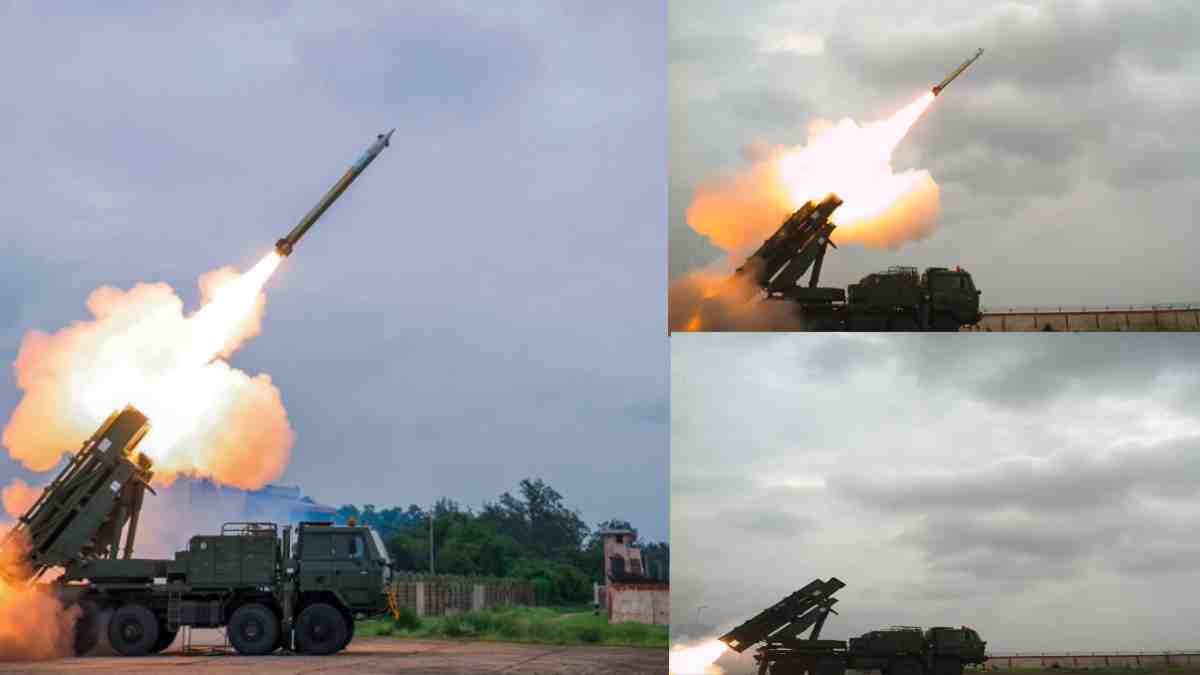
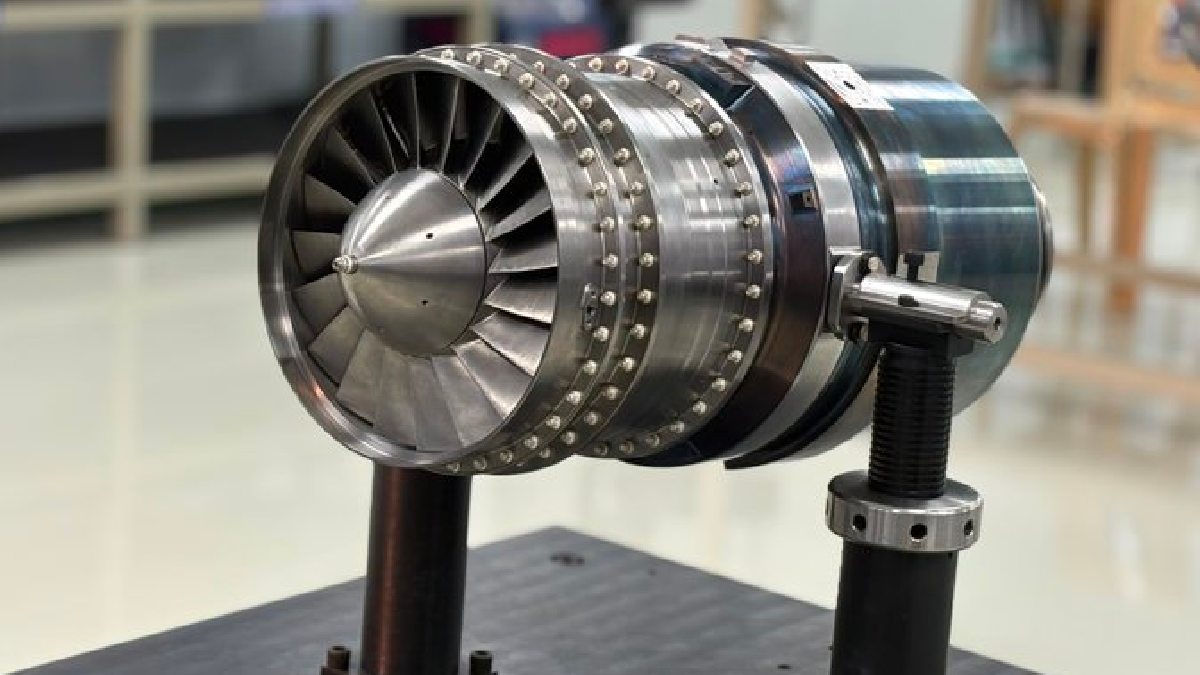
The Defence Research and Development Organisation (DRDO) has successfully completed the first flight-test of the indigenous ‘Kusha’ long-range surface-to-air missile, a major step in India’s efforts to enhance its home-grown air defence capabilities.
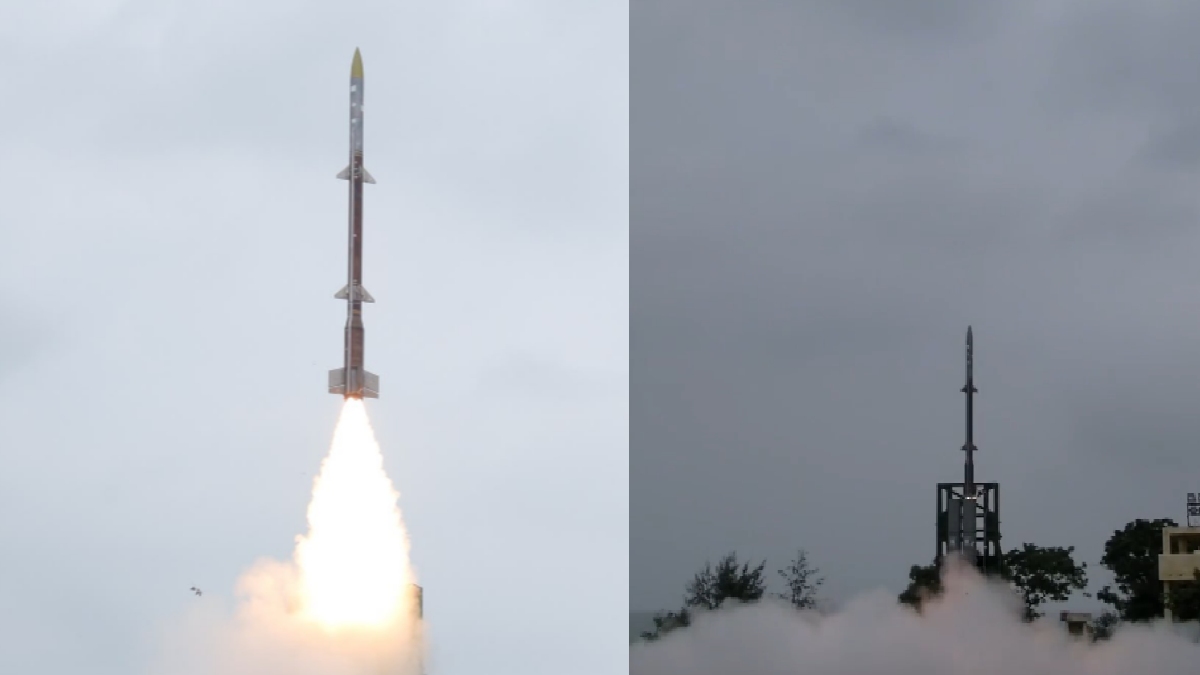
The test was carried out on 23 July 2026, from APJ Abdul Kalam Island off the coast of Odisha. The missile system successfully intercepted an electronic target that simulated a high-speed, high-altitude aerial threat, said Defence Ministry.
The successful trial marks the beginning of the flight-test phase for one of India's most ambitious long-range air defence programmes. Kusha is designed to contend with fighter aircraft, missiles, unmanned aerial vehicles and large enemy aircraft at different ranges and altitudes.
Part of the test was that the whole weapon system was involved and not just the missile interceptor. The system consists of missiles, radars and command-and-control elements developed by DRDO laboratories and Indian industry partners. This approach is aimed at creating an integrated air defence capability with a high degree of indigenous content.
Defence Minister Rajnath Singh said the successful test was a great step forward for India’s defence research and development efforts. He said the capability to develop advanced long-range surface-to-air missile systems is very limited and the Kusha programme will also lower India's reliance on imports for some of the most critical air defence technologies.

The programme is expected to be an important part of India’s plan for a layered air defence network. The system will be developed to combat multiple types of aerial threats and be a complement to other air defence platforms that are in place or in the process of being developed.
Kusha project, which was previously associated with the Extended Range Air Defence System and XRSAM programme, is expected to undergo further development trials before it will be deployed into service. The test flight is thus a very first step, but further flight tests are needed to validate the missile system in different scenarios.
The development also comes at a time when India is trying to build up domestic defence manufacturing, and reduce dependence on foreign suppliers for advanced military equipment. Indigenous development of long-range air defence systems would give India more control over production, upgrades, maintenance and future replenishment requirements.
The system is being developed by several DRDO laboratories and Indian industry partners. The wider programme involves interceptor technology, seekers, radars, command and control systems and industrial production capabilities.
The successful Kusha test is expected to strengthen India's long-term air defence modernisation efforts. Once fully developed and inducted, such systems would be a pillar of the nation’s layered defence architecture, combining with shorter- and medium-range systems to respond to threats in various engagement zones.
The test also illustrates the increasing role of Indian industry in major defence projects. Through the development of the missile and its associated systems by domestic laboratories and industry partners, the programme is part of a larger move by the country towards self-reliance in defence technology.
With the successful flight-test, the focus now turns to future development trials and testing of the system's performance on its intended operational envelope. Kusha is a step in India's push to build advanced, indigenous air defence capabilities and lessen reliance on foreign weapons.