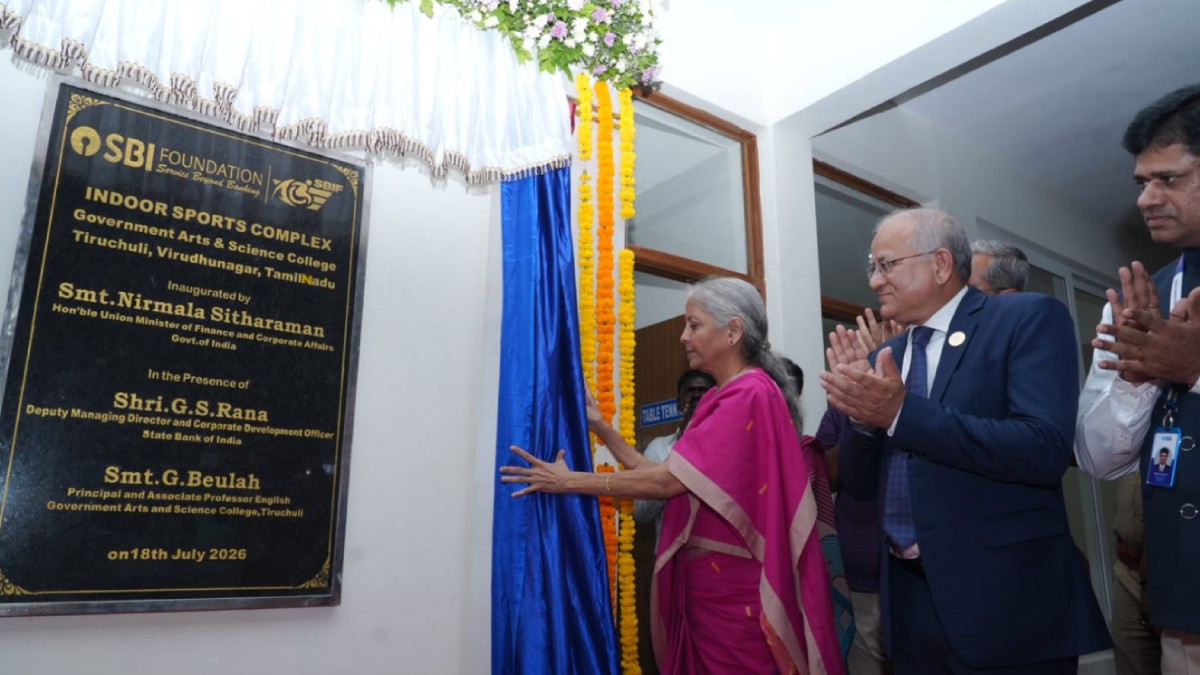
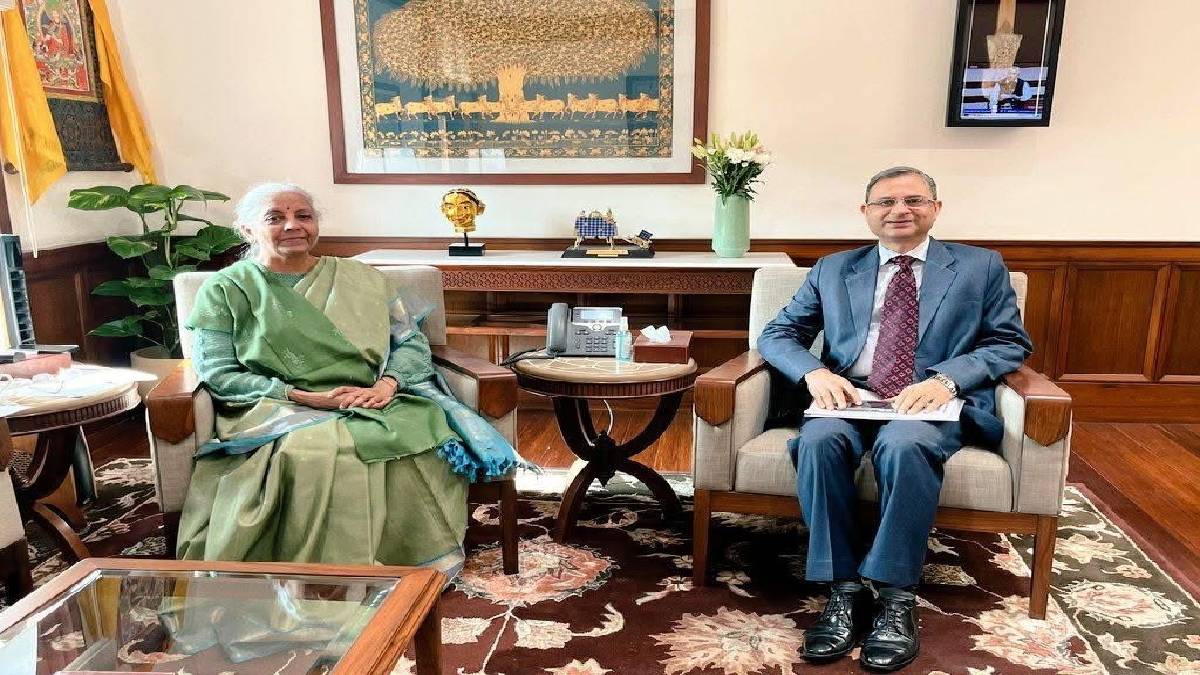
The Union Finance Minister Nirmala Sitharaman is accused of defending the paper leaks in the exams on social media while stating that it is beneficial for students. According to the viral posts, she said that paper leaks create opportunities for students and give them more time to prepare for exams. Many people felt she was justified in saying yes (she didn’t understand the true cause of the paper leak) because papers are leaked and so many aspirants are injured in this situation.
But a closer examination of her comments and the wider context shows that the viral claim is misleading.
Sitharaman made comments in a public meeting that she referred to feedback received from some students affected by examination paper leaks. She said that a few students had told the government that although the paper leak initially caused disappointment and uncertainty, the postponement of the examination gave them extra time to study, so they were able to perform better in the re-examination.
Some social media users interpreted those comments as an endorsement of paper leaks. Short video clips and selective excerpts began circulating online, accompanied by captions saying the Finance Minister thought paper leaks were actually beneficial for students. As the clips circulated across various platforms, the narrative quickly gained traction without the broader context of her statement.
Importantly, there is no evidence that Nirmala Sitharaman said paper leaks are good or should be encouraged, to be sure. She was only talking about students' experiences of having exams postponed due to paper leaks and not her own view.
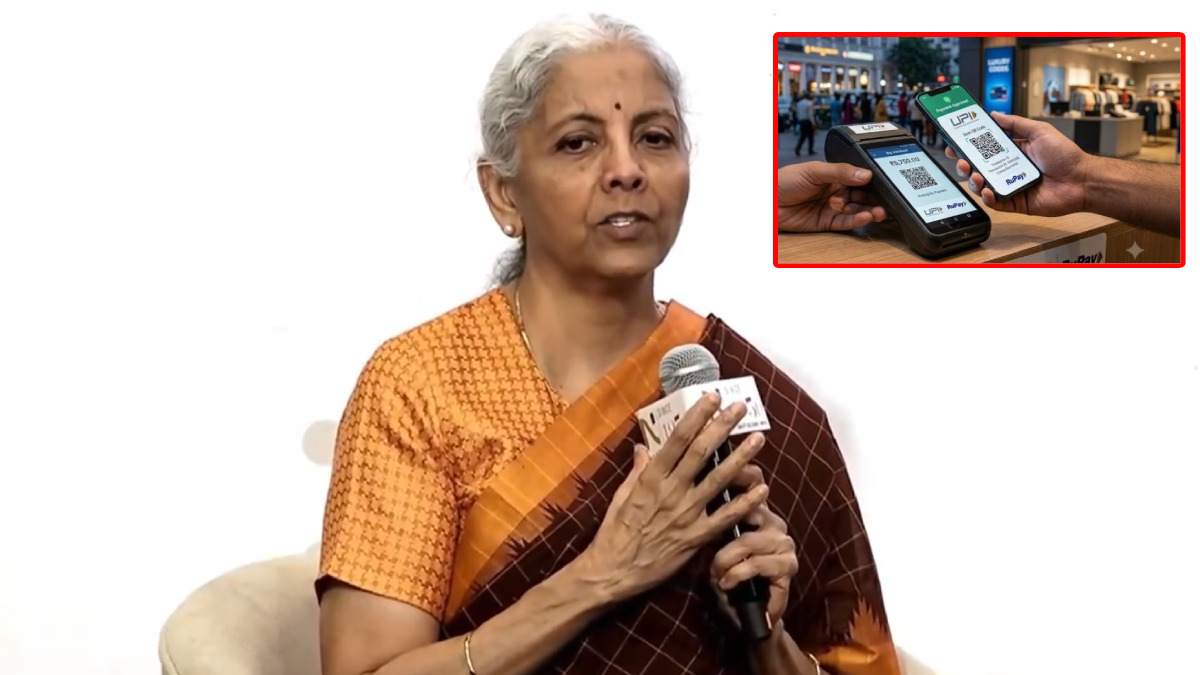
Sitharaman also continued to stress that the government had taken action against those responsible for examination paper leaks. "We are doing everything we can to get to the bottom of it and strengthen the examination system to prevent such a thing from happening in the future," she said.
Even so, her comments were roundly criticised by opposition leaders, student groups, and social media users. Many of them argued that to discuss any positive outcome (if any) that was achieved because of the paper leak might appear to be too rote and not sensitive to the anxiety, stress, and uncertainty faced by millions of students whose exams are disrupted by malpractice.
Paper leaks are one of the most serious challenges facing India’s competitive examination system. In recent years, several recruitment and entrance tests have been cancelled or delayed after question papers were leaked, causing a lot of time and emotional stress for many candidates who have spent months preparing for these high-stakes tests.
Fact-checkers and media organisations that reviewed the viral claim concluded that the statement being posted online did not provide the context it needed. While Sitharaman did mention that some students used the extra time to study well after exams were postponed, she did not identify paper leaks as desirable or beneficial in themselves. Just a few sentences without an explanation made an inaccurate impression.
The episode again underlines the importance of checking information before sharing it with the public on social media. Short video clips, edited speeches, or even just a few quotes can also distort the true meaning of a statement. Reading the entire speech and consulting reliable news sources is the most important thing to understand the context of any viral claim.
As misinformation spreads so quickly on digital platforms, experts say users can rely on accurate fact-checking organisations and official statements as opposed to viral posts that could have lost out on context or are inaccurate.
In this case, there is evidence that the viral claim exaggerates and misrepresents the Finance Minister's comments. Her comments were about students' experiences after postponed exams, not an endorsement or justification for examination paper leaks.