Prayagraj in Uttar Pradesh is facing a growing flood threat as the river levels of the Ganga and Yamuna rise, and areas with high river levels of the Ganga and Yamuna are too high, and some low-lying areas are already flooded. The swollen rivers are making the situation worse for residents, and the authorities’ concerns as water levels reach critical levels in parts of the city.
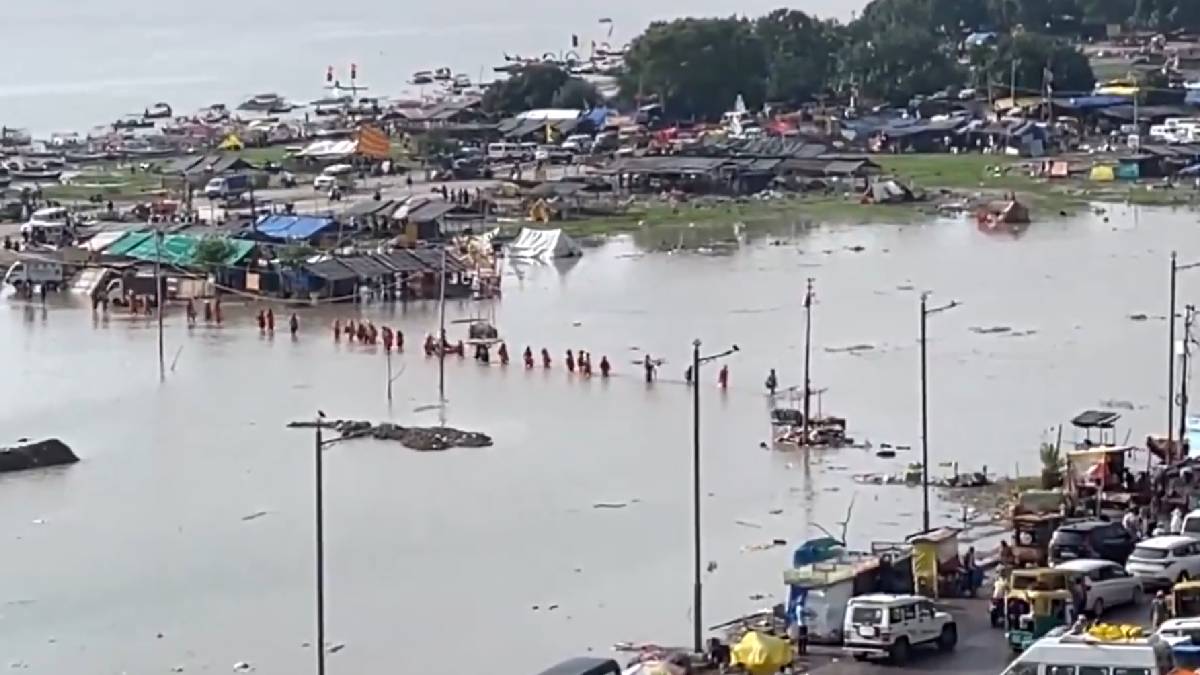
The rise in the two major rivers has hit areas close to their banks that are flooded in and around the river banks and have disrupted normal life. Residents in areas with poor safety and fire services are being advised to be vigilant and to follow the advice of district administration and disaster management.
Prayagraj is particularly vulnerable to flooding due to its location at the confluence of the Ganga and Yamuna. Heavy rains and high water discharge upstream will cause the water levels in both of the rivers to rise quickly, and could cause disaster to the settlements and infrastructure in low-lying areas.
The situation also affects movement in some neighborhoods as water has reached roads and other low-lying areas of the district. The authorities are monitoring river levels and checking on what is going on in vulnerable areas of the district.
UP : Prayagraj on flood alert as Ganga, Yamuna swell; low-lying areas inundated. pic.twitter.com/gqjElSkhAd
— News Arena India (@NewsArenaIndia) August 19, 2026
The rising water has raised concerns for residents living along riverbanks. Residents living along riverbanks may not be able to access essential resources in areas of heavy flooding because of inundation, and roads and local routes could be difficult to access when water is elevated.
District authorities and emergency personnel will have to keep an eye on the situation as the rivers continue to rise. Water levels will increase, and evacuation and relief procedures must take place now. Shelters and essential supplies will have to be made available to those who need to leave the most vulnerable locations.
The flood threat also poses serious public health issues. Standing floodwater is more likely to be a source of water contamination and create conditions favorable for the spread of waterborne diseases. Residents should avoid unnecessary contact with floodwater.
The electricity infrastructure in the affected areas will also be monitored by authorities. Water entering residential areas can also pose more hazards if electrical equipment, wires, and transformers are inundated. Residents should avoid entering submerged electrical installations and report hazards to the relevant departments.
As water levels increase, farmers and others living in riverbank areas are affected. Flooding can impact agricultural land, livestock, and local businesses, adding to the economic impact of flooding.
The Ganga and Yamuna are important to Prayagraj’s geography, culture, and daily life. But if the rivers swell above safe levels, the same rivers can become a hazard for communities living near their banks. Flood-management systems in the city depend on constant monitoring and early warnings.
People living in low-lying areas should have documents, medicines, and other essentials ready if they need to be evacuated. They should look for official information rather than unverified information circulating on social media.
There is still rainfall and water discharge from upstream areas. If the inflow increases even more, the rivers can rise even faster, potentially expanding the areas affected by flooding.
The Ganga and Yamuna water levels are expected to continue to be monitored, and precautionary measures will be taken as the situation changes. Emergency response teams may be activated if the flood threat to vulnerable areas becomes more imminent.
Prayagraj remains on high alert as the swelling Ganga and Yamuna have already inundated many low-lying areas. The next hours and days will determine whether a more widespread flood emergency will take place with the coming rains.
Residents are advised to be wary of moving into flooded areas and follow local authorities' advice. Preparation and timely evacuation will be key to saving lives and minimizing the impact of flooding.