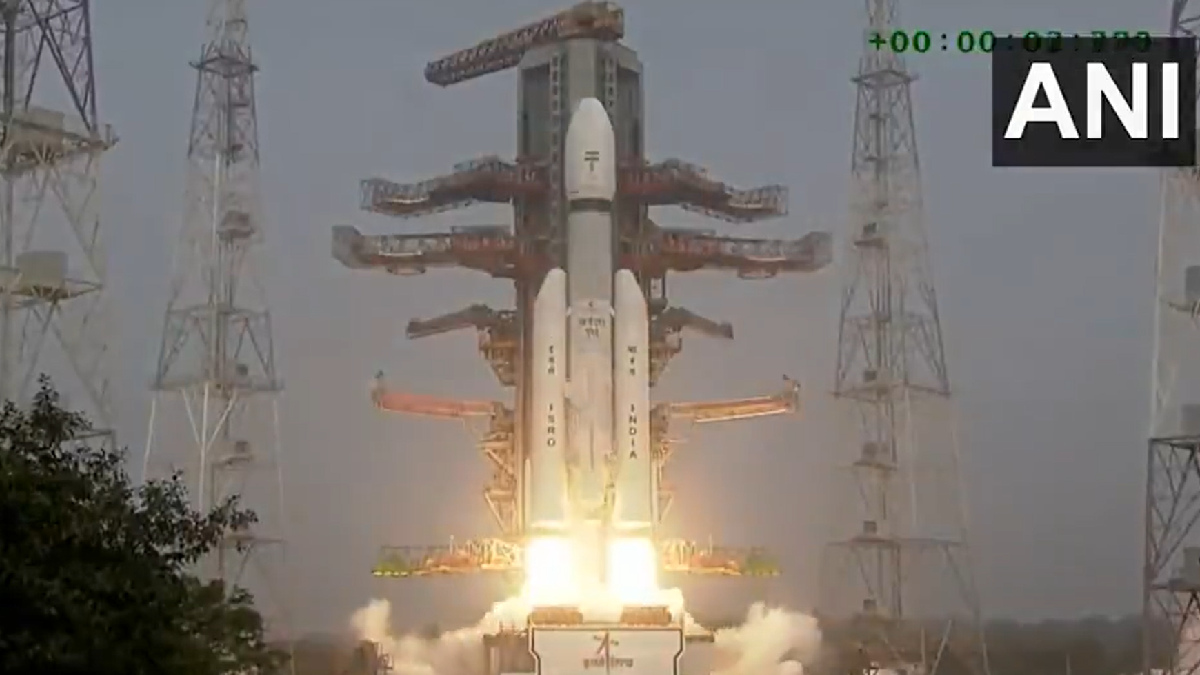
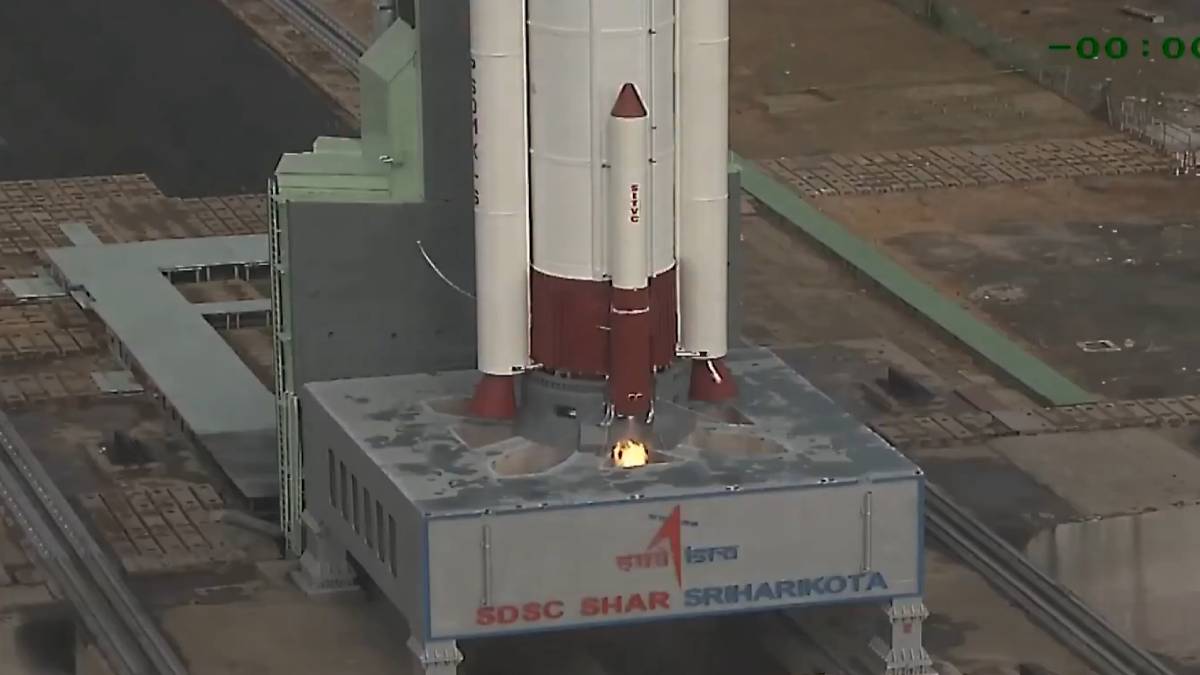
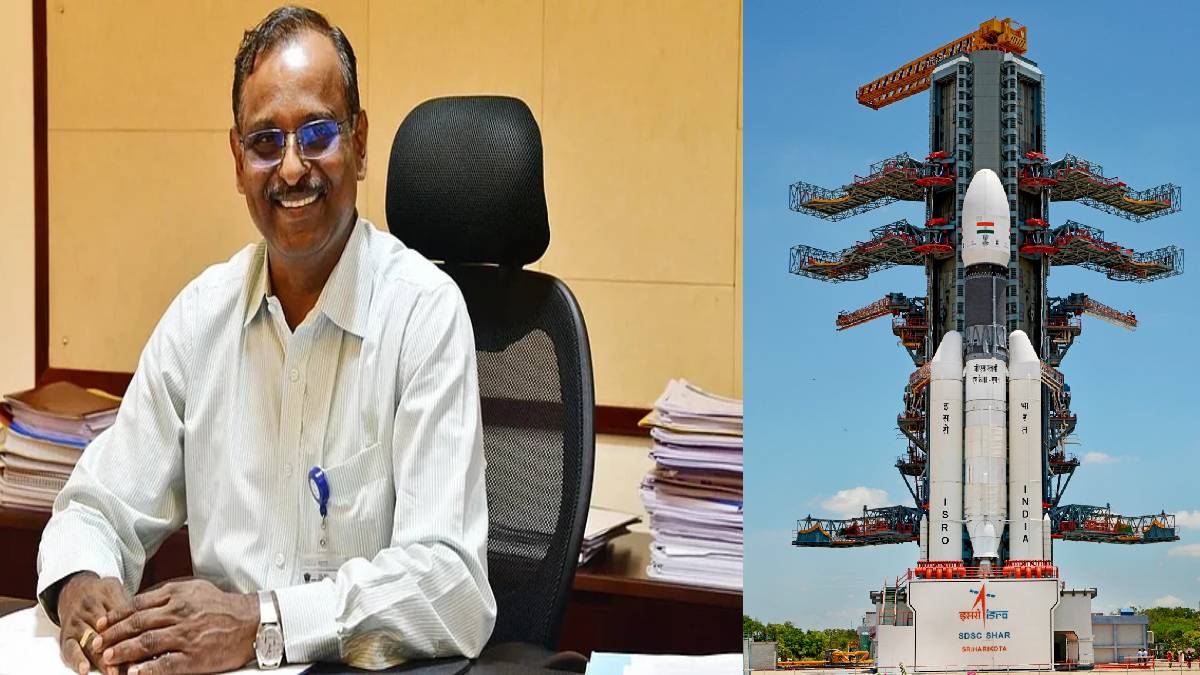
The Indian Space Research Organisation (ISRO) has completed three major tests on the Gaganyaan crew module systems, marking another significant achievement in India’s ambitious human spaceflight programme.
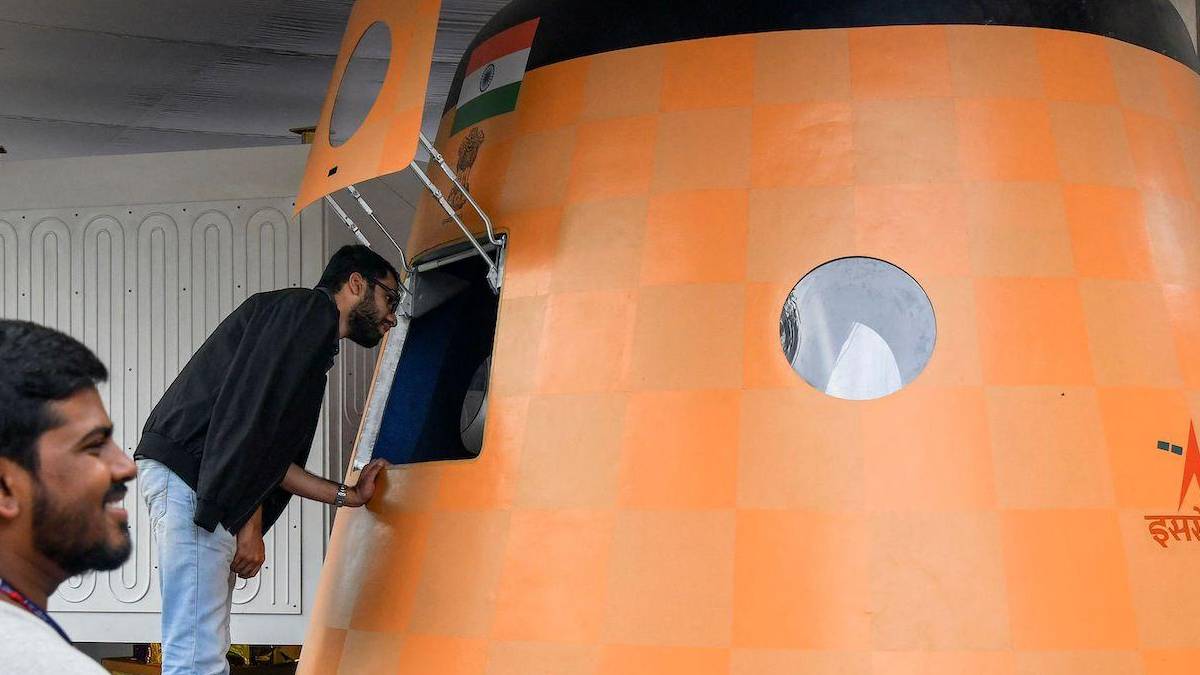
The successful trials validate the major technologies that will ensure astronaut safety and enhance the mission’s overall reliability before India’s first crewed space mission takes flight.
The new tests were particularly focused on the systems integrated in the Gaganyaan Crew Module, which is the vehicle for bringing Indian astronauts, Gaganyatris, to space safely and return to Earth with a minimum of risk.
These tests are part of ISRO's rigorous qualification process to ensure each and every component is tested to be suitable for any mission.
Critical Systems Put Through Rigorous Evaluation
According to ISRO, the three tests evaluated the essential crew module systems in simulated operational environments. These were the performance of the key mechanisms which are responsible for structural integrity, onboard functionality and astronaut safety during different phases of the mission.
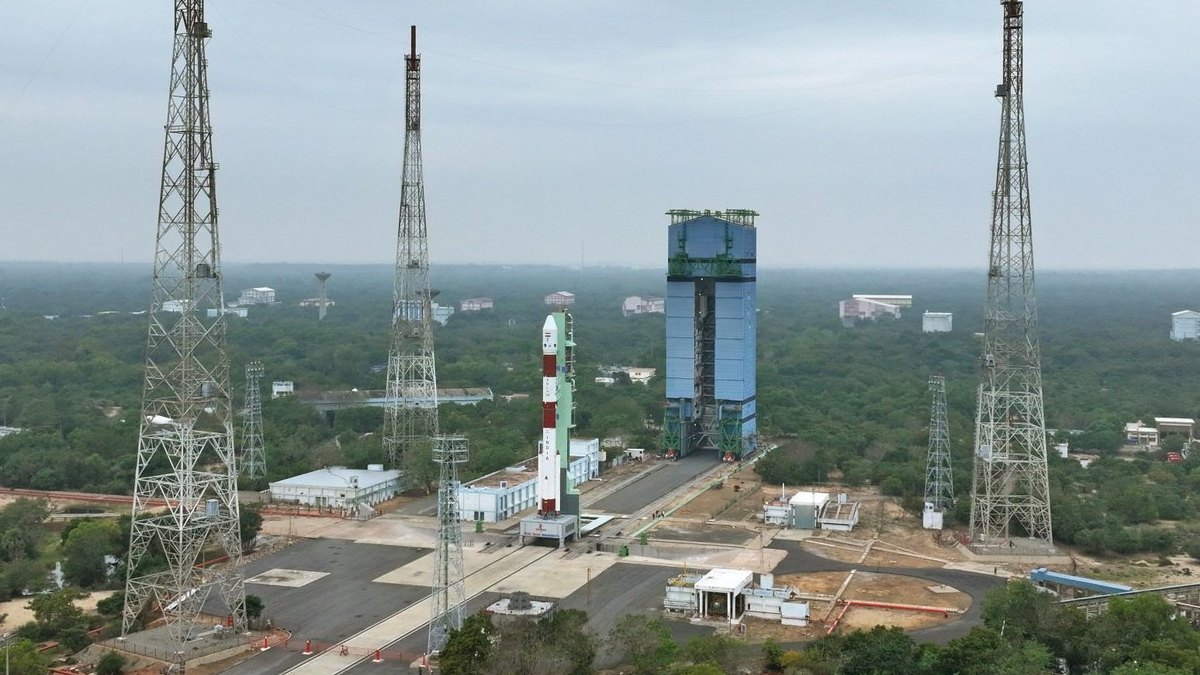
The tests proved that the systems met all the expected performance requirements. Engineers monitored each experiment in order to verify the performance and durability of the hardware for the next step of mission preparation.
The successful completion of these evaluations increases confidence in the crew module's readiness for future integrated tests and ultimately human spaceflight.
A Major Step Towards India's First Human Spaceflight
Gaganyaan is India’s flagship human spaceflight programme which aims at sending a crew of Indian astronauts to low-Earth orbit on an indigenously developed spacecraft. This is one of the country’s most complex science and engineering missions.
Over the last few years, ISRO has had several important demonstrations, including the Crew Escape System test, parachute deployment trials, propulsion system tests, environmental tests, and recovery exercises. Each step of the journey moves the mission closer to launch readiness.
The new crew module system tests also strengthen confidence that the key onboard technologies are capable of handling the operational load while maintaining astronaut safety throughout the mission.
GAGAN, Guiding India’s next leap
— Vinod Tawde (@TawdeVinod) July 13, 2026
Developed by ISRO and the Airports Authority of India, GAGAN, India’s indigenous satellite navigation system, delivers accurate navigation, safer landings and reliable positioning while supporting aviation, defence, maritime, railways, disaster… pic.twitter.com/cEu0THpSQ7
Focus on Crew Safety
Safety is the top priority for ISRO in the Gaganyaan programme. Each subsystem undergoes many rounds of testing and is tested in different environments and on different types of missions so that astronauts can avoid any risk before entering the spacecraft.
The crew module is built to protect astronauts from launch through orbital operations and atmospheric re-entry. It has advanced life-support interfaces, thermal protection systems, navigation equipment and recovery mechanisms that are critical for certification.
The successful tests also confirm ISRO's systematic approach to mission assurance and the agency's commitment to the international standards of human spaceflight.
India Moves Closer to Space History
With each successful qualification test, India moves a step closer to joining the select group of nations capable of independently launching humans into space.
The Gaganyaan mission will strengthen India’s technological capabilities, drive innovation in aerospace engineering and inspire a new generation of scientists and engineers.
More than human spaceflight, many of the technologies developed under the programme are expected to benefit future space exploration missions and advanced scientific research.
The successful completion of these three crew module system tests is another important milestone in ISRO's carefully designed roadmap, and brings the historic Gaganyaan mission one step closer to becoming a reality.