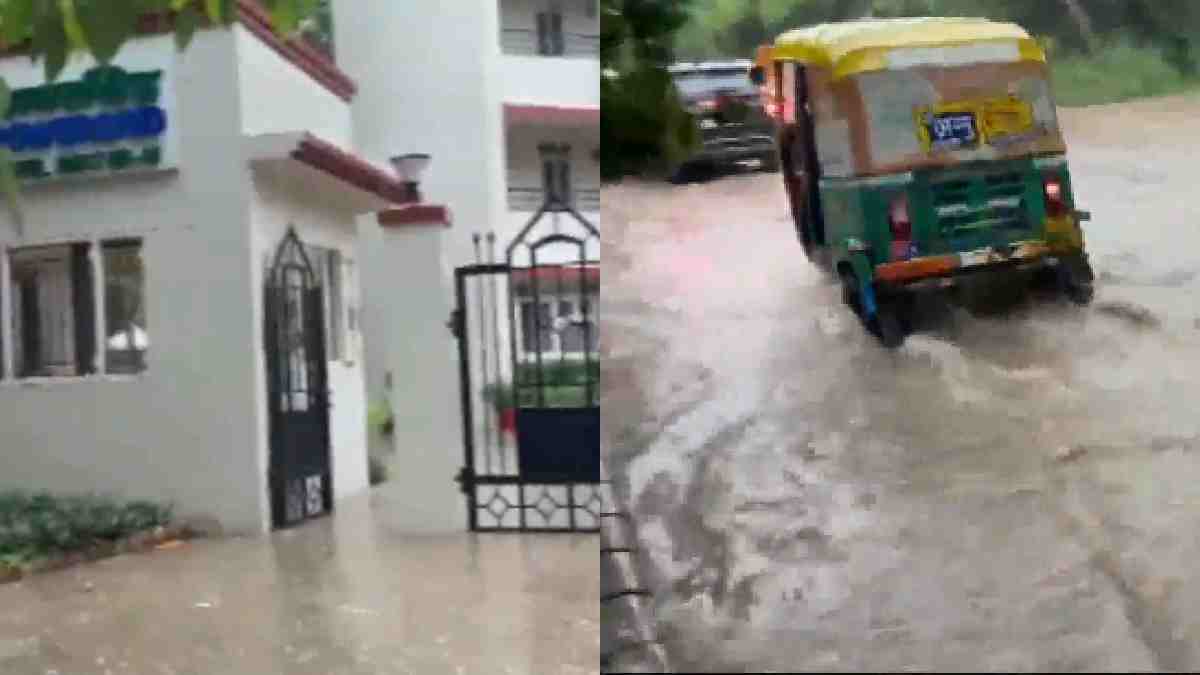
Gurugram has been struck with huge rainfall-related problems, with waterlogging, traffic gridlock and difficult commuting in all parts of the city once again in recent weeks.
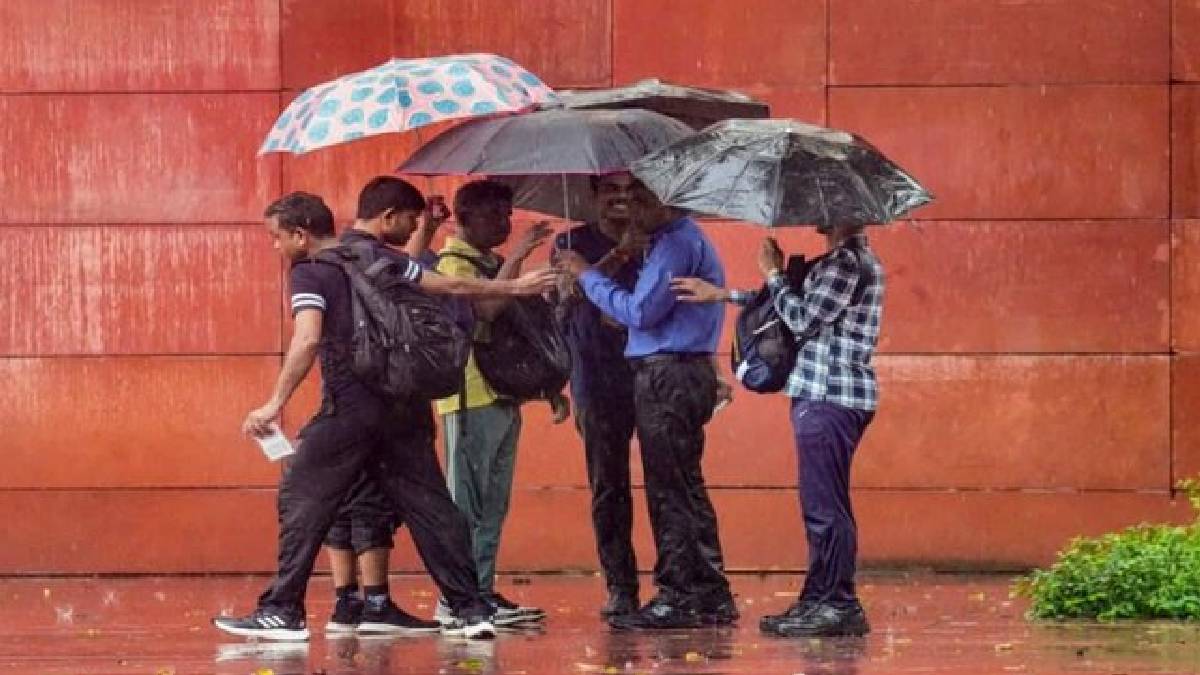
In response, corporate offices and private businesses have called on workers to work from home to reduce traffic on the roads and also so that emergency services can go about work at leisure.
The advisory is coming as severe monsoon showers have been affecting many major roads and intersections in Gurugram. Waterlogging has halted normal traffic flow and commuters have been waiting in traffic lines and in flooded areas.
And employees are also worrying about traveling far-off to reach offices during heavy rainfall.
Is work from home mandatory
Note that the advisory advises companies to work from home but does not mean that every private sector employee has received a mandatory holiday or universal WFH order.

Individual companies can decide whether employees will work remotely in line with their operational needs, safety considerations and internal policies.
So HR departments should inform employees to read the company's official communication from their HR departments and report to managers or employers before assuming offices are closed.
The difference is especially important as employees may still have to go to work to do work because they cannot be done remotely.
Why authorities are encouraging WFH
The reduction in number of vehicles on Gurugram's roads can alleviate congestion during severe weather. Fewer commuters getting to the office also means less pressure on flooded roads, underpasses and major intersections.
The authorities have previously said that roads should be opened for emergency and other essential services during heavy rainfall.
The new advisory aims to minimize unnecessary movement in this light also to avoid unnecessary movement while weather-related disruption is not less of a concern.
As long as the workers can work remotely, staying home will keep them away from waterlogged roads, stranded vehicles and long-running traffic jams.
What Employees Should Do
Employees should first check if a WFH instruction has been issued by their company. Remotely employed workers should ensure they are still able to reach out to the company via official means and attend meetings as normal.
When traveling to work, employees should check traffic and weather conditions; they need to be aware of the situation.
They should avoid flooded roads and underpasses and allow additional travel time before leaving.
The situation also shows Gurugram, one of India’s biggest corporate hubs, a broader problem. Subsequent heavy rains are a testament to the way waterlogging and traffic disruption can impact daily office life and how quickly we can get used to it.
In the face of heavy rain, the WFH advisory will allow companies to focus on employee safety and to keep core business operations going remotely where possible.