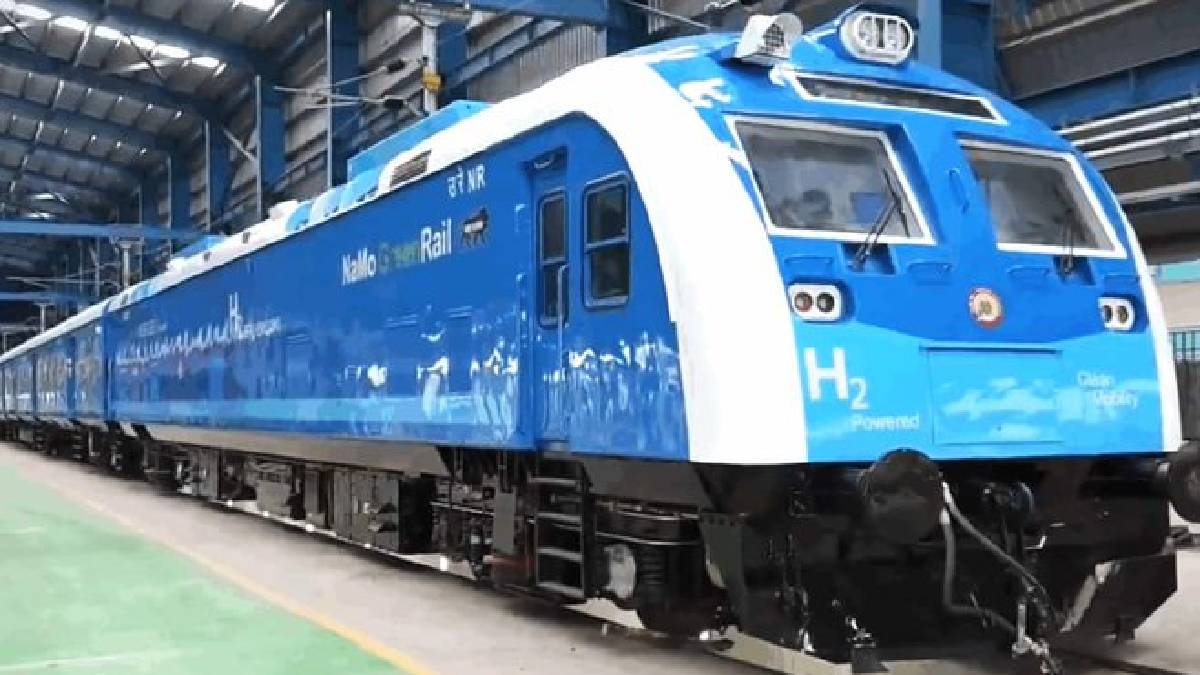
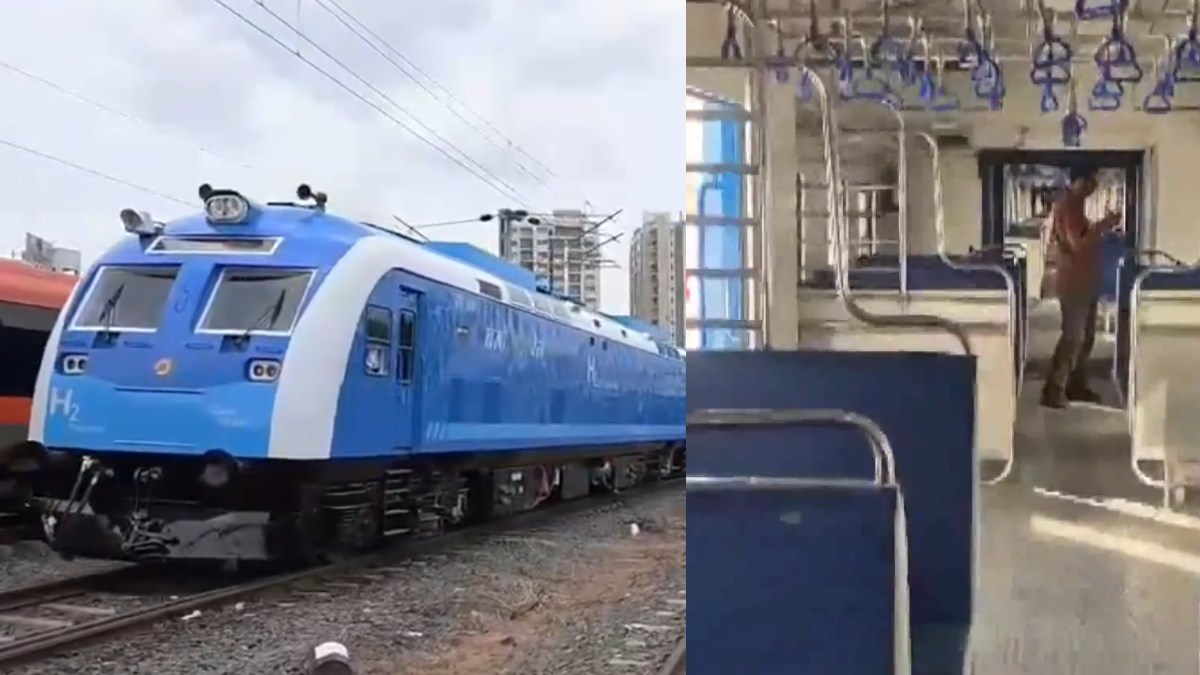
Indian Railways is going to take a step further in the green movement to build an end-to-end towards sustainable transportation by installing 35 hydrogen trains in the country by 2030 to provide hydrogen-powered trains under its ambitious “Hydrogen for Heritage” initiative as part of a plan to use clean-energy trains on heritage and scenic routes in addition to modernizing its railway network.
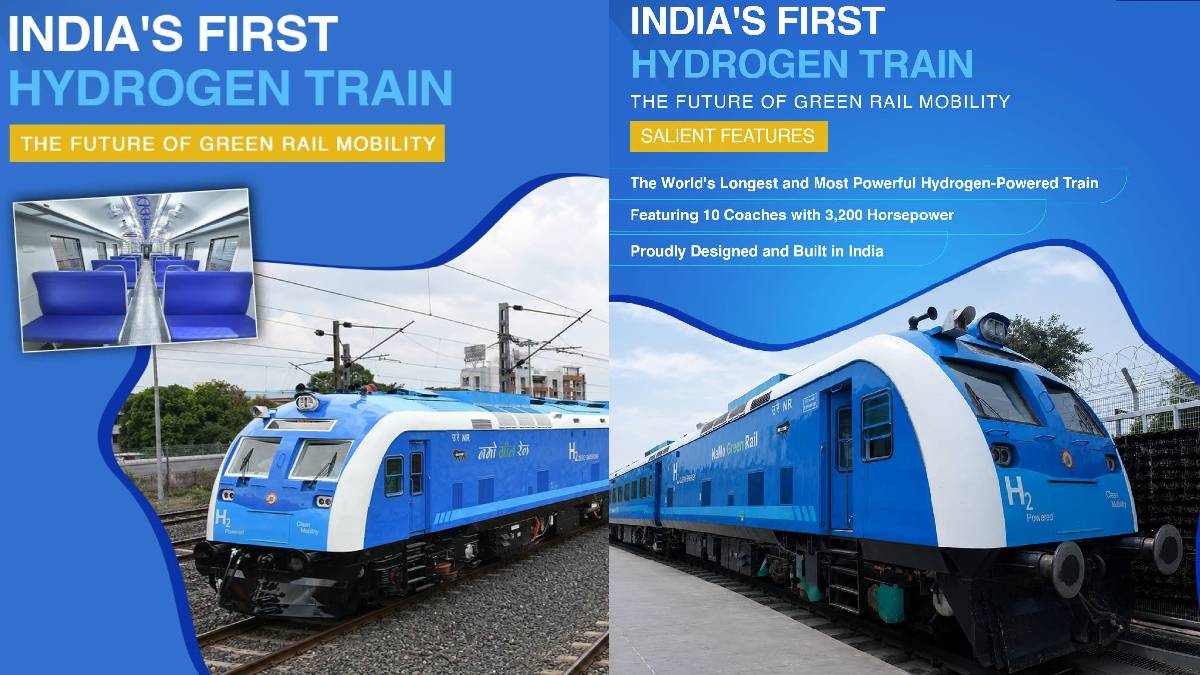
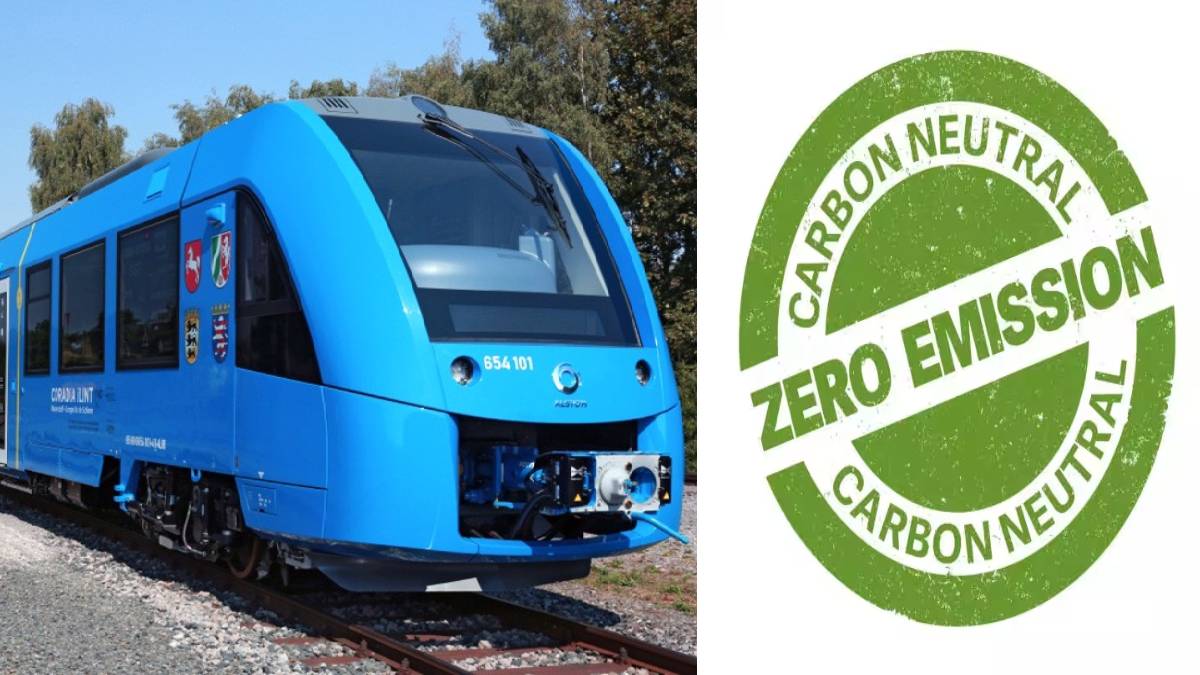
Hydrogen-powered trains are among the most promising alternatives to diesel-powered locomotives. Instead of burning fossil fuels, hydrogen fuel cells generate electricity in these trains. The only direct emission from that process is water vapour, so hydrogen trains are an environmentally friendly option for rail transport.
The “Hydrogen for Heritage” initiative is expected to target heritage networks where electrification is an obstacle or where maintaining the history of railway infrastructure is a priority. With hydrogen-powered trains deployed on these routes, Indian Railways is putting sustainable technology to use in conjunction with tourism, and passengers’ own experience of travel can be a cleaner one.
Hydrogen fuel cell technology combines hydrogen and oxygen in a fuel cell to produce electricity, which powers the train’s motors. Unlike diesel engines, fuel cells do not produce toxic exhaust gases such as carbon dioxide, nitrogen oxides, or particulate matter. This makes hydrogen trains attractive to countries that want to decarbonize public transportation.
The introduction of 35 hydrogen-powered trains is in line with India's overall clean energy goals of achieving net zero emissions in the long term and the use of renewable energy across sectors. Indian Railways already has a few green initiatives: it has electrified railway lines, installed solar power plants, installed energy-efficient stations, and installed bio-toilets and LED lighting on its network.
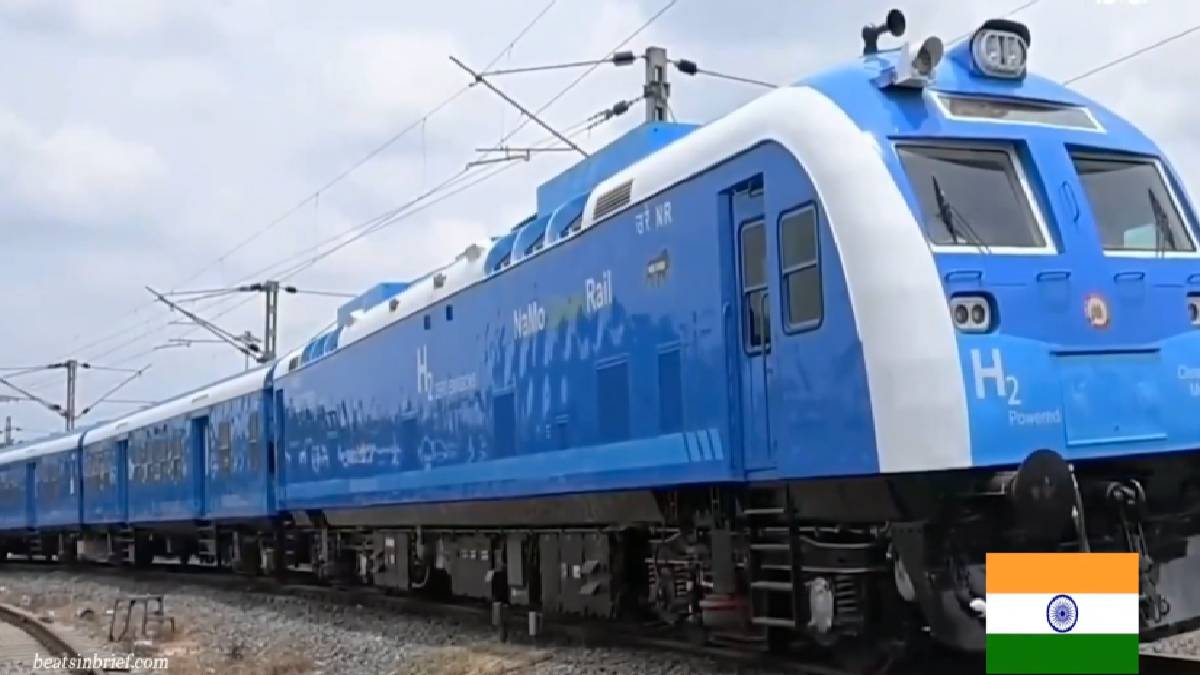
Hydrogen trains also have multiple operational advantages beyond the environmental benefits. They are quieter than diesel locomotives, less expensive to maintain, and less reliant on moving mechanical components, and they operate efficiently on non-electrified routes without requiring expensive overhead electric infrastructure. This makes them suitable for remote, rural, and heritage rail corridors.
The initiative is also expected to boost India's hydrogen economy. If hydrogen-driven transportation becomes more prevalent, then investing in hydrogen production, storage, refueling infrastructure, and fuel cell manufacturing will be encouraged. Such developments would be a contribution to the government’s National Green Hydrogen Mission and would also drive domestic innovation in clean-energy technologies.
Passengers traveling on hydrogen-powered trains can expect a modern travel experience with less environmental impact. Since the trains emit only water vapour, they contribute to better air quality and reduced greenhouse gas emissions, making them an important component of India’s sustainable mobility strategy.
The "Hydrogen for Heritage" programme will also boost tourism with the introduction of advanced green technology on some of the most picturesque train routes in the country. Heritage railways attract thousands of domestic and international tourists every year, and the introduction of hydrogen-powered trains will position India as a global leader in heritage preservation with environmentally friendly transportation.
The successful deployment of hydrogen trains will allow for more widespread adoption of hydrogen technology in India's transport sector, including buses, trucks, and other heavy-duty vehicles. It can also help India to stand out among nations investing in providing clean mobility solutions for transportation.
As Indian Railways continues its modernization journey, the planned operation of 35 hydrogen-powered trains demonstrates the organization’s commitment to innovation, sustainability, and passenger-friendly infrastructure. Not only does this move help to meet India’s environmental objectives, but it also shows how advanced technology can transform one of the world’s largest railway networks into a cleaner, greener, and more efficient transportation system for the future.