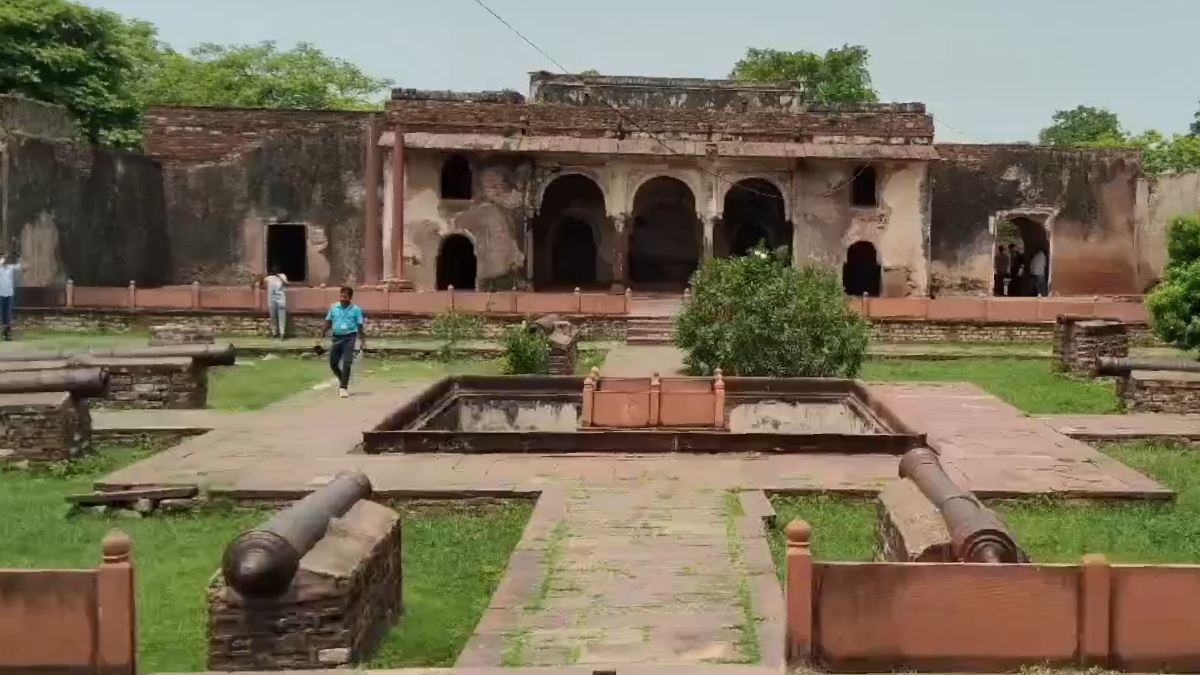
An ancient military treasure has been stolen overnight in a daring midnight theft of the country’s sensitive monuments in a raid that has raised serious questions about the security of its guardianship. A 3,000-kg Scindia-era cannon believed to date back to the 16th century was stolen from the historic Narwar Fort of Madhya Pradesh’s Shivpuri district when an armed gang broke in, overpowered security forces and fled with the ancient battle-proven weapon, the Indian government said.
We have been shocked and horrified by the theft, historians and heritage conservationists say, but the investigation is at the moment investigating whether it is linked to an international artefact smuggling network.
Armed gang executed well-planned overnight heist
According to initial reports, the theft took place on the night of July 15-16 when a group of around 25 to 30 armed men entered Narwar Fort through a rear entrance.
The gang reportedly targeted one of the 14 historic cannons, which are displayed in the open Kachhari (court) complex of the fort. Security personnel at the site said the intruders threatened them with guns and warned to attack them if they tried to resist.
The guards were unable to stop the theft at the time, when they faced heavily armed attackers. By the time the gang escaped, one of the fort’s most precious historical artefacts had been stolen, reducing the number of cannons at the site from 14 to 13.

Crane and truck used to remove 3-tonne cannon
The operation was well planned, the investigators believe.
Because the cannon weighs about 3,000 kilograms, the gang arrived with a crane and a truck specifically designed to move the huge object.
The police believe that the accused had studied the area ahead and picked an access route that let them load the cannon and leave without getting too much attention.
The scale of the operation has raised questions as to how such a large object could be removed from a protected heritage site without being intercepted.
The security guard recounts the incident
Balkishan, the security guard on duty during the incident, described a helpless situation.
According to his account, the attackers were carrying modern firearms while the security staff had only a wooden stick for protection.
He also claimed that the fort had little lighting, and even basic equipment like torches, so it was difficult to respond during the night.
The guard said the armed men threatened to kill him if he attempted to intervene and had to step aside to save his life.
His statement has led to much more criticism of how security arrangements at the centuries-old monument are kept up.
Warning signs allegedly ignored
The incident is all the more concerning because there were reports of suspicious activity at Narwar Fort for nearly 12 days before the theft.
Despite these warnings, no further security measures or surveillance measures were imposed, said people.
The alleged failure to act on early warning signs has prompted questions about whether the theft could have been prevented through better monitoring and protection.
A priceless piece of India’s heritage
The stolen cannon is not only a historical marker of India’s military and metallurgical heritage but also the most symbolic one in modern India.
Experts believe it dates back to the 16th century and reflects the advanced metalworking techniques and warfare technology of its era.
It has very rich carvings in its inscriptions and has historical craftsmanship of it, so it is an indispensable archaeological piece in the larger sense than its material value.
Although it is difficult to assign a monetary value to such an object, experts say that rare historical artefacts can fetch huge sums in illegal international markets and are therefore attractive targets for organized smuggling networks.
Police probe international smuggling angle
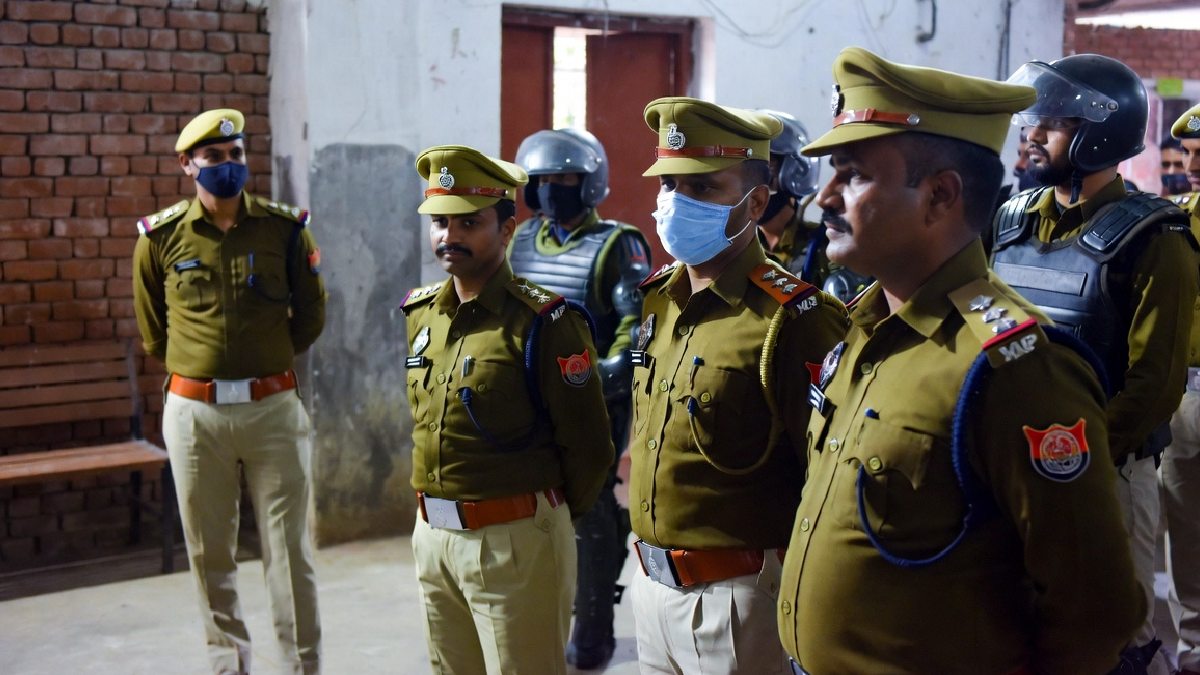
After the theft, police registered a case against unidentified suspects under robbery and other relevant legal provisions.
Investigators are currently looking at CCTV footage from adjacent locations and the cyber cell is involved to examine if any links exist with organized groups involved in the illegal trafficking of antiquities.
Karera Sub-Divisional Officer of Police (SDOP) Prashant Sharma said the possibility of an international artefact smuggling network being involved has not been ruled out.
Hence police now are trying to trace the movements of heavy vehicles used during the crime and collect technical evidence to identify those responsible.
Archaeology Department orders security review
The theft has also caused an immediate response from the State Archaeology Department.
Deputy Director Tarun Kumar Mahobia described the incident as extremely serious and announced that he would personally visit Narwar Fort to review its security arrangements.
He said police officials would be in conversations to make sure the stolen cannon was recovered and avoid a similar incident in the future.
The incident once again shows how susceptible many historical monuments are in India, where security infrastructure is so poor that precious artefacts are often stolen and vandalized.
As the investigation is ongoing, historians and conservationists hope the stolen cannon will be recovered before it gets into the illegal international antiquities market. The case has also reignited calls for more sophisticated surveillance systems, trained security personnel and more robust security in India’s most vital heritage sites and how all of the country’s historical monuments should be safeguarded for the future generations to come.