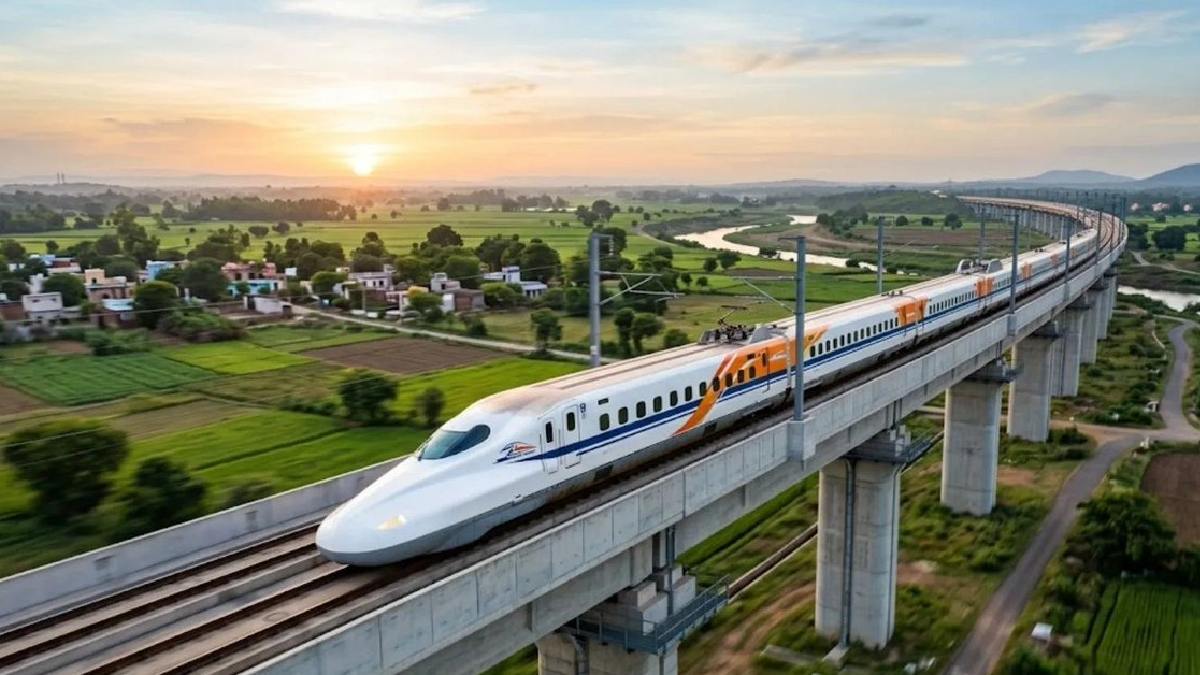
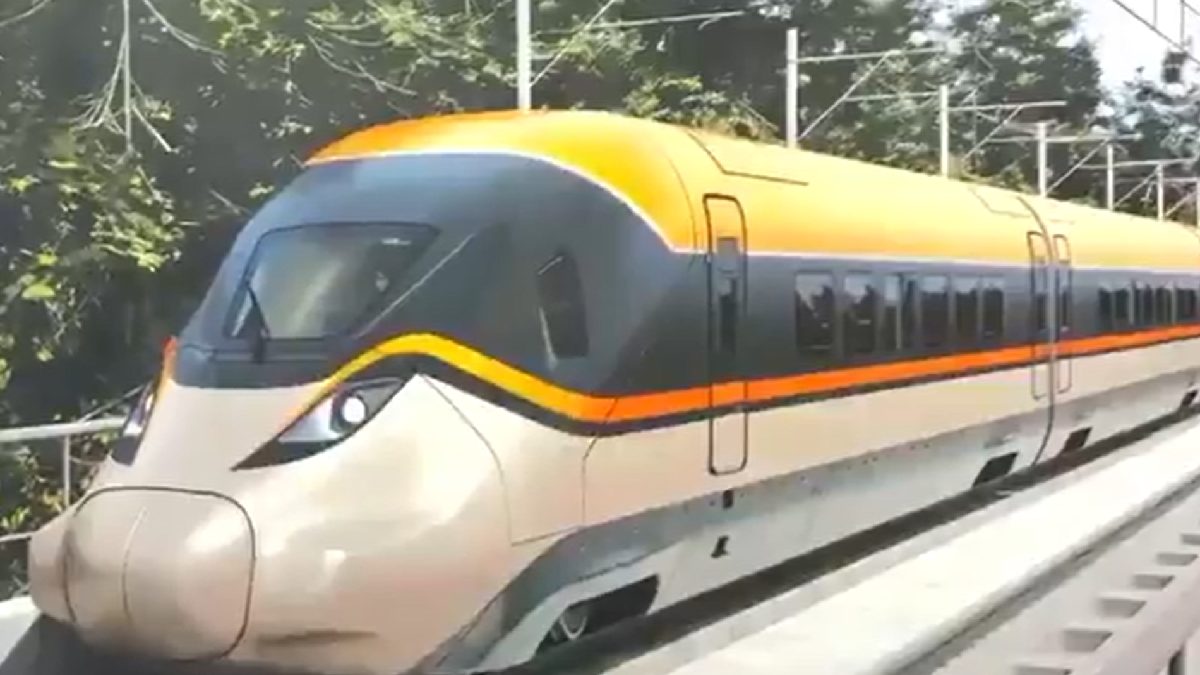
India's high-speed rail ambitions are entering a new phase as the country develops its own indigenous bullet train technology and an internationally compatible signalling system. The strategic change comes after Japan said that the delivery timeline for its next-generation E10 Shinkansen trains is expected to extend beyond 2034, and India has decided to accelerate the development of a homegrown high-speed rail platform.
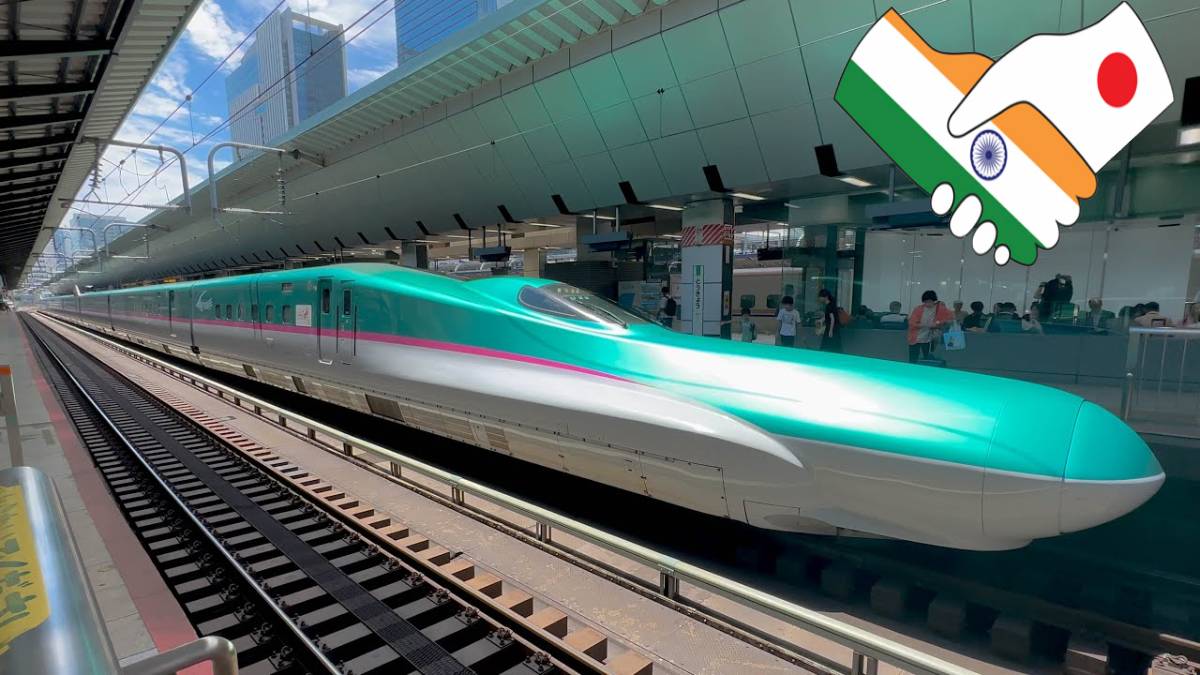
The move is a significant step towards India’s long-term goal of becoming self-reliant in high-speed railway technology and a partnership with Japan on high-speed rail infrastructure. Rather than waiting for the next generation of Japanese trains, India will leverage the Mumbai–Ahmedabad High-Speed Rail project and design its own bullet trains to run on future high-speed corridors.
The Mumbai-Ahmedabad Bullet Train project, India's first high-speed railway line, has been developed with Japanese support in terms of financing, engineering expertise, and Shinkansen technology. Initially, the corridor was expected to be available with Japan's advanced E10 Shinkansen trains, but given that the E10 is still under development and commercial operation is expected after 2034, India has opted for an indigenous route in order not to delay its expansion.
Developing a domestic bullet train would give India more flexibility to design trains suited to local operating conditions, climate, passenger demand, and maintenance. It would also curb reliance on imported rolling stock and strengthen the country's railway manufacturing capacity with the larger concept of technological self-reliance.
The most important component of the new strategy is the adoption of an international signalling system for future high-speed operations. Modern signalling technologies are the backbone of high-speed rail, ensuring safe train operations by providing continuous communication, automatic train protection, real-time monitoring and precise traffic management. With the right signalling standard globally accepted to be compatible with more than one type of train technology, and is safe in any case with world-class safety standards.
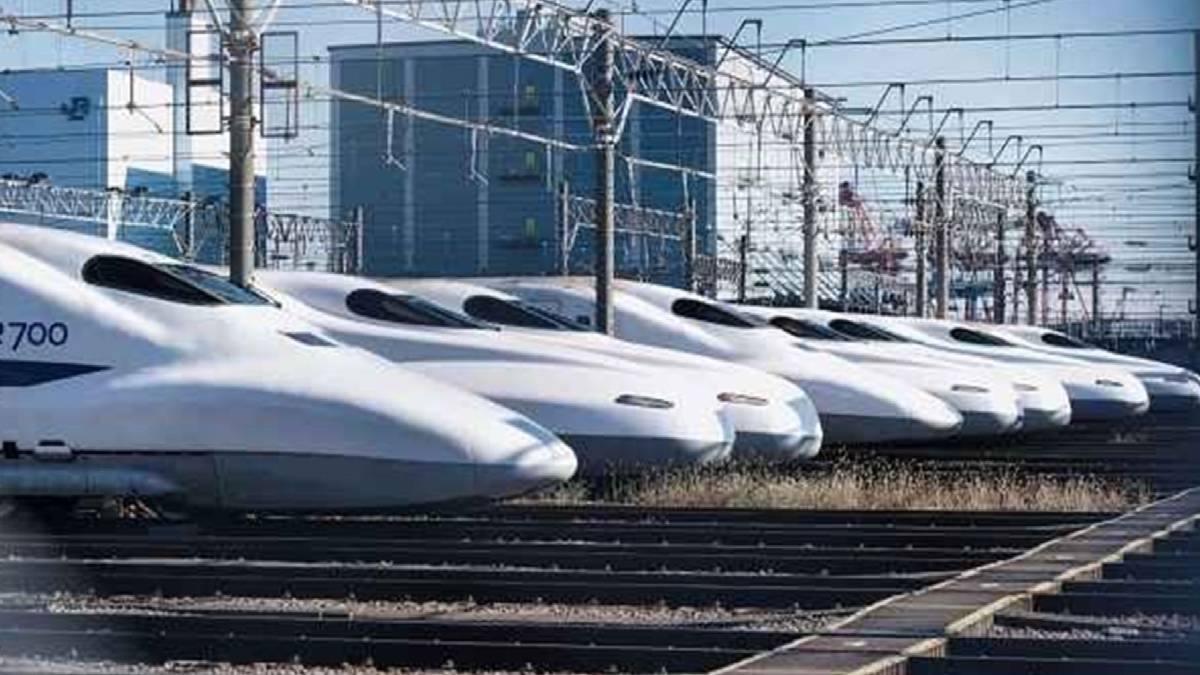
The decision also opens opportunities for Indian railway companies, research institutions, and engineering companies to contribute to advanced rolling stock, propulsion systems, lightweight materials, braking technologies, digital control systems, and onboard passenger amenities. It would also strengthen India's growing rail manufacturing sector in the near future and make it an exporter of high-speed rail technology.
The Mumbai-Ahmedabad project experience can serve as a keystone for this transition. Indian engineers, technicians, and railway staff have already gained knowledge when designing and building a high-speed railway network, including elevated viaducts, tunnels, bridges, stations, and track systems built to Shinkansen standards. That knowledge can now be used for designing and developing an indigenous high-speed train platform for the country.
The overall economic impact of developing a domestic bullet train could be substantial. We would be creating opportunities for manufacturing advanced trains in India - specifically in steel, electrical equipment, electronics, precision engineering, software development, battery technologies, and advanced materials. It would also create thousands of skilled jobs while stimulating innovation in the country’s transportation sector.
High-speed rail will be able to provide passengers with much shorter travel times, more comfort, safety, and reliable services to major economic centers. And as India’s high-speed corridors grow in the future, locally developed trains will be essential for affordable and scalable operations.
India’s decision does not diminish the strategic partnership with Japan. But it is also a manifestation of a shift in the relationship; Japanese expertise is still useful in supporting infrastructure development as well as the development of new capabilities in train manufacturing and systems integration, and India’s own capability in train production and integration is being built. The Mumbai-Ahmedabad corridor is still a major symbol of India-Japan cooperation and is the country’s entry point to high-speed rail.
The world's high-speed rail systems are increasingly investing in domestic manufacturing, and as such, supply chains and long-term cost-effective operations. India is doing so and is going to become a major player in advanced railway technology.
Although the development of a local bullet train will take years of research, testing, certification, and infrastructure integration, it is the first step in a sustainable high-speed rail network in the future. If integrated with international-standard signalling systems and continued infrastructure investment to build a transport network in India, this new model will be the basis for high-speed transportation that is safer, faster, and more efficient for future development.