India is emerging as an important alternative source of fuel for Kenya as disruptions linked to tensions in West Asia force the East African country to diversify its petroleum supply routes.
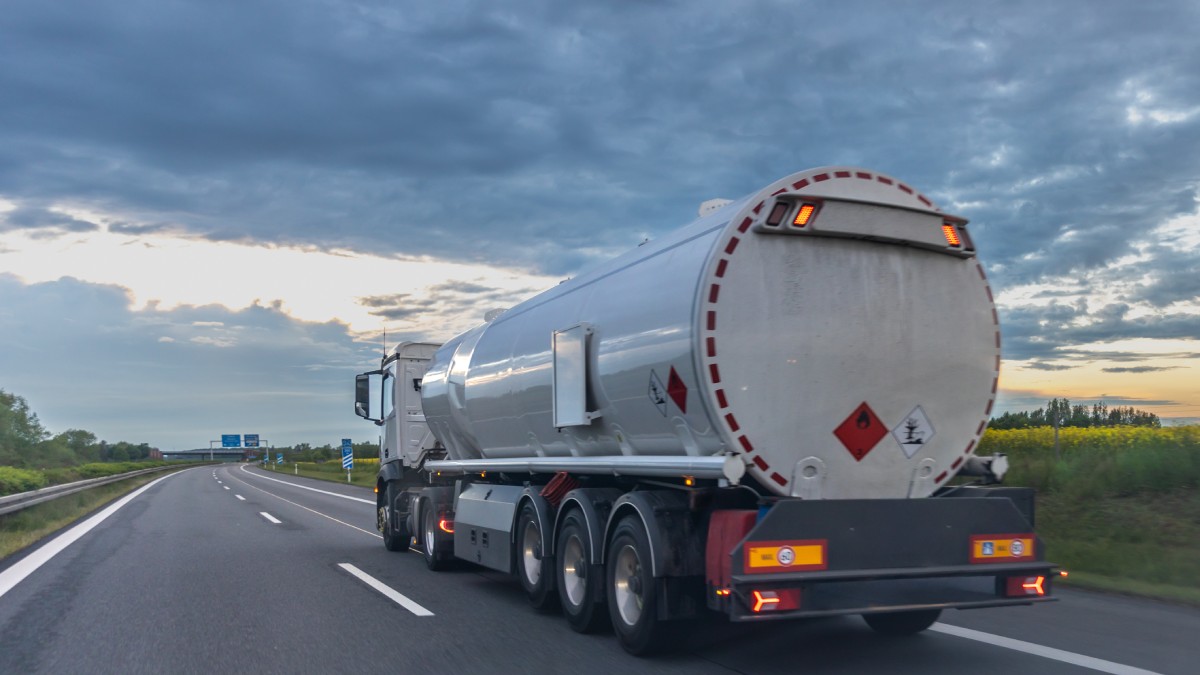
Kenya has traditionally relied on fuel from the Gulf region. But security concerns regarding the Strait of Hormuz have made suppliers look for other loading points.
India is now the country playing a bigger role in this changing supply network, with petroleum products being loaded from Indian ports and shipped to Kenya.
The development is also a sign of India’s increasing importance as an international refining and petroleum product exporting center.
Why is Kenya turning to India for fuel?
Kenya has relied on a government-to-government fuel supply arrangement since 2023, with major Gulf oil companies providing petroleum products under the framework.
For most of the time, fuel destined for Kenya was loaded from ports in the Arabian Gulf. The situation changed after security disturbances around the Strait of Hormuz made traditional shipping routes more difficult to use.
The Strait of Hormuz is the key maritime route to global energy trade. Shipping costs, delivery schedules and fuel availability in countries dependent heavily on imported petroleum products depend on disruption in the region.
Kenya has therefore been trying to diversify where its fuel cargoes are loaded.
Kenya’s Energy and Petroleum Cabinet Secretary Opiyo Wandayi said fuel under the government-to-government framework is now being sourced from a wider range of international locations, including India, Europe, the US Gulf Coast and the Red Sea region.
This diversification helps Kenya avoid reliance on one shipping route and provides some options when geopolitical tensions touch on traditional suppliers.
India has become very relevant in terms of its vast refining capacity and exports of refined petroleum products to foreign markets.
According to official data, petroleum products are also some of India's main exports to Kenya. India's exports to Kenya were $4.01 billion in FY2025-26, while bilateral trade grew to $4.31 billion.
India's bigger role in Kenya's Energy Market
India’s importance to Kenya goes beyond the recent shift in fuel supply.
Petroleum products are already one of India's major export categories to Kenya, alongside pharmaceuticals, machinery, vehicles, electrical equipment and other goods.
This alignment would be strengthened further with the changes in fuel logistics in recent years.
According to Kenyan reports, petroleum cargoes for Kenya have been loaded from Sikka in Gujarat as well as other ports in Belgium and the Red Sea. This is a major change from the past dependence on Gulf loading points.
India’s geographical location is also useful for shipments to East Africa.
Kenya has shown how it needs to diversify fuel sources to cope with international uncertainty in order to provide stable supply of fuel.
Wandayi said the wider sourcing network has helped to reduce Kenya’s exposure to individual shipping routes and to fuel supplies. He also said freight and premium costs under the government-to-government framework were much lower than those faced by some markets that had to make open spot purchases during the disruption.
More than that, Kenya imports most of the petroleum products it consumes.
The country does not currently have a big operating refining sector capable of meeting domestic demand. So the disruption to international fuel supplies can quickly affect transportation costs and consumer prices.
The impact was evident earlier this year when increased global fuel costs triggered protests in Kenya. Fuel prices soared as the West Asia conflict disrupted supply chains and increased international shipping and energy costs.
India's role as an alternative supply point could provide Kenya another source of petroleum products during periods of disruption.
For India, the development also strengthens the refining sector of the country.
India is importing huge quantities of crude oil but has developed large refining capacity, allowing it to process crude into products like diesel, petrol and aviation fuel and export them to international markets.
That has turned India from a relatively oil-importing country to a major exporter of refined petroleum products.
The fuel trade with Kenya is another example of this role.
The two countries also aim to deepen cooperation in the energy sector. India's High Commissioner to Kenya had conversations with Kenyan officials in June on oil exploration, drilling and LPG investment.
India and Kenya’s overall economic relationship is also growing.
Bilateral trade was $4.31 billion for the fiscal year 2025-26, up around 25 percent from $3.45 billion for the previous financial year.
Petroleum products are expected to be present in this relationship.
And the shift in fuel supply also shows how geopolitical tension can change international trade.
When conventional routes become risky or expensive, countries and companies look for alternative suppliers and shipping corridors. India is taking advantage of this process because it has the refining capacity, export infrastructure, and location along major Indian Ocean trade routes.
Kenya and other countries need reliable and affordable fuel supplies; that's what makes sense.
For India, higher exports can also help the country to cement its position as a major global supplier of refined petroleum products and deepen economic ties with African markets.
But the change doesn’t mean Kenya has completely replaced Gulf suppliers with India. India, as Kenya tries to break out of reliance on just a few routes, is one of the few alternative sources.
And as tensions in West Asia still affect global energy markets, such diversification will be the focus.
The latest developments show that geopolitical disruption can quickly alter how energy trade is played out. That crisis affecting traditional Gulf supply routes has opened a bigger role for Indian fuel exporters in the Kenyan market.