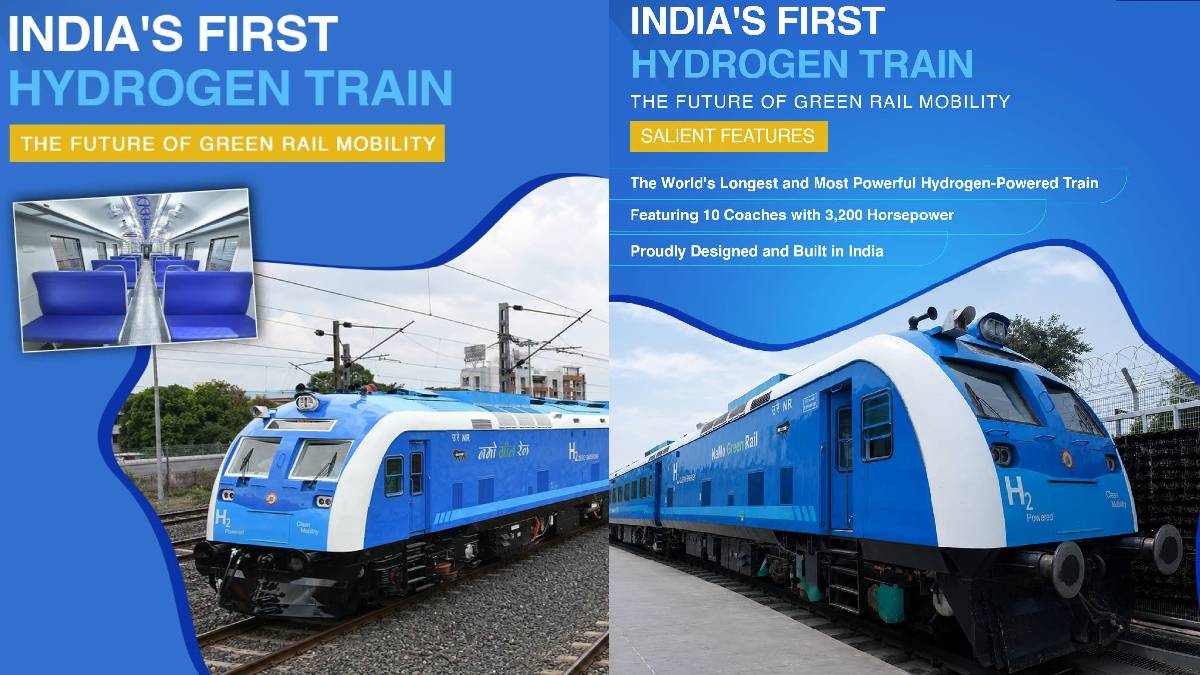
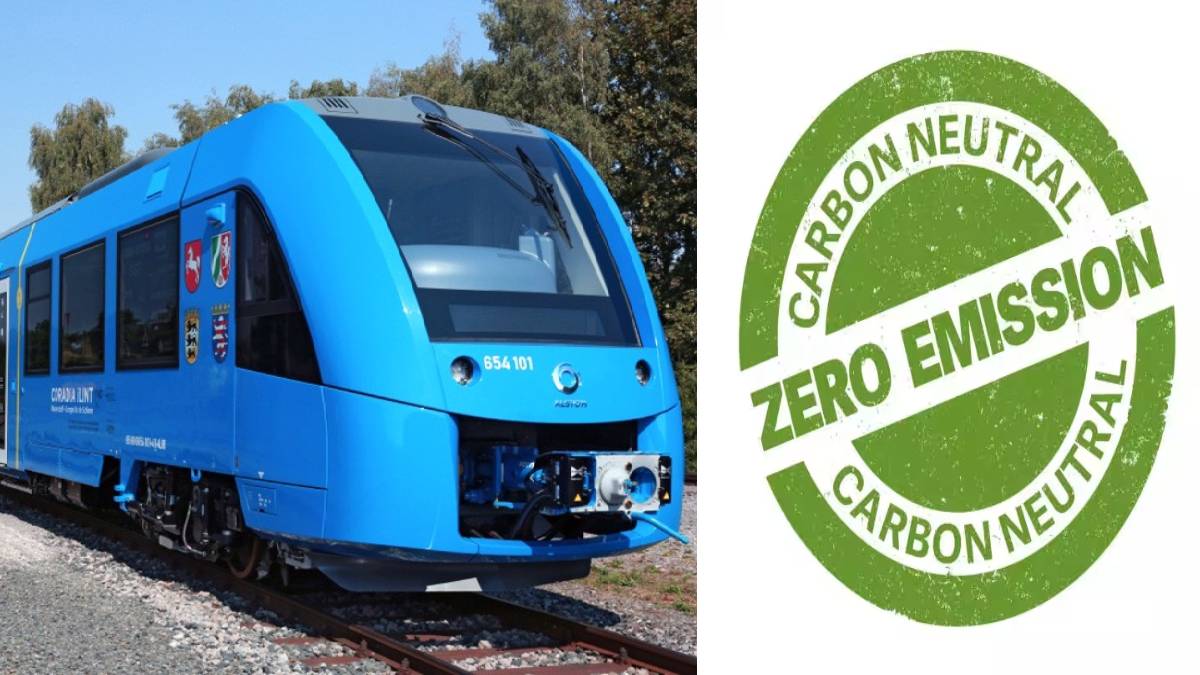
The first hydrogen-powered train in India has completed its first major event and has traveled 1,200 km to make a real contribution to developing clean and sustainable railway technology in India.
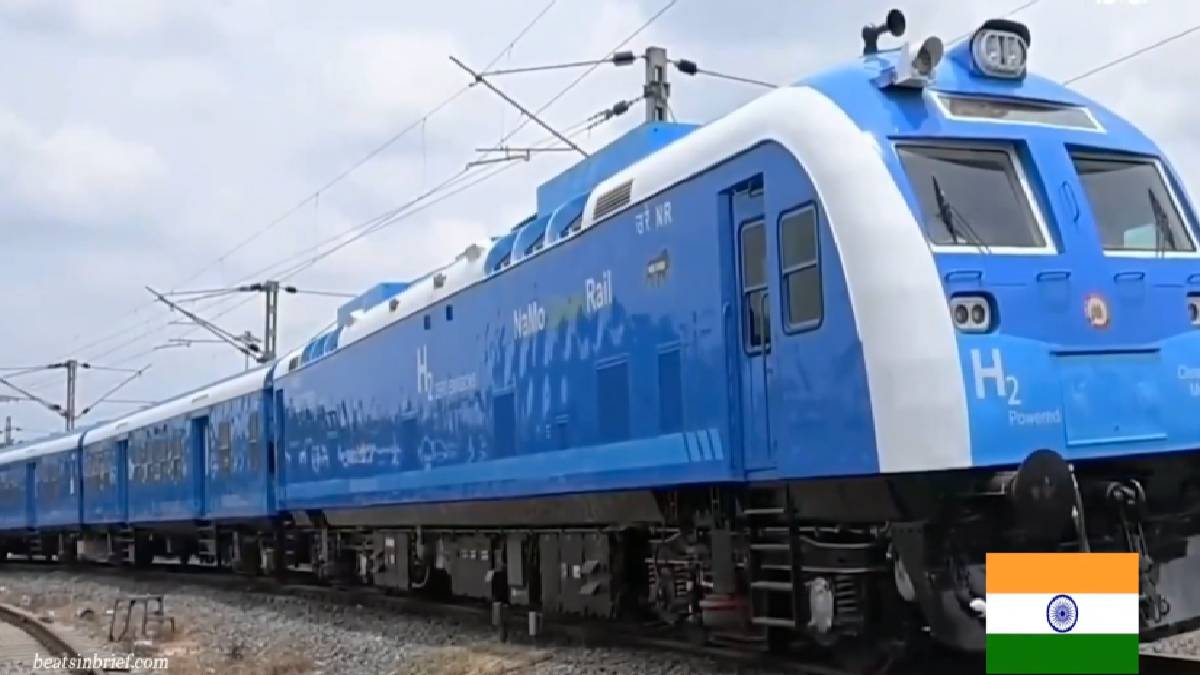
According to the figures, the hydrogen-powered train completed the distance and reduced diesel consumption by more than 3,200 litres. The train is hydrogen fuel-cell based and produces water vapour, which could be a good alternative to diesel-powered trains.
🚨 BIG: 🇮🇳 India's first hydrogen-powered train has completed 1,200 km, cutting diesel use by over 3,200 litres and producing only water vapour as emissions. pic.twitter.com/rivHri52Iu
— Beats in Brief 🗞️ (@beatsinbrief) July 30, 2026
The result has brought international media attention to Indian Railways' move away from reliance on fossil fuels and to develop new technologies that will reduce the environmental impact of rail transport.
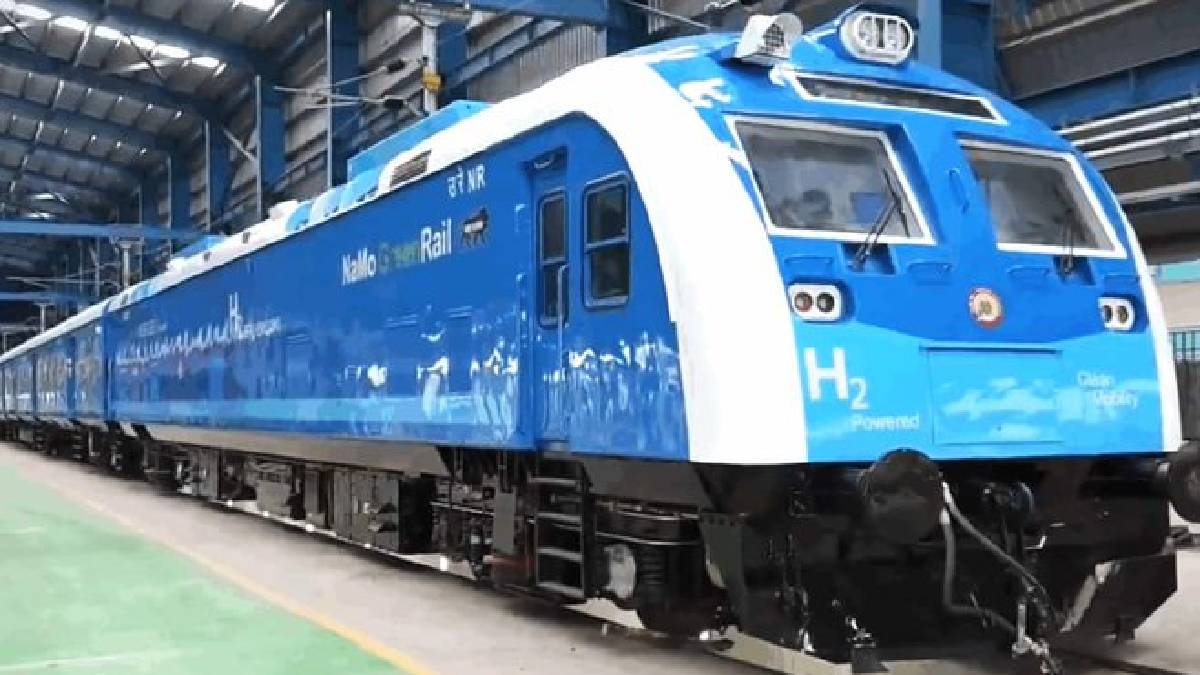
Hydrogen-powered trains use fuel cells to convert hydrogen into electricity. The electricity produced by the fuel cells powers the train's traction system, and the main by-product of the chemical process is water.
Unlike diesel locomotives, hydrogen fuel-cell trains do not produce exhaust emissions such as carbon dioxide in operation. The environmental benefit of hydrogen depends on how hydrogen is produced and the energy source used.
The 1,200-kilometre route completion shows the potential of hydrogen technology in railway use, especially on routes where electrification may be difficult or economically unfeasible.
The reported reduction of more than 3,200 litres of diesel also indicates the fuel-saving benefits of alternative propulsion systems.
India has one of the world’s largest railway networks, and even small improvements in fuel efficiency can have a big impact when applied over a large number of routes.
The hydrogen-powered train is part of the larger drive to make railway operations more energy efficient and environmentally sustainable.
Indian Railways has also been expanding electrification in recent years across its network. But hydrogen technology could be an alternative to diesel-powered trains for routes that still rely on diesel-powered trains.
The use of hydrogen can also reduce local air pollution and reduce the railway sector’s dependency on diesel. And it will help India to achieve its larger goals of clean energy, sustainable transportation and the rise of a domestic hydrogen economy.
The train’s successful run has attracted interest since hydrogen-powered rail systems are still at an early stage of adoption in many countries.
Several countries have tested or introduced hydrogen trains on regional routes. These trains are generally suitable for non-electrified lines where installing overhead electric infrastructure is costly or difficult.
India’s hydrogen train initiative will support the development of domestic proficiency in fuel-cell technology, hydrogen storage, railway engineering, and clean energy infrastructure.
This will also be an opportunity for Indian companies in manufacturing, energy production, and transport technology.
The achievement is significant because it gives operational information on the performance of hydrogen propulsion under Indian conditions.
In longer-distance testing, we can measure fuel efficiency, reliability, power output, and maintenance requirements. It could also tell us how hydrogen systems work in different weather and on different routes in the train network.
The reduction in diesel use is especially significant because in areas that have not been electrified, railway transport has historically been based on fossil fuels.
Replacing diesel with hydrogen could reduce fuel costs over time, but the initial investment required for hydrogen production, storage and refuelling infrastructure may be substantial.
Hence, the long-term success of hydrogen-powered railways will depend on the availability of affordable, low-carbon hydrogen.
Hydrogen can be produced in several ways. When electricity from renewable sources is used to split water into hydrogen and oxygen, the resulting fuel is commonly referred to as green hydrogen.
Green hydrogen would enhance the environmental benefits of hydrogen-powered trains by reducing emissions from the fuel-production process.
We think that a 1,200 km trip is a big step towards cleaner mobility.
The train's water-vapour emissions have also been said to be an environmental benefit compared to diesel engines.
With India’s clean-energy infrastructure growing, hydrogen technology could be part of India’s future transportation strategy.
The project can also help Indian Railways to determine whether hydrogen-powered trains can be deployed on a larger scale in the future.
More trials and operational assessments will bring the cost, reliability, and suitability of the technology for different routes into greater clarity.
On the other hand, the completion of 1,200 kilometres would be a great achievement for India's railway sector.
The hydrogen-powered train has demonstrated the potential of alternative energy to support cleaner and more sustainable rail transport, with more than 3,200 litres of diesel saved and water vapour as the primary emission.
As an example of the growth of India’s leadership in innovation, energy efficiency and sustainable infrastructure as it enters a greener future in public transportation, the achievement is a testament to that.