The humble onion has been an important part of India's economy and politics. More than a kitchen staple, onion prices have affected household budgets and public protests, influenced government policies and even become a major issue in elections. When onion prices rise, consumers feel the effects and governments have to act with export restrictions, stock restrictions, import restrictions or subsidies.
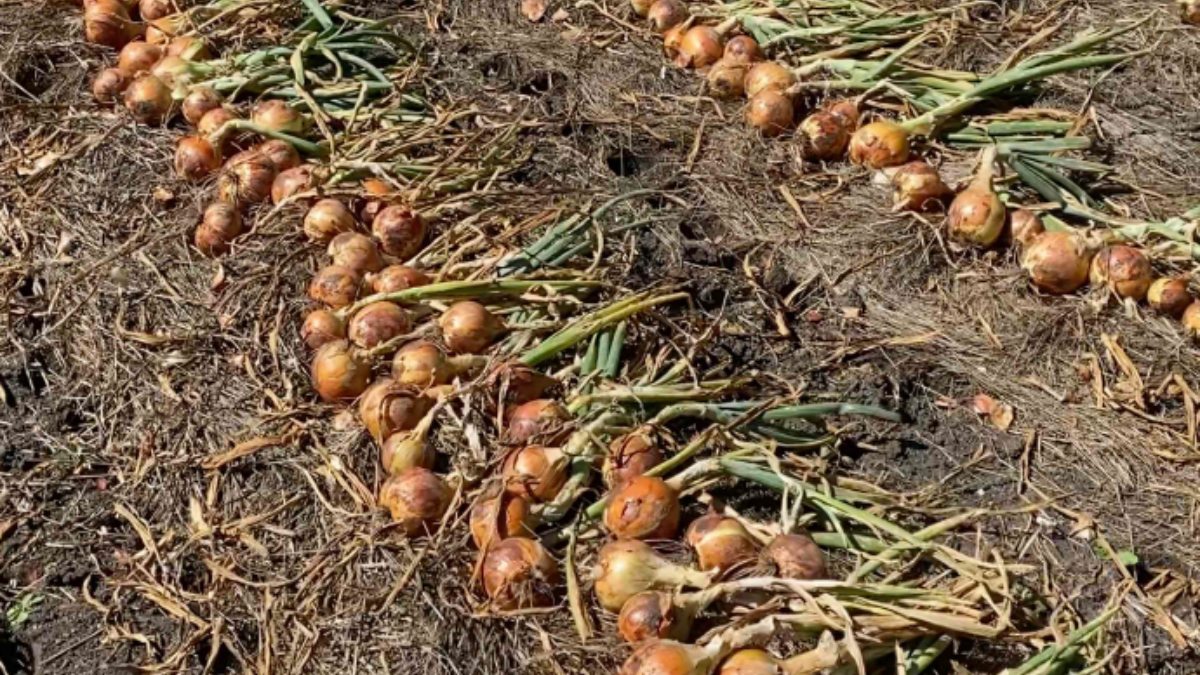
And while policymakers have tried to control the onion market (or at least manage the price of onions) over the years, this is now an increasingly challenging issue - climate change. Unlike market swings or supply chain disruptions, the weather is changing rapidly and this means that onion production and millions of farmers all over the country are in grave danger.
India is one of the largest onion producers and consumers in the world
Thewith states like Maharashtra, Karnataka, Madhya Pradesh, Gujarat and Rajasthan all heavily involved. Onion farming is very dependent on the weather for plant breeding, growing and storage and even the slightest change in rainfall or temperature can have a huge impact on crop quality and yield.
Farmers have faced more and more weather disasters for some time now; delayed monsoons, excessive rainfall, prolonged dry spells, heatwaves and unseasonal storms and these types of weather conditions have left standing crops to be destroyed, delayed harvesting, reduced storage and disrupted the supply of onions to markets.
Climate change has increased such challenges in that weather events are more frequent and severe. Heavy rains during harvest will cause onions to rot before they reach storage facilities and high temperatures, in general, can make bulb formation and productivity less good. Flooding kills fields and drought also cuts access to water for irrigation. Even after harvest, high humidity and changing temperatures lead to losses from onions that farmers have to sell or keep in hand for the remainder of the year.
When production falls or supply is erratic, wholesale and retail prices are often very high and the household budget is under strain as well, and that leads to food inflation.
The consequences are much worse for farmers than consumers. Farmers take huge financial risks when crops fail due to bad weather. Seeds, fertilizers, irrigation, labor, transportation, and the like are also up for investment too and are often lost in the event of crop losses due to weather-related disasters.
Small and marginal farmers are at risk most often because they often don’t have access to crop insurance, modern storage facilities, advanced irrigation systems or climate-resistant farming technologies. If the crops aren’t able to grow and farming families fail in the face of bad weather and lack of financial support, they will go bankrupt and their lives are up against strain for a while.
To adapt agriculture to climate change is going to take longer rather than policy.
Better weather forecasting, drip irrigation, climate-resistant onion varieties, better storage infrastructure and scientific farming practices can reduce the risk. Further development of agricultural research, expanding farmer education and affordable crop insurance is also seen as essential in order to protect livelihoods. Governments, research organizations and private industry need to work together to enable farmers to receive timely information and resources as climate change is changing and be ready.
Consumers, too, are involved in this as more and more people realize that rising food prices are more and more associated with climate-related disruptions than temporary market shortages. Climate change is not a short-term market event; in the long run the production of food will be linked to sustainable farming practices and efficient supply chains and policies that balance the welfare of farmers with consumer price and sustainability of food security.
India’s onion has long tested governments’ ability to shape markets and public opinion, but climate change is a much more complex problem than price management. An economy that is already one of the most important food crops in the country is now at risk if it is not able to withstand an ever-more unpredictable weather situation. How onion farming and for India’s food security in general—will be affected by how it can adapt to a changing world while also supporting the millions of farmers at the heart of its agricultural economy.