A Bihar government initiative to pay creators to create videos in which they post about government schemes has raised a lot of discussion on social media, especially about how public money is being used for digital outreach.
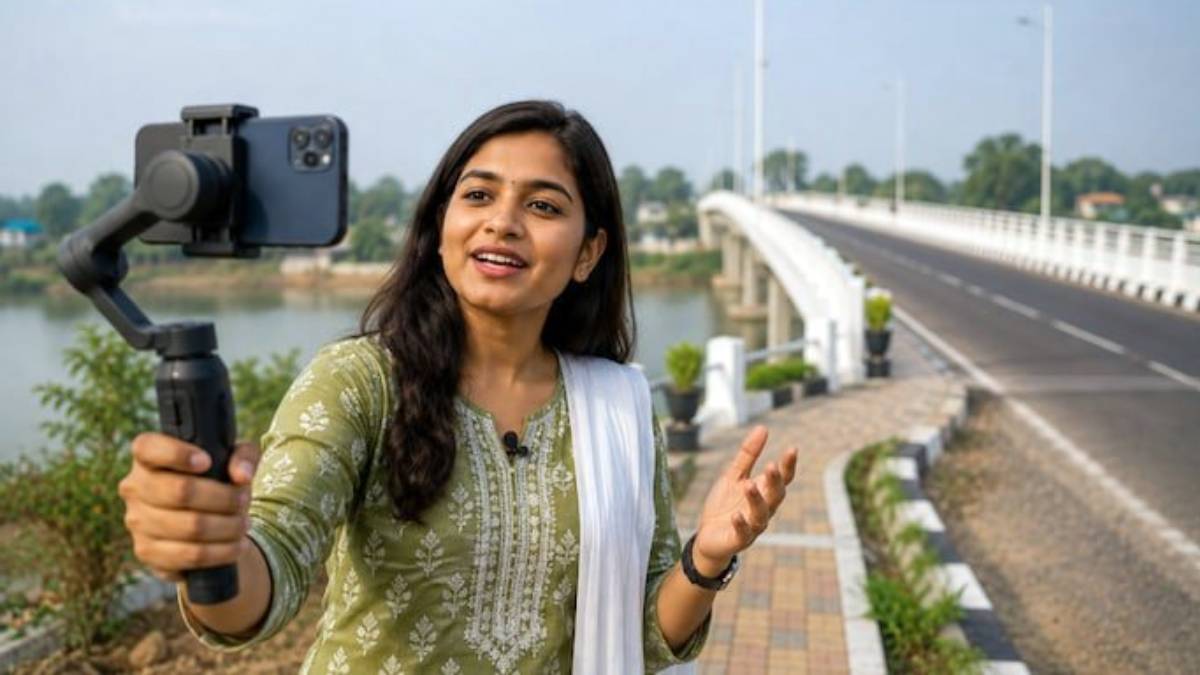
Under the proposed scheme, creators who make videos on Bihar government schemes could receive ₹10,000 for each 1 lakh views on their videos that they get after the videos are viewed. The scheme also has a maximum payout of ₹1 lakh per video, and views are evaluated after 30 days of performance.
The initiative seems to have been initiated to invite social media writers and digital content producers to inform the public about government projects and share information with a wider audience. YouTube, Instagram and other video-based social media platforms are becoming more and more relevant to how people consume information, and governments in India are looking into digital tools for reaching out to citizens.
Under the payment structure, a video that reaches 1 lakh eligible views can earn ₹10,000. A video reaching 5 lakh views can potentially qualify for ₹50,000, while a video reaching 10 lakh views could reach the stated maximum payout of ₹1 lakh, subject to the programme's rules and eligibility requirements.
The reported 30-day measurement period is also significant. Rather than judging video performance just after it’s posted, the programme would give content a month to accumulate views. This could lead creators to make videos that are relevant and remain popular over the long term.
>Make videos on Bihar Govt schemes.
— Gems (@gemsofbabus_) August 20, 2026
>Get ₹10,000 for every 1 lakh views.
>Max payout: ₹1 lakh per video.
>Views will be counted after 30 days of performance.
Every day, they seem to invent a new way to spend taxpayers’ money. 🤡 pic.twitter.com/8XWIT8qHGt
Supporters of such an approach could say digital creators provide a direct channel for communicating information about government welfare programmes, subsidies, schemes and public services. Many citizens, particularly younger ones, are now turning to social media for information, making digital outreach potentially more effective than traditional advertising in reaching some groups.
But the reported payments have also come under fire, particularly from those who ask whether taxpayer money should be used to reward content based on view counts.
Critics point out that paying creators according to views could encourage sensationalised or misleading content just to get more engagement. View-based incentives can often prioritise popularity over accuracy, so clearly set guidelines, verification mechanisms and transparency are key aspects of any such programme.
There are also questions about how views will be verified, which platforms will qualify, what type of content will be eligible and if creators will be required to disclose that their videos are part of a government-funded promotional campaign.
When there are public funds involved, transparency is of crucial importance. People might wish to know the total budget for the initiative, the number of creators who are to participate, and the criteria used to approve videos and release payments.
The initiative is also reminiscent of the evolving nature of government communication. Social media campaigns are increasingly replacing traditional advertisements in newspapers, television, and radio. Influencers and independent creators could attract a more targeted audience but at a much lower cost, as well as less reliable content for the organization.
The criticism that governments are “inventing new ways to spend taxpayers' money” is one side of the argument, but the bigger issue is whether such expenditure is really delivering meaningful public value. If the videos really do help people understand and access government schemes, the expenditure can be seen as a communication investment. If the primary objective is to get viral content and not to verify the accuracy or usefulness of the content, public spending concerns are more significant.
The Bihar initiative is therefore at the crossroads of government communication, social media influence and public spending. How successful it will eventually be is to provide reliable information to citizens while being transparent in eligibility and payments to them.
As digital platforms become a more important means of information transmission, more governments will experiment with creator-led outreach. Thus, Bihar could become a case study in how public authorities leverage social media incentives to engage with the public—and whether view-based payments are a good use of taxpayer dollars.