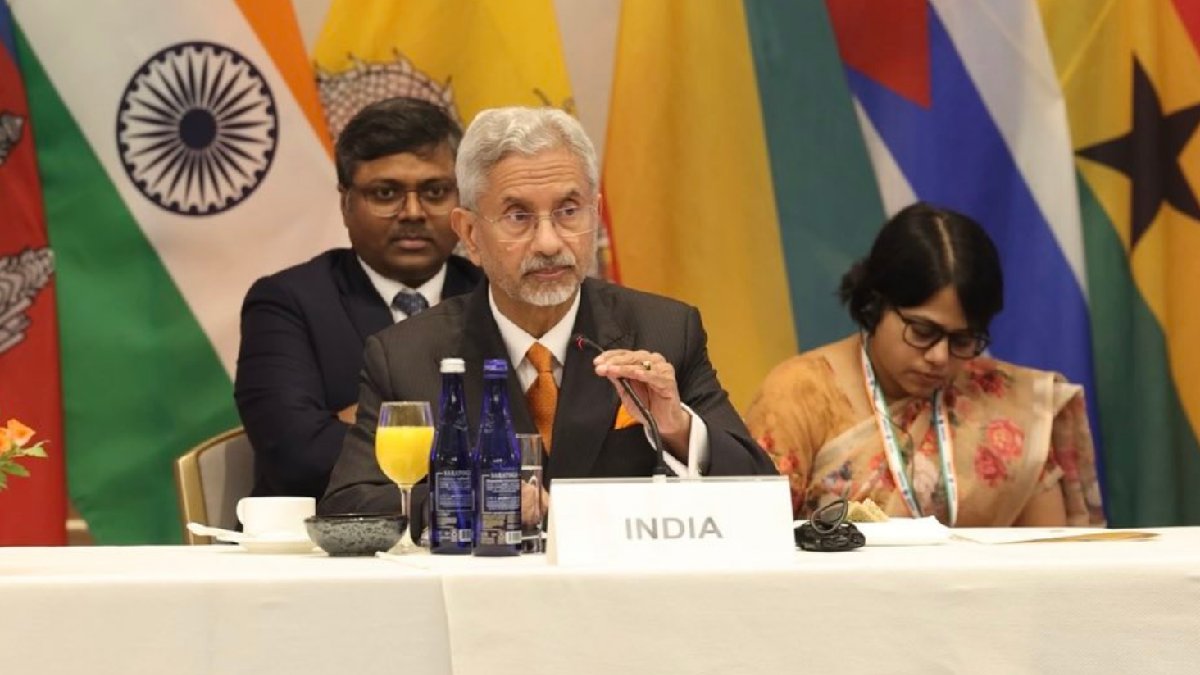
External Affairs Minister S. Jaishankar warned the world faces a “major food crisis” in the coming months in terms of crop shipments, fertiliser shortages, energy shortages as well as the economic impact of ongoing conflicts.
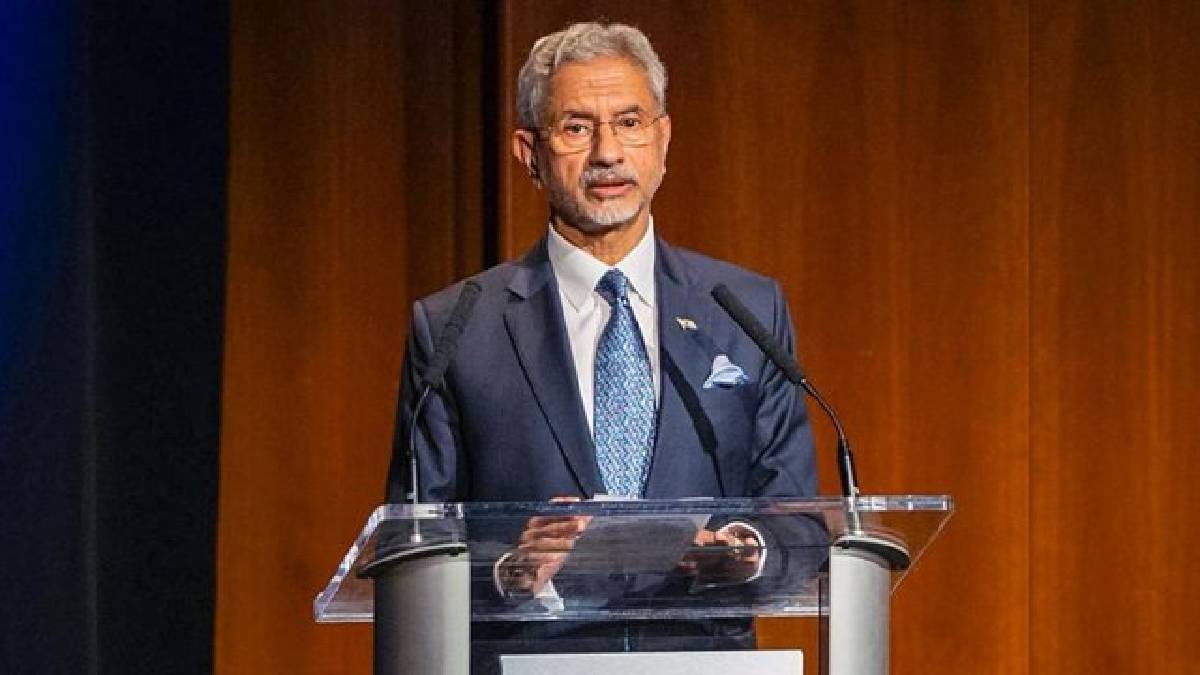
At a talk at the Asia Society in New York on September 28, 2026, Jaishankar said the conflict in Ukraine and Iran-Gulf as well as other countries are having a significant effect on economies in the Global South. The combined pressure from food, fuel, fertiliser and finance is very, very stressful for developing countries, he said.
Jaishankar also touched on global food supplies. He brought up concerns for the food supply of the world economy and global food supply were particularly prominent. Some of the big grain exporting countries could have difficulty in sending grain over the Black Sea, which is the line for grain shipments, and would be difficult for some major grain exporters, he said. The region has long been an important international grain transit route, and disruption in grain trade in this region would pose a challenge for countries in developing countries that depend on imported cereals.
The External Affairs Minister also said fertiliser shortages were growing. Most fertiliser producers exist in West Asia and Russia, he said, and a production disruption in these regions could lead to additional pressure on agricultural economies. Fertiliser availability and prices are closely tied to farm input costs and ultimately food production.
Jaishankar linked these concerns to the wider effects of the continuing conflicts. He said the Ukraine conflict and the Iran-Gulf conflict had created great pressure on the Global South economies, and energy markets were in hard times. Political decisions on oil supplies would further complicate energy markets and push up prices, he said.
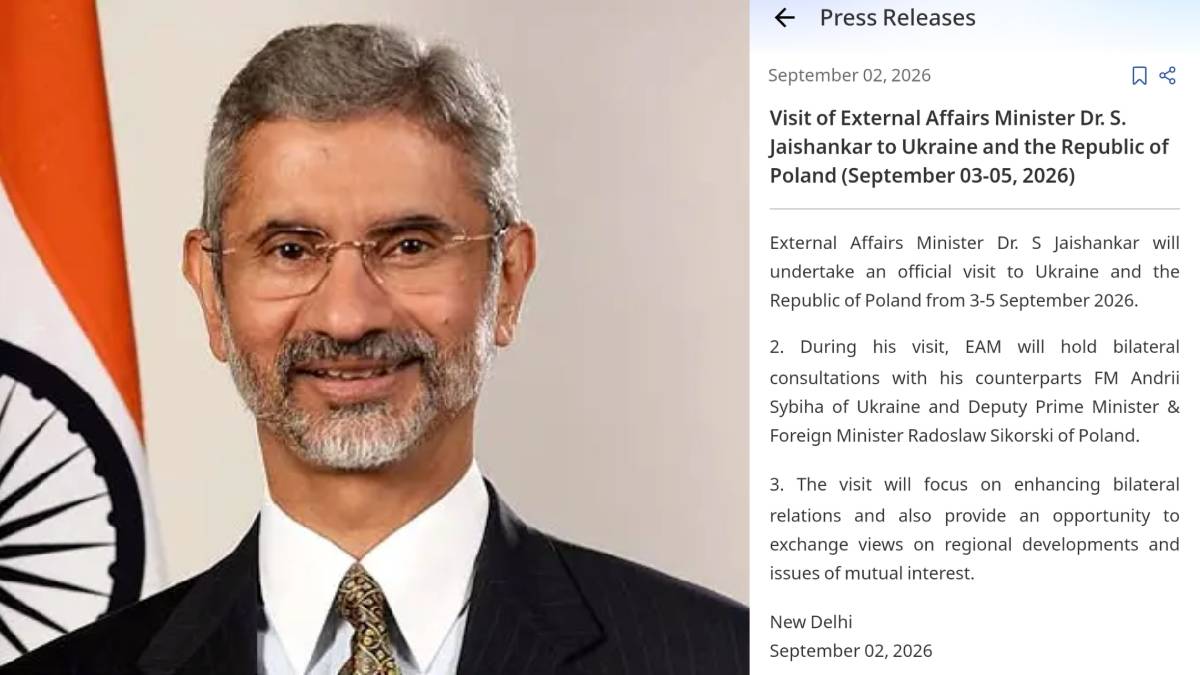
The minister described the situation as a “4F” crisis— food, fuel, fertiliser and finance. The four pressures can reinforce one another. Higher energy costs can raise transportation and agricultural costs, while fertiliser shortages can increase farming costs. At the same time, geopolitical uncertainty may affect capital flows and financing conditions for developing economies.
Finance is another important part of the problem. Jaishankar said conflicts tend to push capital towards perceived safe-haven markets and out of the Global South. Such movements can make financing more difficult for developing economies already facing higher costs for energy and essential commodities.
He also raised the possibility that climate conditions could compound the existing pressures. Jaishankar referred to a “super El Niño” and geopolitical disruptions as well as fertiliser shortages when warning of a major food crisis in the months ahead.
It is important to note that Jaishankar’s comment was a warning about a possible future crisis and not a declaration that a global food crisis has already taken place. The extent and geographical implications of future disruption would depend on developments in conflicts, shipping routes, energy markets, fertiliser production, weather and government responses.
But the warning also illustrates how closely connected food and energy security are. Modern agricultural systems depend on fertilisers, fuel, transportation and international trade. A disruption in one part of the system can thus create additional pressure elsewhere.
Jaishankar also urged countries to take into account the longer-term consequences of their own policy decisions. “Governments should not just be concerned with their own immediate interests when energy, food or trade decisions are at stake, as these could cause problems for other countries,” Jaishankar said.
For developing countries, the combination of expensive energy, limited fertiliser supplies, disrupted grain trade and tighter financial conditions could create difficult economic choices. Governments may have to balance food affordability, farmer support, import costs, fiscal pressures and energy security.
Hence, the comments come at a time of rising geopolitical tension and renewed doubts about the resilience of global supply chains. And while the true extent of the threat is unknown, Jaishankar’s comments highlight how conflicts and climate-based pressures can interact with existing vulnerabilities in the food and energy markets.
The next few months will be closely watched for developments in grain shipments, fertiliser prices and weather conditions. If there is continued disruption in several of these areas, it could put food security in more danger, particularly in countries that depend on imports.