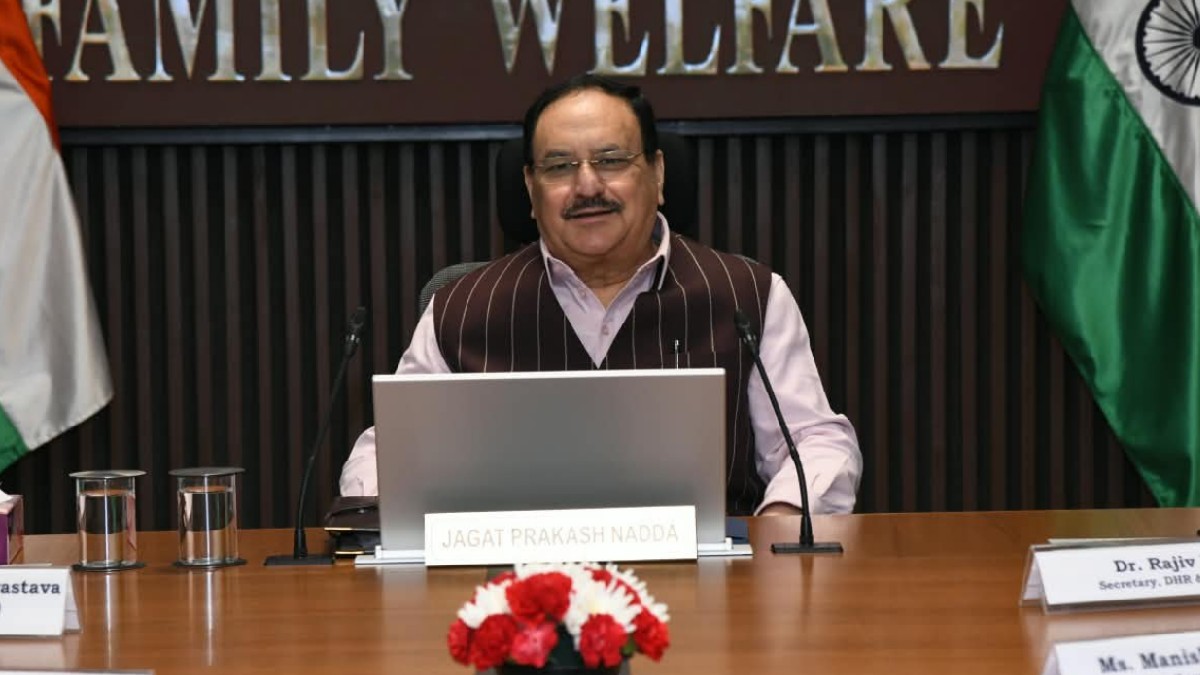
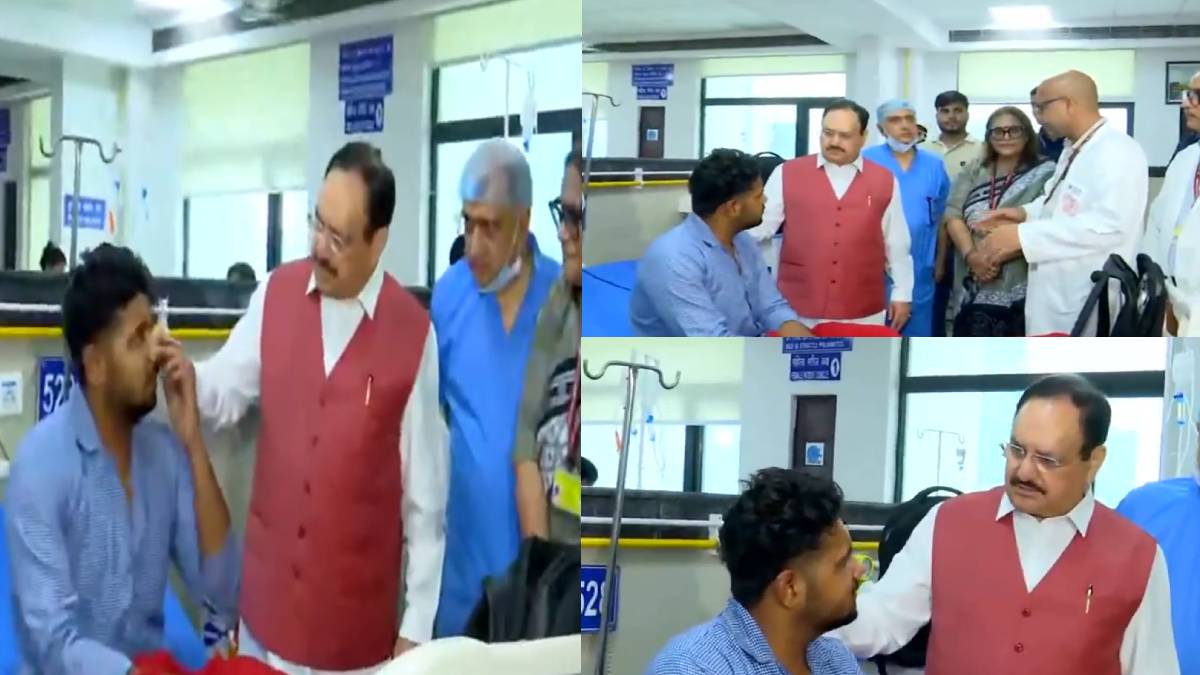
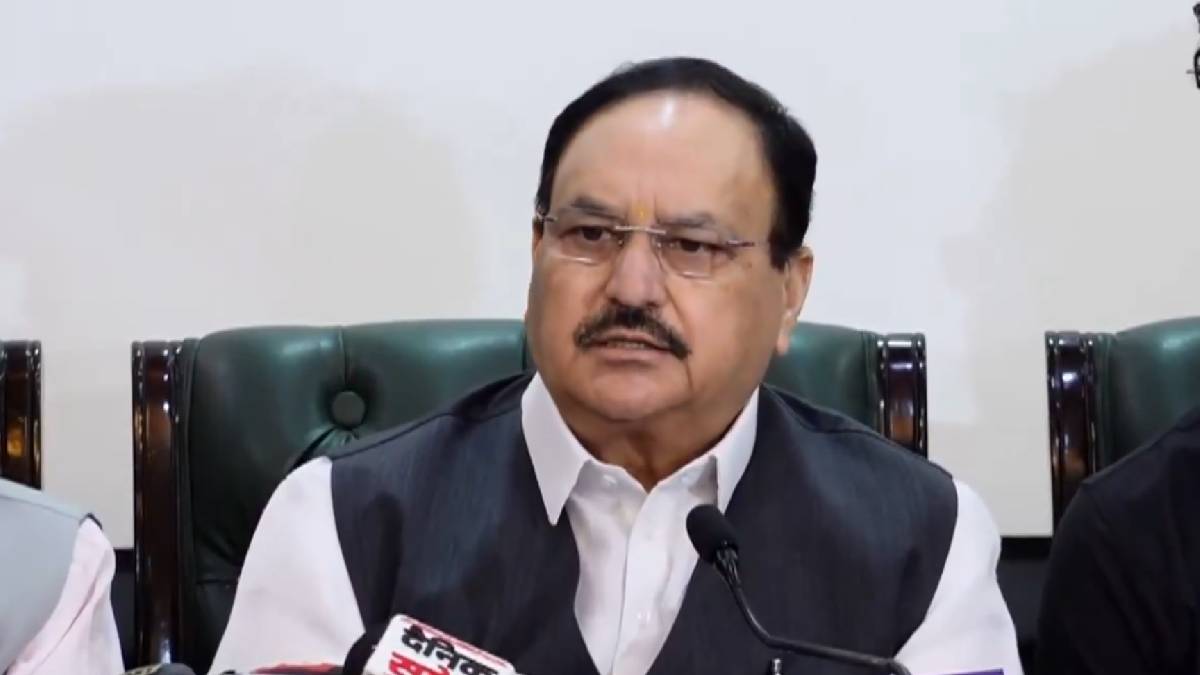
Union Health Minister JP Nadda reviewed the progress of the Rural Health Training Centre (RHTC) in Najafgarh, taking stock of ongoing development works and the steps being taken to strengthen the clinical, academic and training infrastructure.
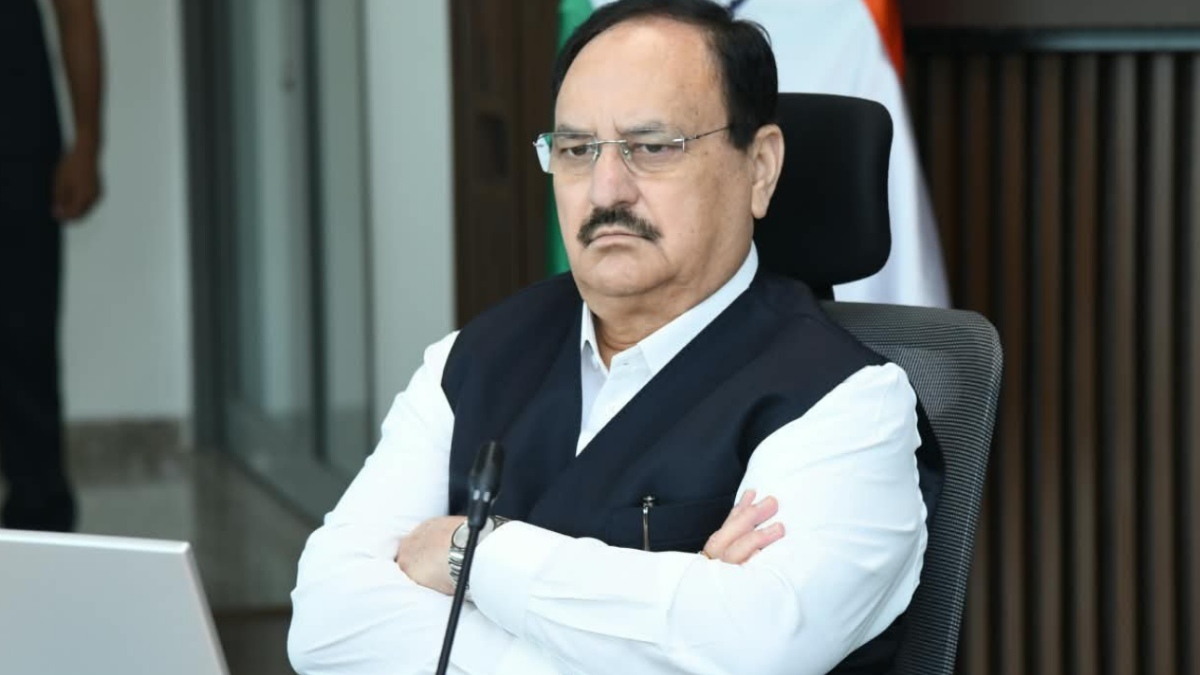
Minister Nadda also told officials that pending works must be completed on a clear timeline so that the facilities (healthcare and medical training) are upgraded quickly and cost-effectively.
The Rural Health Training Centre is a crucial component of healthcare and medical education infrastructure as in community and rural healthcare centres, where medical students and healthcare professionals can get hands-on experience in rural areas. Facilities of this nature can bridge the gap between classroom learning and practical healthcare delivery in the community with trainees being able to see how the health needs of communities and the challenges in providing medical care outside major hospitals are.
Nadda was interested in the progress of the Najafgarh project which is already in session and as such development must not be delayed. His emphasis on a time-bound completion of healthcare infrastructure projects is consistent with the government's goal of making healthcare infrastructure in a timely manner. Construction, renovation and other related works can be completed in advance of the expected start-up date and services and training programmes are able to be delivered to students, medical professionals and the general population.
Building the centre's clinical infrastructure will also be part of the development. It is the clinical setting from which practical healthcare can be carried out and where everyone can understand the common health conditions and community medical needs. Better infrastructure will also help to create a more organised healthcare system through the delivery of care.

The academic aspect is equally important. Medical education today is about providing students with an appropriate learning environment, modern facilities and practical training opportunities. So improving the academic infrastructure at the Najafgarh centre will be beneficial in both teaching and learning and will make the clinical experience of trainees more meaningful.
Training infrastructure is also important in preparing healthcare professionals for a wide range of work scenarios. Rural and community healthcare environments are often more challenging than large urban hospitals. Exposure to these situations may also inform medical students and trainees on preventive care, primary care, community outreach and access to medical services.
The Rural Health Training Centre development is also in line with the bigger picture of strengthening the healthcare infrastructure in India and beyond the major metropolitan hospitals. India's healthcare system requires facilities at different levels from primary healthcare centres to specialised hospitals and medical institutions. Community-based training centres, in turn, can add to this ecosystem by integrating healthcare service delivery with clinical studies and practical medical education.
Najafgarh's location also makes the centre relevant to the surrounding population. Improvements to infrastructure may be able to support healthcare activities in the area and also provide the students with a practical training environment. The physical infrastructure of the centre is not the end of it and the quality of service will be the deciding factor.
Nadda's emphasis on completing ongoing work within a defined timeline reflects the necessity of monitoring projects once they are initiated. Infrastructure development, including the construction of infrastructure, equipment and administrative processes and operational configuration, can take place in many stages. Delays at any time can delay the benefits of the project and also shorten the actual progress.
The review also indicates the need for coordination among officials and the agencies that are responsible for healthcare infrastructure. Regular communication and monitoring can also help to identify bottlenecks and ensure that work goes on as per the approved plans. Senior authorities may also regularly see how we’re moving forward and what’s causing it to get late (or not).
Improved facilities in rural health training centres for medical students can allow for more hands-on practice on campus. Community-based training gives students the chance to understand healthcare from a population perspective as opposed to treating patients as individual patients in tertiary care. This exposure can also help them get to know how important prevention, early diagnosis, health awareness and continuity of care is.
The build-out of academic and training facilities is also relevant to India’s overall ambitions to increase and improve medical education. With the healthcare needs of the country changing, medical institutions need to have an infrastructure to enable modern teaching methods and practical learning. Learning alongside clinical experience and the faculty is good for the next generation of healthcare professionals.
At the community level, better healthcare infrastructure can improve access and awareness. Rural and semi-urban populations may face challenges regarding distance, quality of healthcare professionals and specialised services. While a training centre alone can’t solve every issue in healthcare, increasing local facilities are a part of a larger strategy to transform community health care.
The Najafgarh review is therefore important beyond the progress of a single infrastructure project. It speaks to the necessity to develop healthcare facilities which are used for the care of patients, medical education and professional training. Integrating these in a more effective way will help make the system to deliver healthcare and build new capacity in a more effective way.
As the work continues, the focus is now on the timelines set up during the review, and how to make the improvements that are planned to be made and how should they be made. The quality of construction, the availability of the necessary facilities and the readiness of the centre will determine the ultimate effect of the project.
Union Health Minister @JPNadda Reviews Progress of Rural Health Training Centre, Najafgarh.
— DD News (@DDNewslive) August 31, 2026
Directs time-bound completion of ongoing works and further strengthening of clinical, academic and training infrastructure.#JPNadda #RuralHealthcare #HealthInfrastructure pic.twitter.com/0bSz05WbYq
JP Nadda’s direction for time-bound completion reinforces the need for continued monitoring of the Rural Health Training Centre at Najafgarh. The development will focus on clinical, academic and training infrastructure which will help in promoting community-oriented medical education and healthcare infrastructure in the region.
The new review also brings home a larger message for healthcare infrastructure development: building facilities is only one part of the process, completing projects on time, equipping them properly and ensuring that they function effectively is a huge part. The Najafgarh Rural Health Training Centre development is therefore of crucial importance to those looking at the expansion of healthcare and medical training infrastructure in the capital.