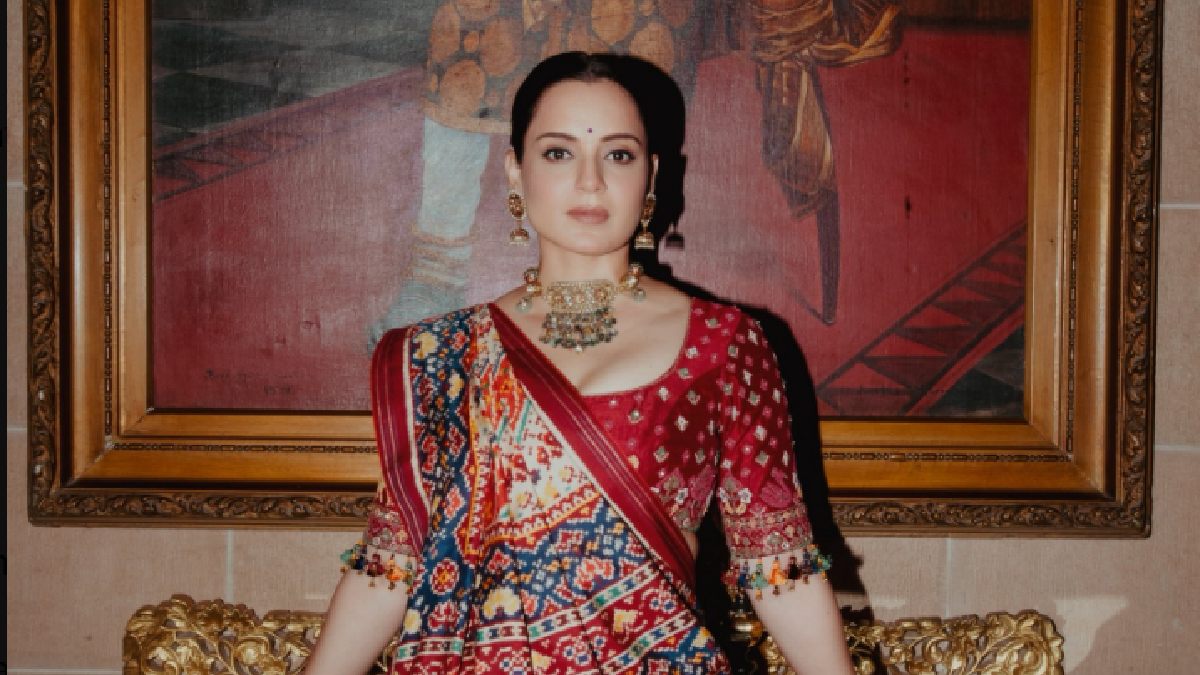
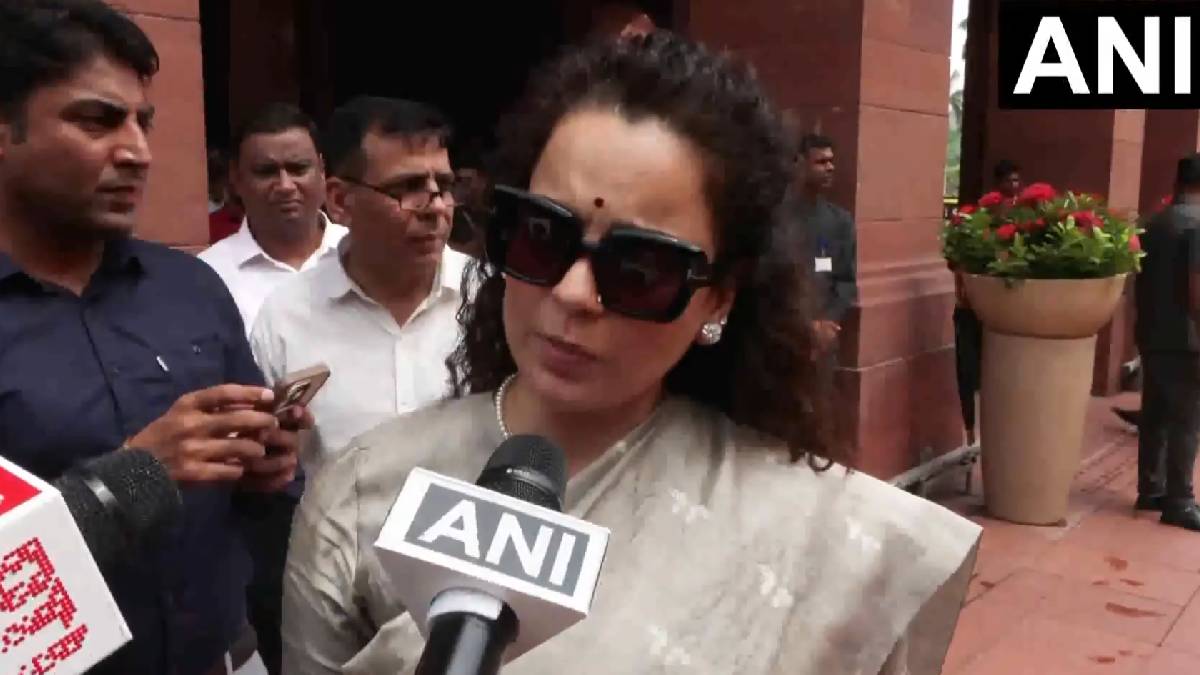
Kangana Ranaut once again sparked controversy in earlier comments because she was mildly aggressive towards the Leader of the Opposition, Rahul Gandhi. Another singer who has a loud record, Kangana, has also spoken out, saying that it is a "headache" for her to listen to him, and her words have become instantly popular, bringing forth new political debate.
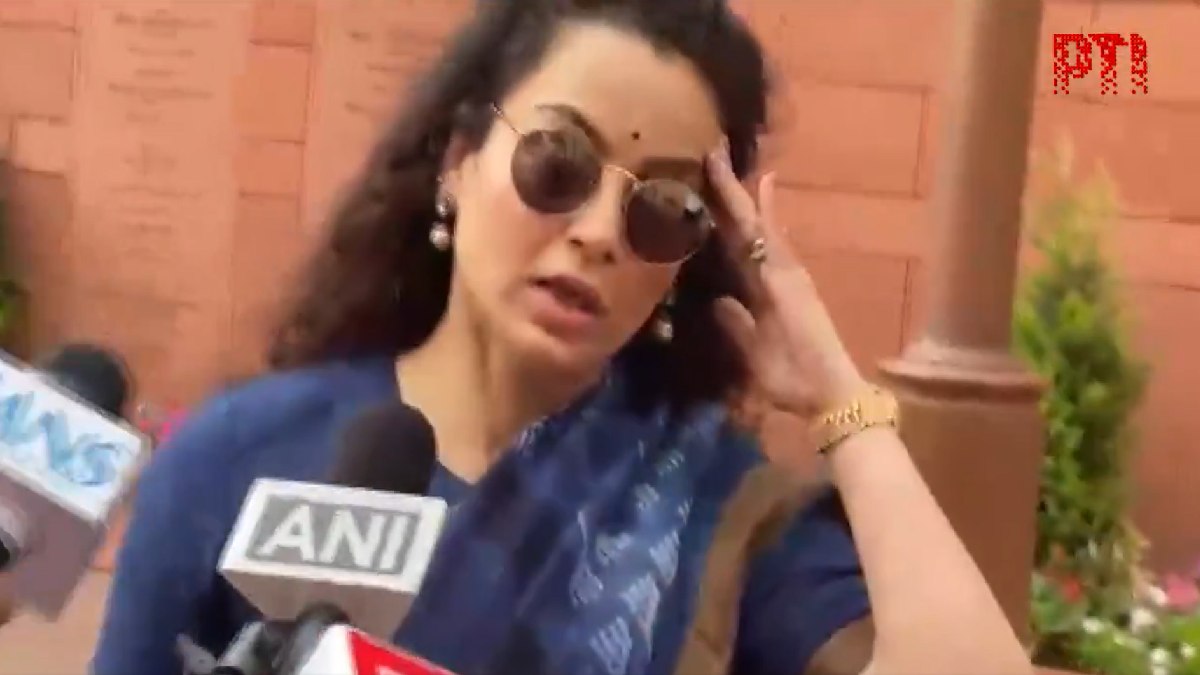
Against a backdrop of political conflict and high tensions between leaders from various political parties. Kangana Ranaut has turned to political statements, declaring her positions against politicians, with an eye to certain national issues and other vital issues. Her latest pronouncement follows publicly shaming Rahul Gandhi earlier in the same year.
In the same year, when she publicly confronted Gandhi, Kangana denounced his speech patterns and behaviour. She denounced him as incoherent and devoid of substance, and the charges they levelled were pointed. Her “headache” point appears to be symptomatic of her frustration that he seems unable to lead as well as articulate to the opposition.
His supporters, unlike Kangana, have decried Kangana’s point as the “deceit of personal attacks” rather than a politically salutary one. They say the comments contribute to polarisation as the conversation inside public life becomes more polarised. Previously taking up the task of leading an anti-government crusade, Rahul Gandhi is a man who has spent his long history attacking governance, economy and social justice.
His speaking-and-dealing style and public life were, on any given occasion, embraced or denounced based on party or political affiliation. Kangana's remarks in India are a reminder of how entertainment isn't just entertainment or politics, but becomes something of a dirty word again.
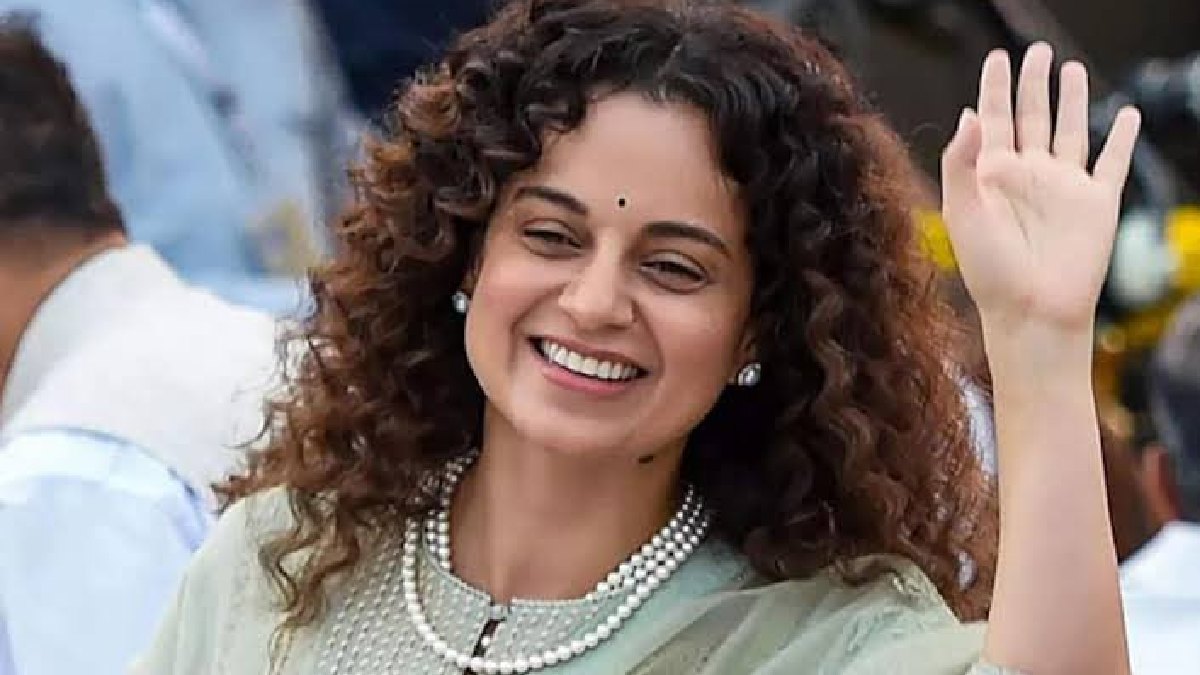
As a public figure of vast notoriety to the tune of millions, whatever she says helps galvanise the kind of attention that can shape what is a debate in the public domain. Politicians are quick to point out that engaging celebrities in political discourse can magnify narratives; at the same time, they warn that they risk reducing complex problems to a single, broad-brush narrative.
But critics say language like that risks distracting from what can be a serious discussion of policy, while Kangana’s supporters cast her as the sort of person who knows her mind without fear. The social media reaction to the controversy has been widely documented. Hashtags linking both Kangana Ranaut and Rahul Gandhi emerged shortly after the announcement of her speech.
The incident captures greater splits in public attitudes and people’s positions. In an environment fiercer and fiercer, the comments that people like this put forth are only adding fuel to the fire. They spur people’s discussions and build stories. As incendiary as it may be, Kangana Ranaut’s latest comment has once again thrust her into the centre stage in the nation’s public landscape.
For both figures wield tremendous power over their spheres, these conversations encapsulate the mutable paradigm of political rhetoric in India, where the voices of those not included within the official political mainstream are beginning to take precedence in the debate.