Kangana Ranaut is talking about gender inequality again and she is talking about the patriarchal mindset in Himachal Pradesh. Her words have raised a question of social expectations on women, especially the need to have a son.
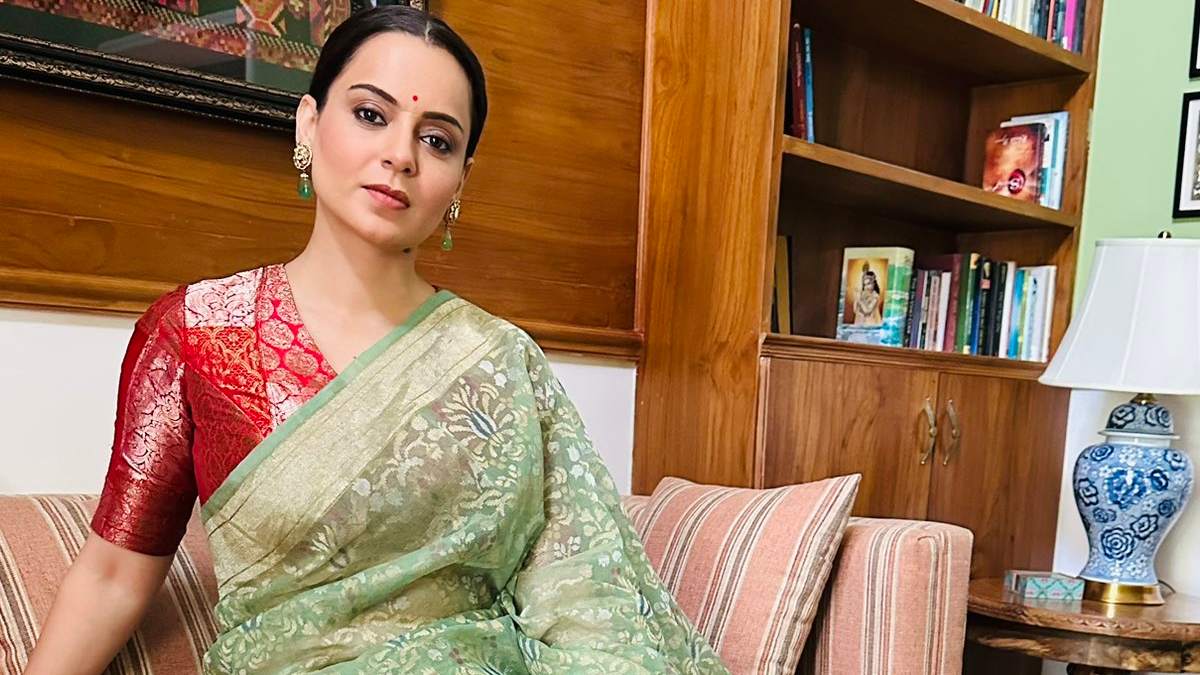
The actor turned politician was talking about son preference and how women are judged by the gender of their children in families. Her statement has brought back into focus a problem that is still being discussed across Indian society.
Kangana Questions Pressure on Women
Kangana’s comments were about the belief that having a male child is more important than having a daughter. She questioned the social attitudes which make women feel responsible for producing a son, even after having several daughters.
The issue gained attention after reports about a Himachali woman who had 10 daughters before having a son. And social media discussion about the pressure women may feel when families are so big on male children.
Kangana criticised the mindset that links a woman's value to childbirth, especially when the expectation is specifically to have a boy. Her remarks were critical of the idea that women should be forced to undergo repeated social and family pressure simply because they have daughters.
Himachal’s Patriarchal Mindset Under Debate
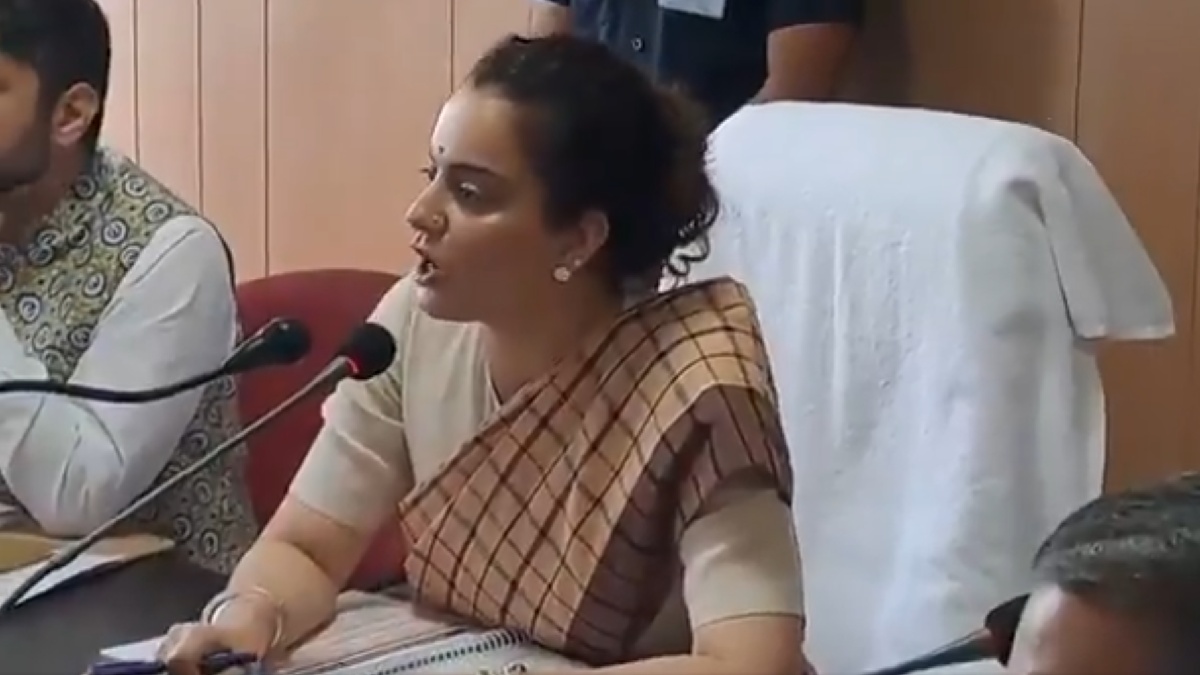
Kangana had described a patriarchal mindset in Himachal Pradesh as “worse than other states.” The comparison has led to debate as to whether traditional gender expectations and gender roles have not been defeated despite the increase in social and economic development.
Himachal Pradesh is often viewed as a state with relatively good social indicators, but Kangana’s comments suggest that progress at the larger societal level does not necessarily eradicate traditional attitudes inside homes.
Sons in India are traditionally associated with carrying on the family name, supporting parents, and carrying forth certain family duties or responsibilities. The beliefs can be different from daughters at times.
The Larger Issue of Gender Discrimination
Kangana’s comments have also revived a broader conversation on gender equality. The preference for sons can put pressure on women and reinforce stereotypes about the roles of men and women in families.
Although India has made progress in women's education, employment, and representation in public life, traditional attitudes still affect family choices in some communities. Changing these attitudes requires more than policy change social thinking is required.
The debate about Kangana's statement is not limited to Himachal Pradesh. It is about the value girls and sons have and whether women should continue to be expected to uphold those expectations in light of their gender.
Kangana’s comments on Himachal’s patriarchal society have drawn attention and debate, and she’s brought this social issue back into the limelight.
This is the point of the conversation: women being respected as individuals and children being valued equally, boys or girls.