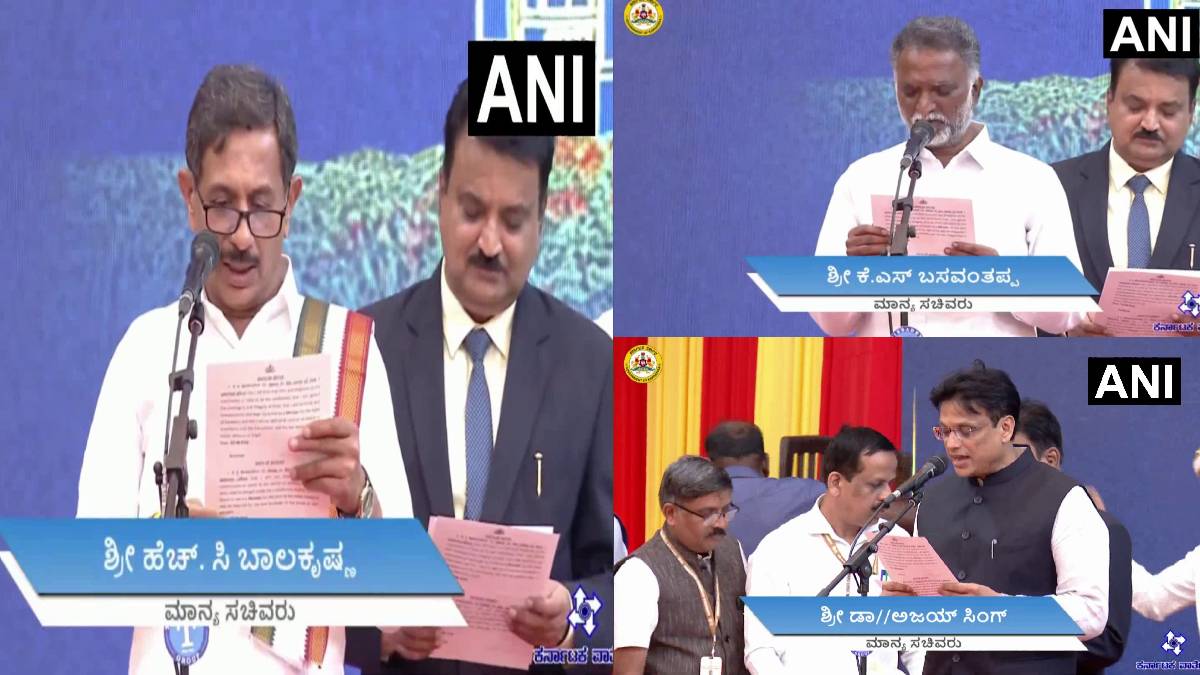
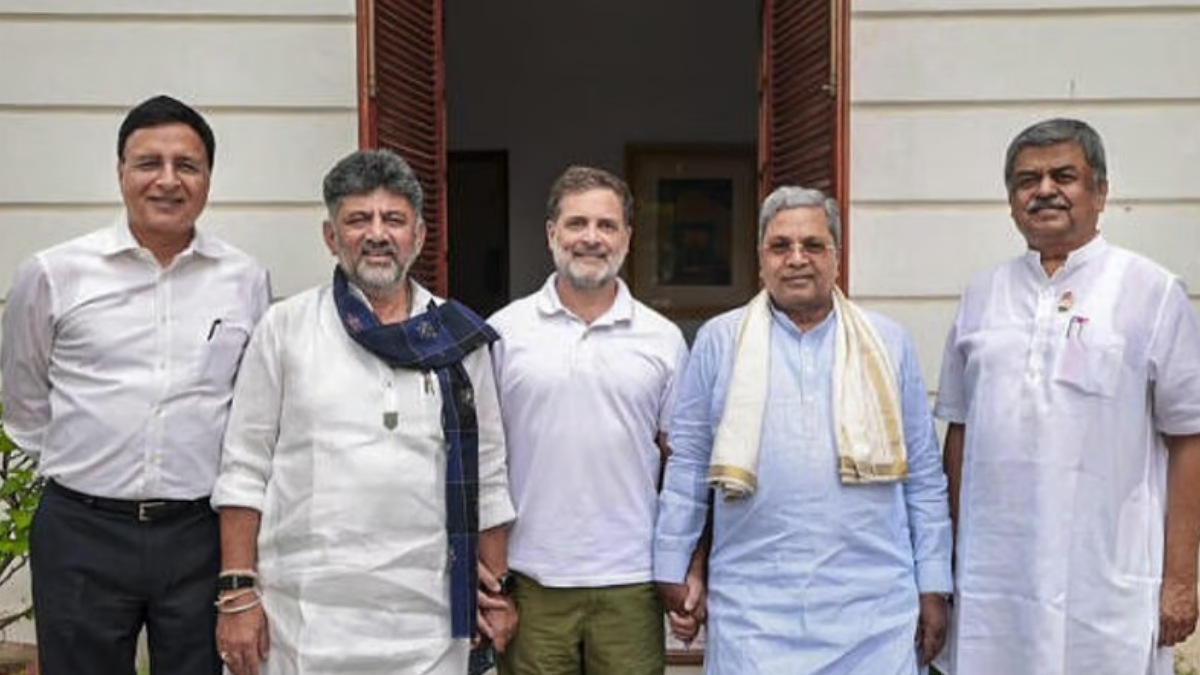
In a major political development, the final 20 ministers are expected to take the oath of office today at Lok Bhavan, as Karnataka Chief Minister D.K. Shivakumar will conclude the expansion of his Council of Ministers today at the oath-taking ceremony.
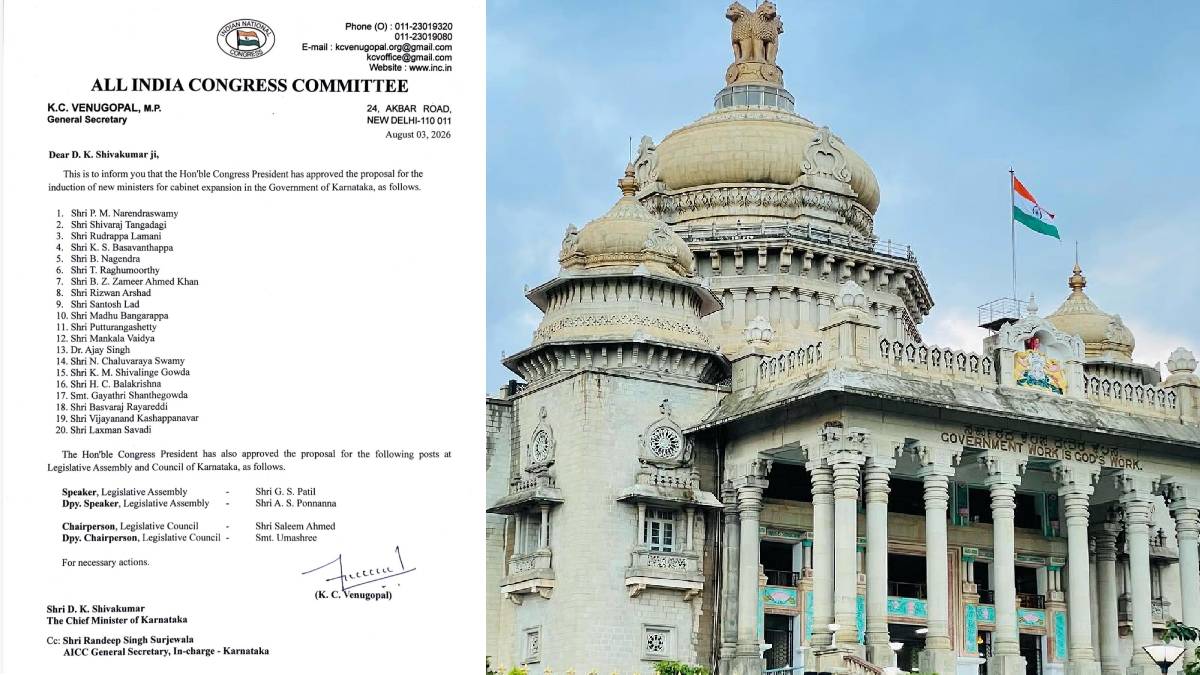
The swearing-in ceremony will fill the remaining vacancies in the Karnataka Cabinet and bring the ministry closer to its full constitutional strength. Cabinet expansion has been in discussions for several weeks, and Congress leadership has held several rounds of consultations and finalized the names of legislators being inducted into the government.
Chief Minister D.K. Shivakumar took the oath as Karnataka’s Chief Minister in June along with a group of ministers. In the first phase, there were around 20 ministerial positions left vacant in the 34-member Council of Ministers that the Constitution envisages for the state.
The induction of the remaining ministers is therefore seen as a big step in completing the government’s administrative and political structure.
Cabinet expansion has been delayed because of discussions over regional representation, caste and community balance, seniority, political experience, and new faces. Several Congress legislators have been looking for ministerial positions too, and the selection process is a key test for the party leadership.
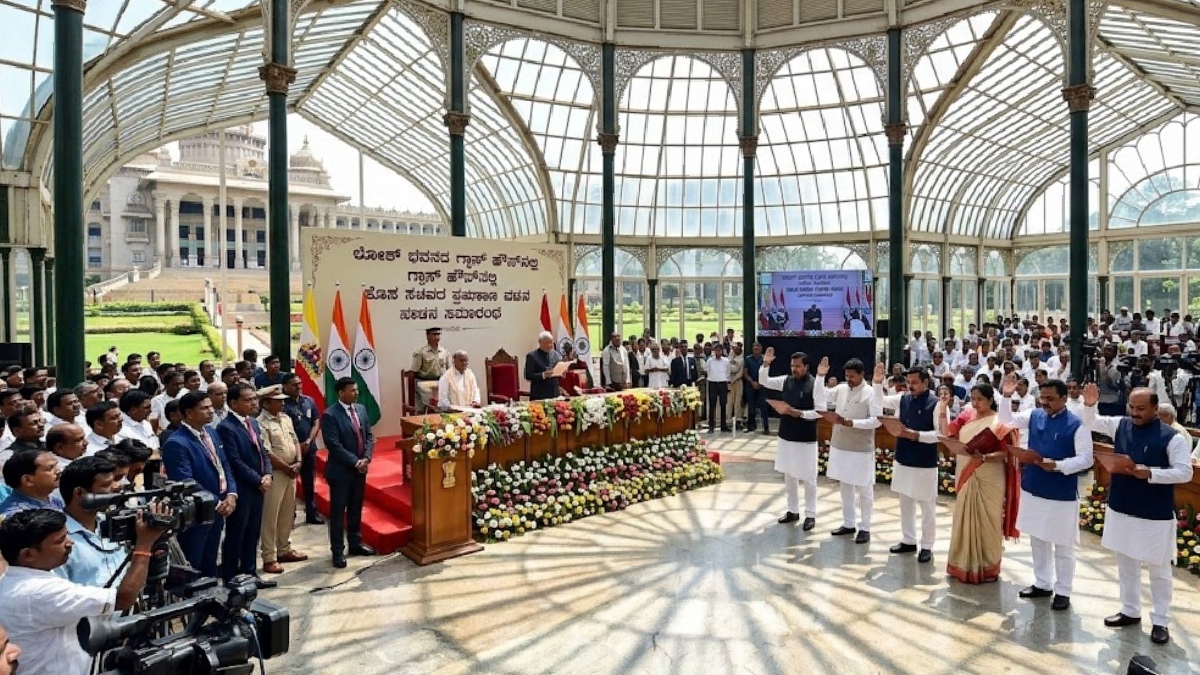
The Congress high command has been in discussions over the final list, and discussions were held with different regions and social groups to balance representation for senior leaders and new political figures as well.
The oath-taking ceremony in Lok Bhavan will have a lot of political significance as the names of the new ministers are officially announced. The final list of those leaders has to be announced before Cabinet ministers can be appointed, and the others are left out of the new ministry.
The expansion will also influence the distribution of government departments. After the oath ceremony, the Chief Minister may recommend the allocation of portfolios among the newly inducted ministers.
The assignment of important departments will be closely watched because it will indicate the responsibilities and political importance given to individual members of the Cabinet.
The completion of the Cabinet is expected to strengthen the government’s ability to manage key departments and implement its policy agenda. Because of the vacant ministerial positions in government, some already existing ministers have been doing extra work. New ministers may help distribute administrative work more evenly.
The expansion is politically important as Karnataka gears up for upcoming legislative business. Governance priorities, development programmes, welfare schemes, and issues affecting different regions of the state are expected to be the focus of the government.
Cabinet expansion might also help Congress leadership to address internal expectations of party legislators. Many say that ministerial positions are needed for political balance and for different groups to be represented in the ruling party.
In this case, the selection process might also lead to disappointment among leaders who were expecting Cabinet positions but are not included in the final list. So Chief Minister and Congress leadership may need to manage the expectations of unsuccessful aspirants and maintain unity in the party.
The swearing-in of the last 20 ministers would mark the completion of the second and major phase of the Karnataka Cabinet formation. It would also end weeks of uncertainty over the expansion and provide more clarity about the Shivakumar-led government structure.
The names and final composition of the Cabinet will be crucial. The names of the potential ministers are to be confirmed until the oath ceremony, and the official list shall be made public.
As Karnataka gears up for the ceremony at Lok Bhavan, political observers are going to be closely watching the final selection, regional representation, and portfolio distribution.
The Cabinet expansion is expected to be one of the most important political developments in Karnataka today, and the induction of the remaining ministers will most likely influence the functioning and internal political balance in the next few months.