Karnataka Health authorities have issued a high alert after the first reported death of the year from Kyasanur Forest Disease (KFD), also referred to as Monkey Fever. On January 28, 2026, a 29-year-old man from Thirthahalli, Shivamogga district, died of the viral infection after his condition deteriorated despite early diagnosis and hospital treatment.
When the disease reaches the seasonal peak of January–April, it makes an early fatality a cause for alarm with aggressive surveillance in the Malenadu region, including Shivamogga, Chikkamagaluru and Uttara Kannada.
What is Kyasanur Forest Disease (KFD)?
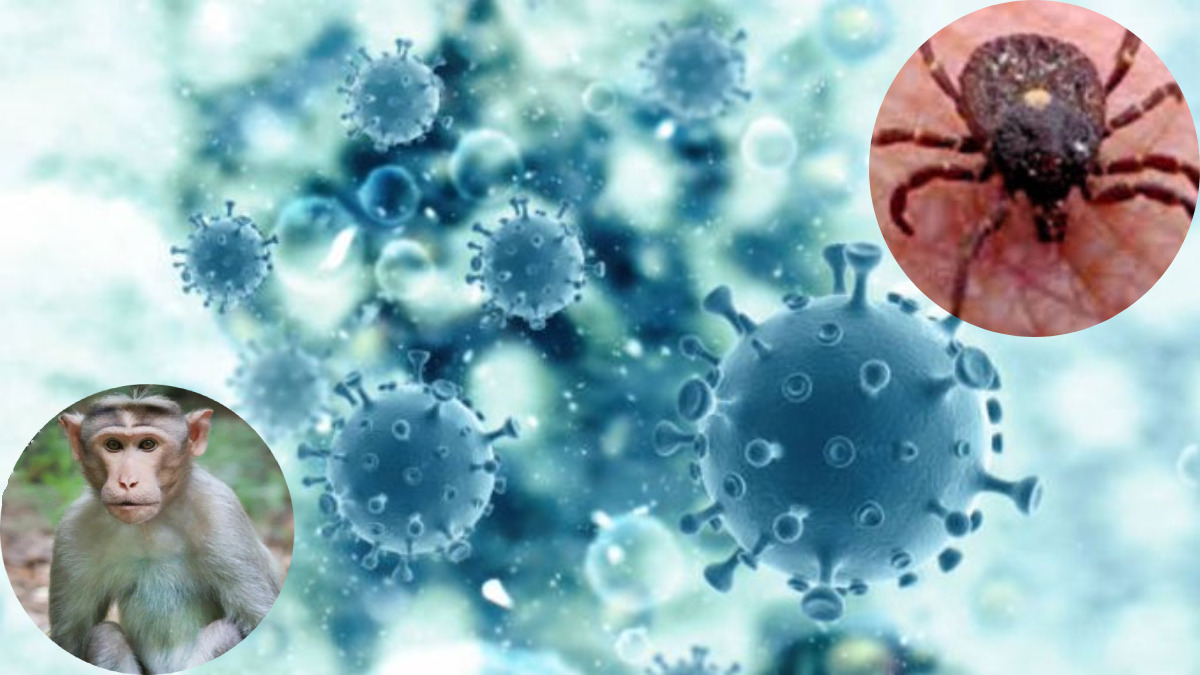
First recognized from the Kyasanur Forest of Karnataka in 1957, KFD is a tick-borne viral haemorrhagic fever caused by a virus within the Flaviviridae family. It primarily affects monkeys and humans, both regarded as "accidental hosts." How It Spreads. Vector: The disease is transmitted to humans by the bite of infected hard ticks (Haemaphysalis spinigera), which live best in forested habitats.
- Animal-to-Human: Virus may also spread from an infected, sick or recently deceased monkey.
- No Human-to-Human Spread: Unlike COVID-19 or the flu, KFD doesn’t spread from person to person.
Recognizing the Symptoms
KFD incubation Time is usually between 3 and 8 days after a tick bite. The disease commonly presents in two phases:
Phase 1: Acute Symptoms
Onset of rapid high fever and chills. Severe frontal headache and pain (myalgia) in the muscles. Nausea, vomiting and gastrointestinal symptoms. Haemorrhagic Symptoms: Bleeding in the nose, gums, or throat may develop 3 to 4 days after fever starts.

Phase 2: Neurological Consequences (in 10 to 20% of cases)
After a few weeks of convalescence (1 to 2 weeks), a second wave of symptoms appears in some patients:
- Mental disorientation and tremor.
- Severe persistent headaches.
- Vision impairment and sensitivity to light (photophobia).
Who is at Risk?
The risk is highest among people living in or visiting the forest-fringe villages of the Western Ghats. Occupational Risk: Farmers, cattle herders and forest guards looking into the wooded areas are the most at-risk.
- Seasonality: Cases occur most heavily during the months that tick activity is most present, such as January to June.
- Vaccination Gap: There is lack of vaccine available because a new generation of more effective vaccines are still in the final stages of development under the ICMR, health officials noted.
Prevention and Safety Tips
Prevention and Safety As there is no current antiviral treatment for KFD the cure is prevention:
- Pour DEPA oil or other tick repellents on your exposed skin before entering forested areas.
- So wear long-sleeved shirts for protection and slip trousers into socks to prevent ticks from crawling up the shirt.
- After a Forest: Never leave the forests and examine your body for ticks.
- Report monkey deaths: If you observe a dead monkey nearby, do not touch it. Inform the local forest or health department at once this is a sure sign of an outbreak.