Sirsi, Karnataka: The farmers in Sirsi and the rest of Uttara Kannada district are facing a lack of seedlings for paddy cultivation during the present monsoon months, and the situation is becoming uncertain in this crucial phase of the kharif cultivation.
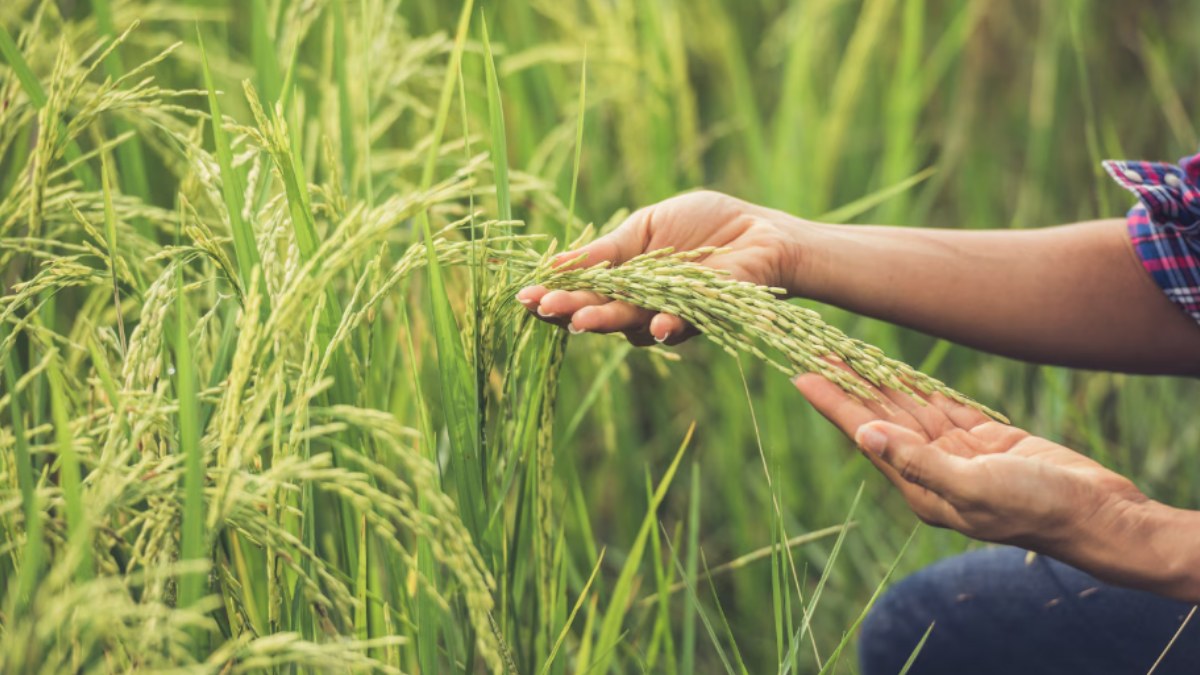
Although the rain in this area has been good and very favourable for paddy cultivation, the lack of seedlings has been the main cause for delay in paddy transplantation, reducing the productivity of paddy farming.
Paddy is one of the principal crops grown in Sirsi, and the southwest monsoon is a key factor for the success of the farming season. The timely arrival of rains had initially made growers hopeful for a productive harvest. But the lack of healthy paddy seeds has made many farmers feel that they may not be able to get to the optimal transplantation window.
Several farmers have reported difficulty in obtaining seedlings from local nurseries and neighbouring villages. The growing demand for seedlings after regular rainfall, along with limited availability, has also pushed up prices in places.
Smaller and marginal farmers are most affected as they are usually dependent on locally available seedlings and have limited financial resources to source them from faraway locations.
Paddy transplanting is critical for healthy crop growth and good yields, agricultural experts say. A significant delay can affect tillering, reduce productivity, and expose crops to additional risks later in the season. So most farmers are making every effort to secure seedlings soon after the ideal planting period ends.
Some cultivators have started sharing seedlings with neighbouring farms or seeking supplies from nearby taluks where availability is comparatively better. Farmer groups and cooperative networks are also exploring how to coordinate the distribution of available seedlings to ensure that the maximum number of cultivators can complete transplantation in time.
Agriculture Department officials are aware of farmers’ concerns and are monitoring the situation closely. They are assessing the availability of seedlings in different areas and coordinating ways to get seedlings to areas experiencing shortages. Farmers are also being advised by extension officers on alternative cultivation practices wherever feasible to minimize their losses.
Agricultural scientists say there are several factors that can contribute to seedling shortages. Erratic weather during the nursery stage, variations in sowing schedules, localized flooding, pest attacks, and higher-than-expected demand are among the reasons that may disrupt the availability of planting material. In years when monsoon rains arrive uniformly across a region, the demand for seedlings often increases simultaneously, placing additional pressure on supplies.
The lack of seed production and nursery management has also highlighted the need to strengthen local seed production and nursery management systems. Experts suggest that promoting community nurseries, encouraging advance planning, and improving access to certified seeds can help reduce similar challenges in future cropping seasons. Better coordination between farmers, cooperatives, and government agencies can also improve the timely distribution of seedlings during periods of high demand.
But farmers are optimistic that they will be able to have sufficient support and good weather in the upcoming weeks to complete transplantation and achieve good yields. Many also hope that the authorities will provide more seedlings and technical guidance to alleviate the shortage and help a lot of people.
Agriculture is the backbone of the rural economy of Uttara Kannada, with paddy farming supporting thousands of farming families. A successful kharif season not only ensures food production but also sustains livelihoods, local markets, and related agricultural activities across the district.
Scientists also stress the need for climate-resilient agricultural practices. As climate change becomes more common, more investment in improved seed varieties, efficient nursery management, water conservation, and modern farming practices will be necessary to enhance agricultural resilience.
For now, Sirsi farmers are balancing optimism with concern. Despite abundant monsoon rainfall creating good working conditions in the field, the lack of paddy seedlings is a pressing issue that requires timely intervention.
With coordinated efforts from the government, agricultural institutions, and farming communities, stakeholders hope the current challenge can be addressed quickly, allowing cultivators to make the most of the ongoing monsoon season and safeguard this year's paddy crop.