The high cost of essential commodities is once again causing a blow to households throughout Karnataka as rice prices have soared. For the fourth time in four months, the price of some popular rice varieties has risen rapidly, and it is putting more pressure on middle-class and lower-income people already struggling with inflation.
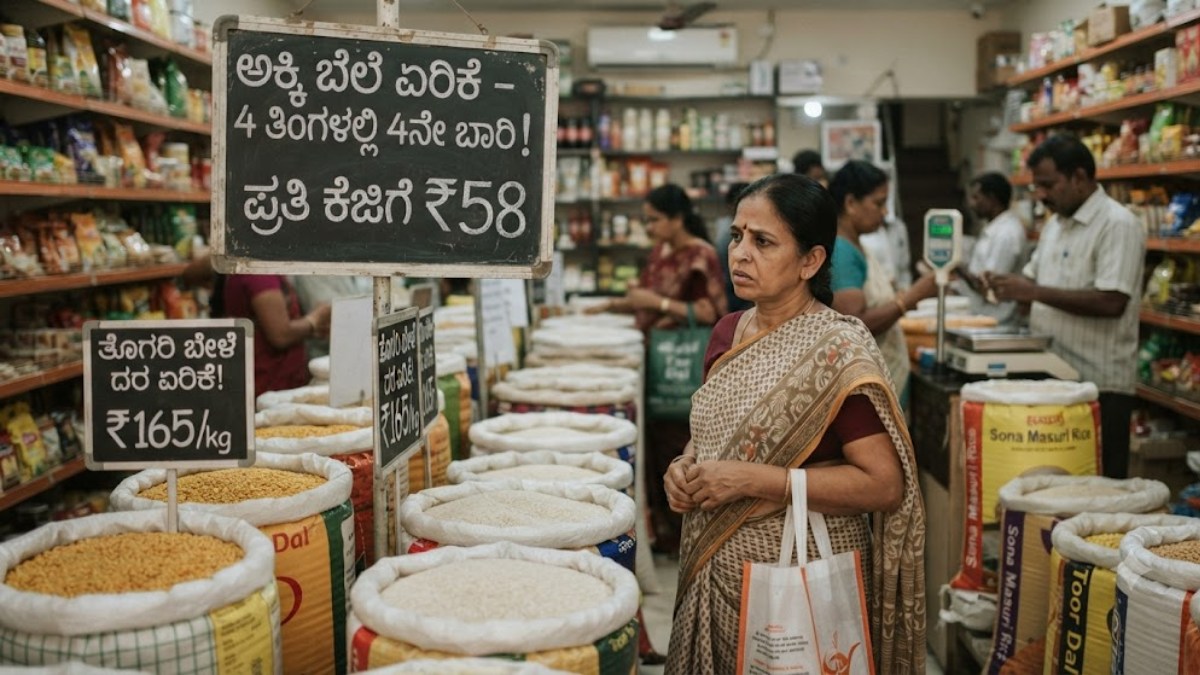
This increase is largely due to poor rainfall and a sharp decline in paddy production in the state. Farmers in other regions have been left with little water because reservoir levels are low. This has led to paddy cultivation being limited and the market coming to a standstill. So the flow of rice to wholesale markets and APMC yards has been reduced considerably.
Policymakers say the supply and demand gap has widened in recent weeks, pushing prices up. Rice, which is the staple food for millions of people in Karnataka, is now very expensive with retail prices of rice increasing by ₹5 to ₹10 per kilogram as a whole on average. The prices of regular and premium rice are much higher now.
Sona Masoori is one of the most commonly consumed types. The rice variety, which was available at around ₹70-75 per kg, is now priced between ₹83 and ₹88 per kg. The increase is affecting the households living with Sona Masoori as their basic cooking rice.
Premium rice has also increased in recent years and is now priced higher. Basmati rice, which is also preferred in biryani and special food, has increased from around ₹105 per kilogram to nearly ₹120 per kilogram. Jeera rice, which is also a popular variety with a good smell and quality, has also increased from about ₹115 per kilogram to ₹125 per kilogram.
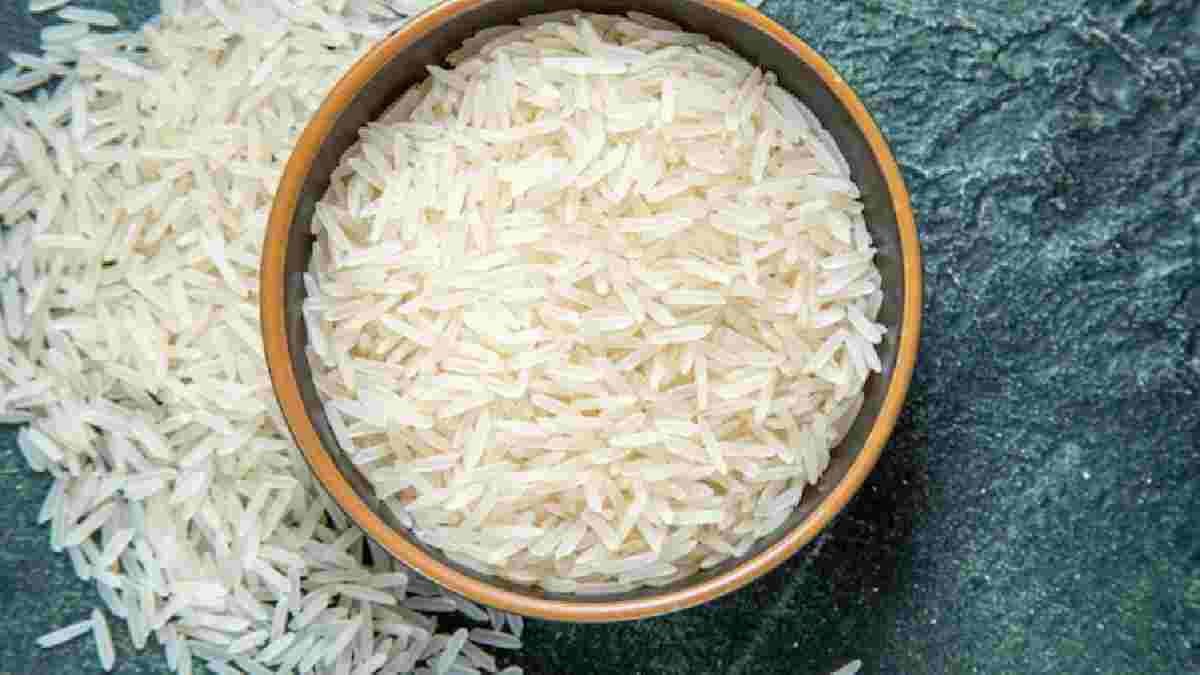
The sharpest increase is recorded in Rajamudi rice, a traditional and nutritious variety that has gained popularity among health-conscious consumers. Rajamudi rice has gone up from the price of ₹125 per kg to nearly ₹150 per kg (see Fig.).
And the burden on consumers is aggravated by the high price of toor dal, a key ingredient in daily cooking. Toor dal, which was selling at around ₹110 per kilogram earlier, is now nearly ₹150 per kilogram in many markets. The simultaneous rise in the prices of rice and pulses has significantly increased monthly grocery expenses for families across the state.
Retailers and wholesalers maintain that prices should continue to be high until supply conditions improve considerably. With low paddy arrivals in big markets, as well as weak land delivery rates, crop production, and weather conditions, traders are closely watching the weather and crop situation. Any further deterioration in agricultural output could lead to further increases in food prices in the coming months.
The hospitality sector is also feeling the price surge. Restaurants, hotels, and catering companies based on rice and pulses in particular are paying big input costs. Industry observers warn that extended increases in essential food commodities will result in higher meal prices for consumers.
As Karnataka families navigate the increasing cost of living, the recent spike in rice and dal prices is becoming a major concern. At the same time, both popular food items are becoming more expensive, and families are having to rethink their monthly budgets and cut back on discretionary spending to keep up with household expenses.