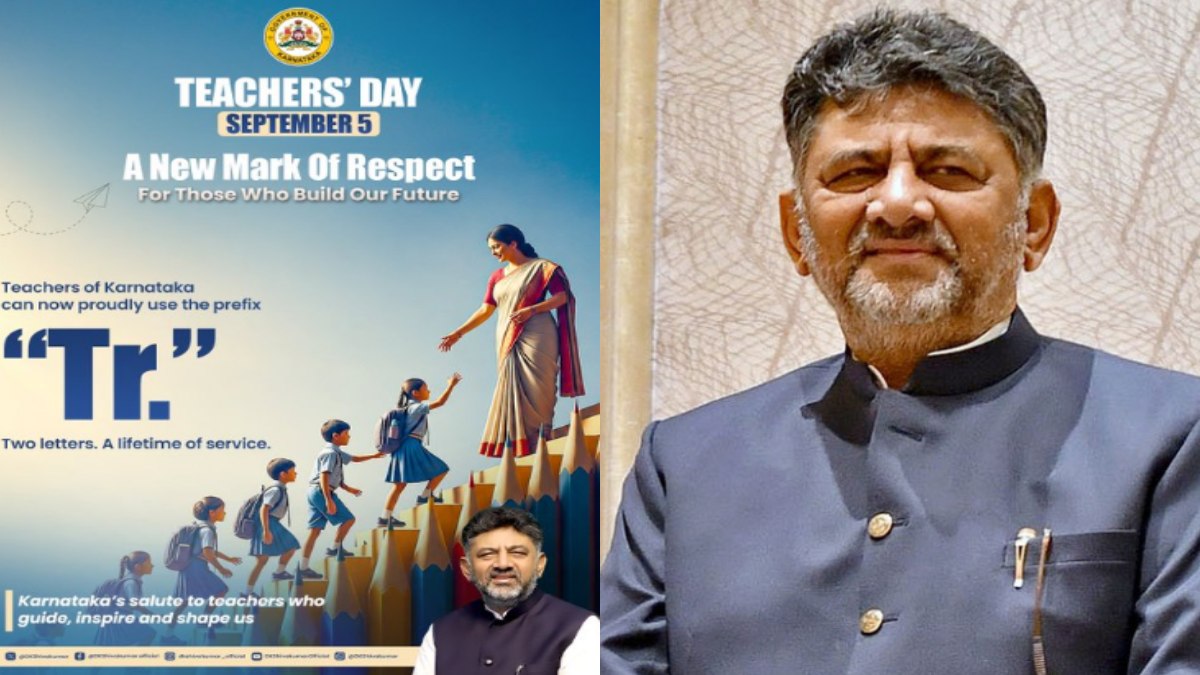
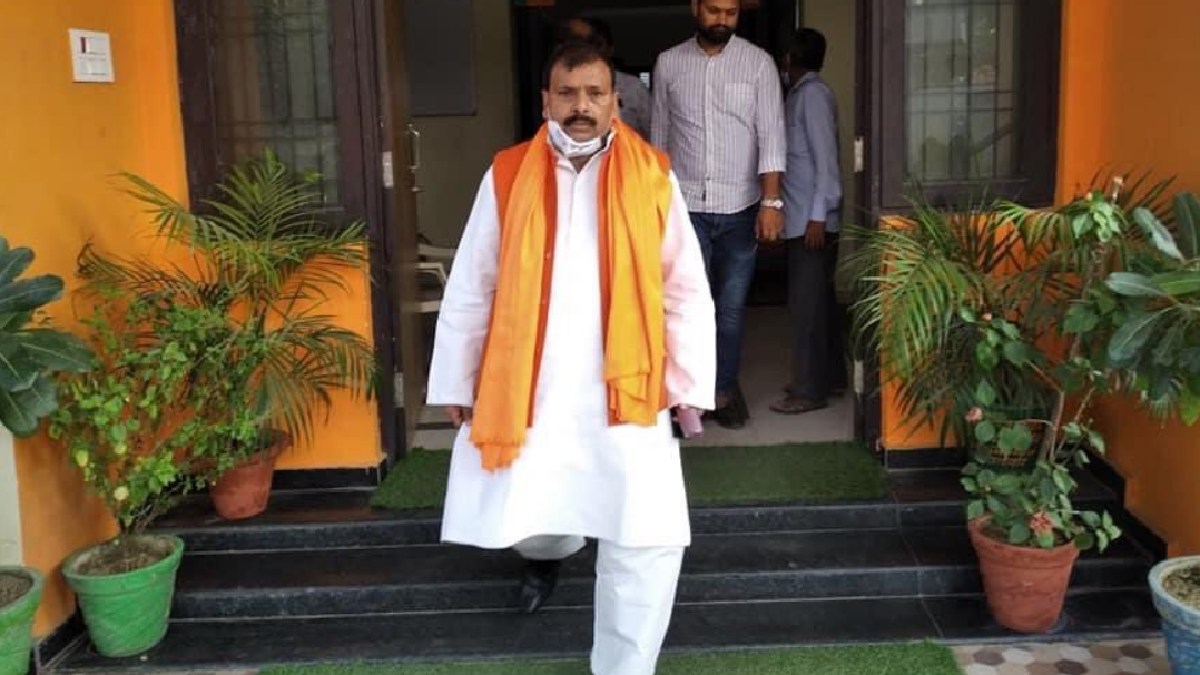
The BJP leader and Karnataka MLC Keshava Prasad has criticised the Congress Party for protesting outside the Prime Minister’s residence, saying elected representatives should use Parliament, not the streets, as the venue for raising political issues and holding the government accountable.
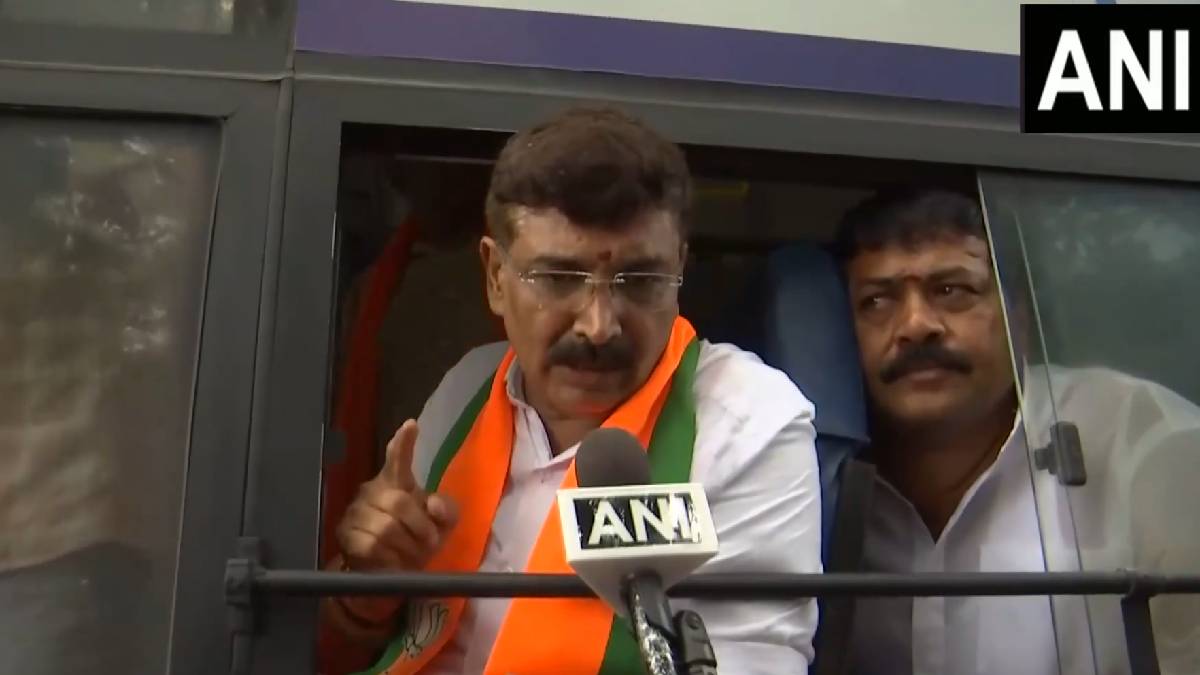
But Prasad said the Congress should not have held demonstrations outside the Prime Minister’s residence and instead participated in parliamentary debates to express its views. Parliament is a constitutional institution, the bedrock of India’s democratic system, and it is the main mechanism through which government and opposition not only represent the people’s interests but also have a forum for debate and decision-making, he said.
#WATCH | Bengaluru, Karnataka: BJP leader and MLC Keshava Prasad says, "... They should not have protested outside the Prime Minister's residence... They should have stood with the nation and the government. Any issue can be discussed in Parliament. When Parliament is in session,… pic.twitter.com/RZuv9L9Ei6
— ANI (@ANI) July 22, 2026
The issue, Prasad said:
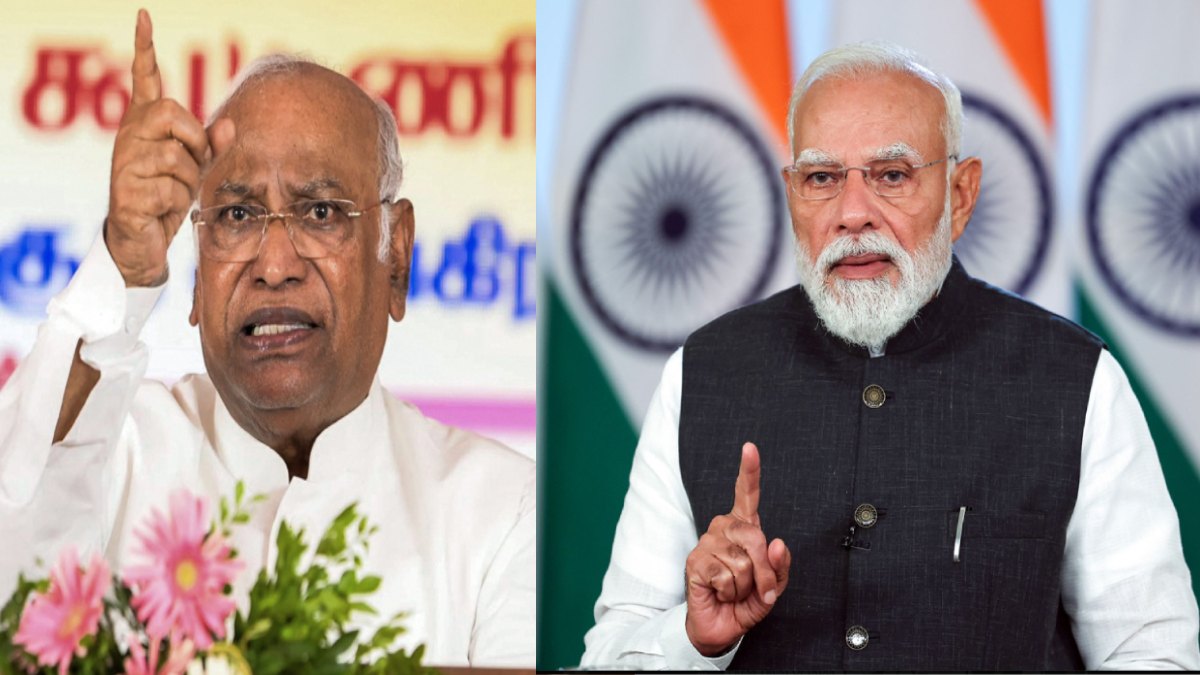
They shouldn't have protested outside the Prime Minister’s residence. They should have stood with the nation and with the government. Any issue can be discussed in Parliament. That is democracy in India, and taking to the streets is against that. We have strong reservations, and we don’t agree with the Congress Party and Rahul Gandhi.
The BJP leader argued that when Parliament is in session, political parties should prioritise legislative debate over public demonstrations. Members of Parliament have multiple opportunities to raise questions, seek clarification from ministers, engage in discussions and challenge the government’s policies through established parliamentary processes, he said.
Prasad’s comments come after growing political tension between Bharatiya Janata Party (BJP) and Congress over recent protests and opposition campaigns. Parliament in this regard has long been the legitimate mechanism through which political disputes can be resolved and issues of national importance discussed, the ruling party has said.
In Prasad’s view, democratic accountability is enhanced when debates take place in Parliament where issues can be discussed, and responses from the government are made official to the public record of the parliament. He added that protests outside constitutional institutions during parliamentary activity in an active parliamentary session divert attention from meaningful parliamentary engagement.
The Congress, on the other hand, has maintained that peaceful demonstrations are a legitimate democratic right and an important means of drawing attention to issues it feels need urgent public and governmental response. Opposition leaders have argued that protests and parliamentary debate can coexist in a democracy, particularly when they feel that their concerns are not being adequately addressed through legislative processes.
The clash between BJP and Congress is part of a larger political debate on the role of public protest in a parliamentary democracy. The Constitution guarantees the right of citizens to peaceful assembly, but political parties tend to argue and at times disagree on when protests are held (as in Parliament).
Political analysts say that disagreements are all too familiar in parliamentary democracies where debate and peaceful public demonstrations are part of democratic expression. Governments generally encourage discussions within legislative institutions, and opposition parties may campaign on their own behalf and make protests and demonstrations public to galvanise public opinion and also communicate the issues that are at stake.
Prasad also stressed political leaders must work towards constructive dialogue, not confrontation. He said elected representatives have a responsibility to engage in discussions that contribute to policymaking and governance, especially in parliamentary debates when national issues of that nature are being discussed.
His comments have only added fuel to the political debate over how opposition parties respond to dissent. The balance between Parliament and public protest will be a major topic of debate in national politics as we go on in Parliament and will be the question still in the background as Parliament continues its business as usual; it is about the balance between parliamentary action and public protest, and, of course, the people.
The latest comments underscore the sharp differences between the ruling BJP and the opposition Congress on how democratic accountability should be exercised. Both sides are using democratic principles to argue their case, but they differ on whether Parliament alone is only a forum for political debate in a session, or whether public demonstrations are equally valid means to express dissent.
With political activity going on in the country, the discussion around parliamentary functioning, peaceful protest, and democratic participation will still be discussed in the days to come.